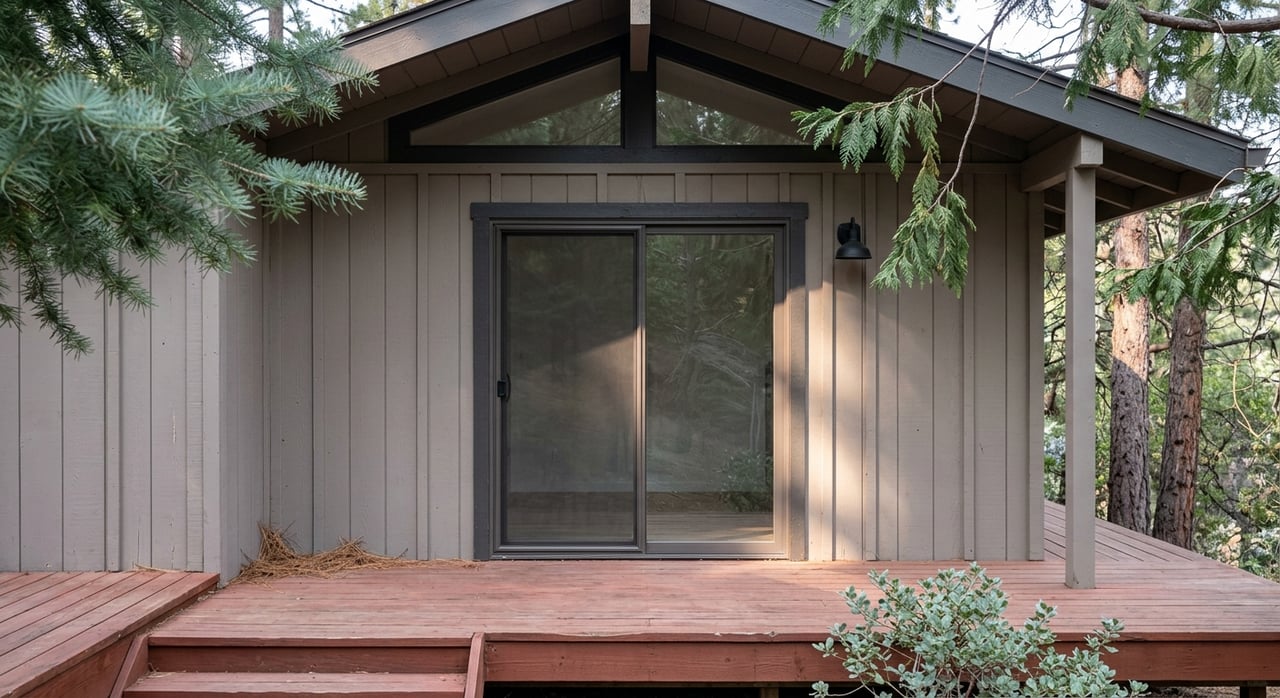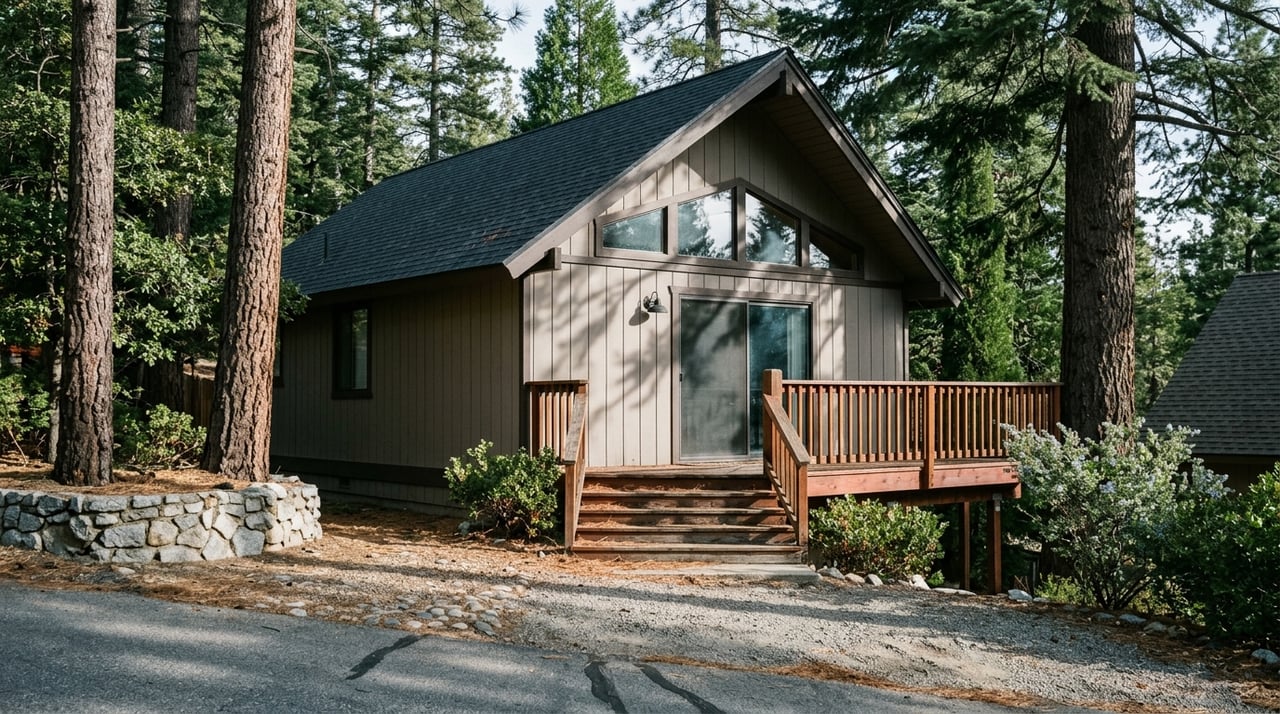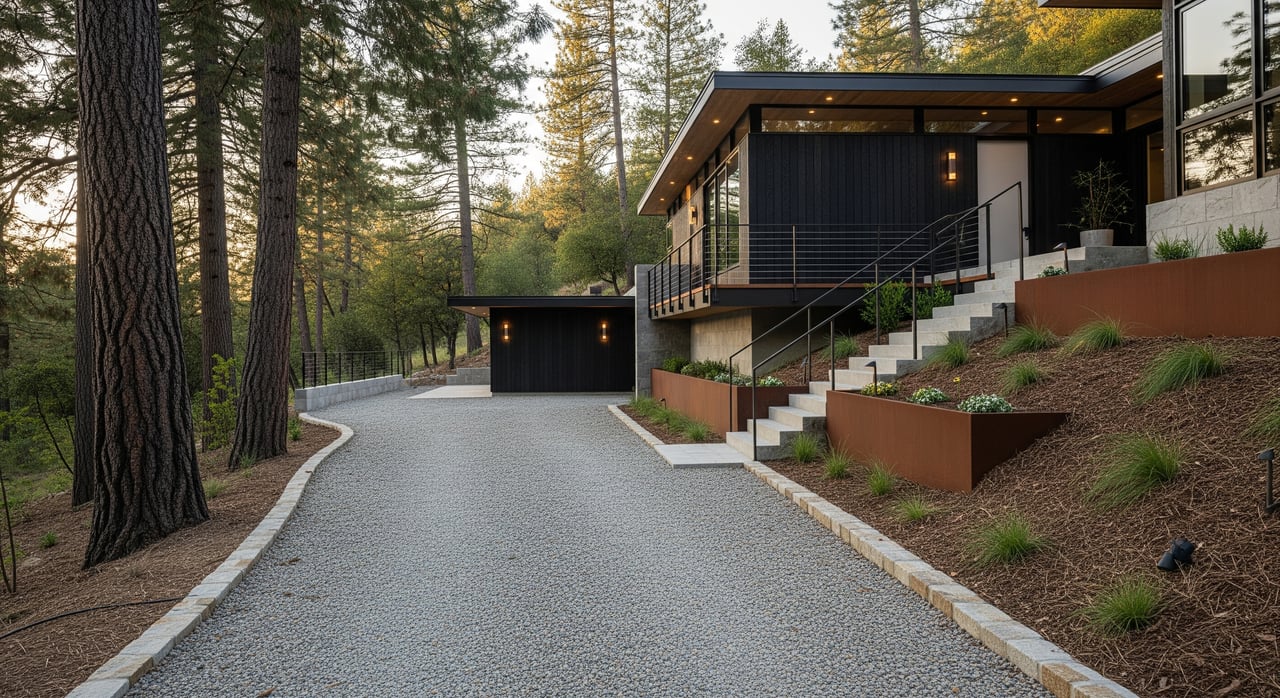
Buying or selling a mountain cabin in Cedarpines Park brings a special question to the front of the line: how easy is it to get in and out year-round? On steep, forested lots, the grade of a driveway or the length of a stair run can shape your daily routine, your winter plan, and even resale value. If you are eyeing a hillside charmer, you deserve clear, local guidance.
In this guide, you’ll learn how to read lot slope and driveway grades, what to expect in winter, how access affects value, and what to check during showings. You’ll also get a practical checklist and the right local contacts to call next. Let’s dive in.
Cedarpines Park terrain basics
Cedarpines Park sits in the San Bernardino Mountains where steep, wooded lots are common. Slopes vary even within the same street, so two neighboring homes can have very different access needs. Elevation and terrain here influence driveway design, drainage, and construction costs.
Seasonal winter storms bring snow and ice. Some winters are lighter, others deliver multi-day accumulations. Storms affect how usable a driveway or stairway feels, especially on shaded or steeper spots. Planning for this reality makes ownership smoother.
Roads serving a property can be public or private, and that matters. State highways are maintained by Caltrans, many local roads are maintained by San Bernardino County Public Works, and some smaller roads are private and owner maintained. Snow plowing on private roads and driveways is typically up to property owners or maintenance associations.
Why slope and access matter
Slope changes how you live day to day and what a future buyer will think. Gentle grades are easier to drive and walk. Steeper grades require more maintenance, more caution in winter, and sometimes specialized design. They can limit the vehicles that reach the home and where you can park or turn around.
From a resale lens, safe, maintainable access and on-site parking are widely valued. Homes without those features may face a smaller buyer pool unless offset by strong amenities like privacy or views and well-planned improvements.
How to read driveway grade
Grade is expressed as a percent: grade equals rise over run times 100. If a driveway rises 5 feet over 40 feet horizontally, that’s 12.5 percent.
- Gentle: 0 to 10 percent. Easier for vehicles and walking.
- Moderate: 10 to 20 percent. Often manageable with design solutions.
- Steep: Over 20 percent. More challenging for access and maintenance.
During a showing, do a quick check. Pace out 10 feet along the drive, estimate the vertical change, then compute grade. Also look for abrupt changes, ruts, or spots that might ice up.
Daily driving, parking, and safety
Steeper or narrower driveways can limit what can reach your home. Moving vans, delivery trucks, and trailers may struggle with tight turns or grades. If there is no on-site turnaround, you may end up backing onto a narrow road. That is stressful in winter and can be a safety concern.
Parking also matters. A flat pad near the entry and a safe turnaround add everyday convenience. They help in snow seasons, when you need a place to stage vehicles and clear snow.
Emergency access and fire context
The mountains are a high wildfire-risk area, so emergency access is a must. Fire apparatus access roads are commonly limited to a maximum grade around 15 percent unless specifically engineered and approved. Width, turn radii, and vertical clearance also matter. If a home is served by a private road that does not meet access standards, there may be added defensible space or mitigation requirements.
Before you commit, plan to check with the San Bernardino County Fire Department about driveway and private road expectations for your specific property. Confirm access details with the listing, and ask for any fire or county directives already issued for the parcel.
Stairs and pedestrian access
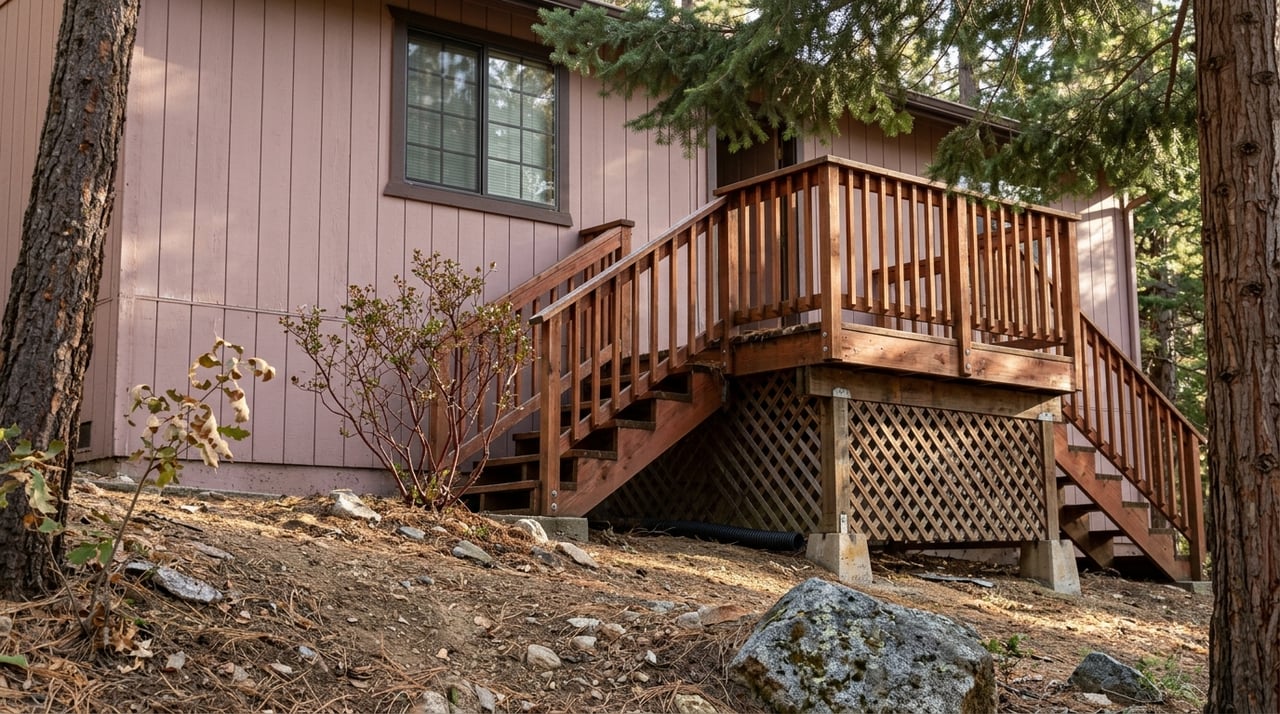
On steep lots, stairs often connect the parking area to the front door. Stairs deserve the same scrutiny as a driveway.
- Safety in winter. Snow and ice on long stair runs increase slip risk. Look for non-slip surfaces and handrails.
- Code basics. Landing sizes, handrails, and uniform treads and risers matter. Permits are commonly required for new or rebuilt exterior stairs.
- Materials and upkeep. Wood can weather faster. Concrete or metal can last longer but may cost more. Consider long-term maintenance and replacement.
- Liveability. Long, exposed stairs reduce daily convenience and can narrow your future buyer pool.
Winter realities in Cedarpines Park
Expect snow and ice at times each winter. Short events are common, and heavier storms can stack up for days. Steep or shaded surfaces freeze first and thaw last. Plan for traction and a place to put snow.
What to consider for winter access:
- Surfaces. Asphalt provides a smooth surface but can be affected by freeze-thaw. Concrete is durable but costly and can crack. Compacted gravel offers initial traction but needs periodic grading. Some owners use permeable pavers in select areas.
- Traction aids. Snow tires or chains, high-traction coatings in key zones, and non-corrosive ice-melt alternatives are common. Heated driveways exist but are rare and costly.
- Snow storage. Think through where the snow will go so you do not block driveways, vents, or septic components, or create runoff problems.
- Services and gear. On private or narrow roads, arrange a plow contractor and clarify response times. Many owners rely on AWD or 4WD vehicles, chains, and a snow blower for steps and short driveways.
Drainage, erosion, and retaining walls
Slope increases runoff speed and erosion risk. A poorly shaped driveway can send water toward foundations or downhill neighbors. Look for swales, gutters, and culverts that guide water away from structures. Confirm where downspouts and driveway runoff discharge.
Retaining walls and hillside foundations often need engineering and permits. On steep lots, you may see piers, grade beams, or substantial walls. Ask for the permit history and any engineering. Unpermitted grading or retaining walls are red flags that can complicate financing, insurance, and resale.
Utilities, septic, and wells
Steep terrain can affect the location and design of septic systems and wells, including setbacks and service access. The County’s Environmental Health team reviews and permits these systems. Confirm the location of septic lids and wellheads, and consider winter access so snow removal does not block service points.
Simple slope checks during showings
Use these quick checks so you leave with the right photos and notes:
- Estimate slope category: gentle, moderate, or steep.
- Measure a 10-foot run and approximate rise to calculate grade.
- Note any abrupt transitions, ruts, or icy/shaded spots.
- Photograph the driveway from street, mid-slope, and top, plus the stair approach.
- Check for a safe on-site turnaround and parking pad.
- Inspect stairs for handrails, landings, tread consistency, and traction.
- Trace drainage: gutters, culverts, swales, and where roof and driveway water go.
- Scan for retaining walls, signs of movement, or unpermitted work.
- Locate septic and well components and consider snow clearance routes.
- Observe nearby trees and ground fuels for defensible space needs.
Driveway and access checklist
Bring this list to every Cedarpines Park showing and mark items to verify later:
- Access road status: public county road, state route, or private road.
- Winter maintenance: who plows the road and the driveway and typical response times.
- Driveway surface, width, grade, and overall condition.
- Turn radius, vertical clearance, and room for deliveries and emergency vehicles.
- On-site turnaround and safe, level parking near the entry.
- Stairs: number of steps, handrails, landing sizes, and materials.
- Drainage features and discharge points.
- Evidence of slope movement, erosion, or ponding.
- Retaining walls: construction quality, condition, and permit status.
- Utility access points and winter serviceability.
Questions to ask sellers and agencies
A few direct questions can save you money and surprises:
- Is the road public or private, and is there a recorded maintenance agreement? May I see it?
- Who plows the road and the driveway in winter, and how quickly after storms?
- Have the fire department or county required any access or defensible space changes for this property?
- Has there been any permitted or unpermitted grading, retaining wall construction, or slope stabilization? Can I review permit history and plans?
- Is there a geotechnical or soils report for the lot or structure? Has slope stability been evaluated?
- Any insurance claims, drainage disputes, or landslide incidents tied to the parcel?
- Can garbage trucks, delivery vans, and moving trucks reach the home? If not, how are pickups handled?
- Where are septic and well components, and are there Environmental Health notes or restrictions?
- Are there HOA or road association rules for exterior changes or road maintenance?
Documents and records to request
Ask for copies early in the process so you can make a confident offer:
- Parcel map and recorded easements.
- Road or private maintenance agreements and any HOA bylaws or CC&Rs.
- County permit history, including grading, retaining walls, and stair or driveway work.
- Geotechnical reports and any slope or drainage engineering.
- Septic and well records from Environmental Health.
- Recent insurance claim history related to access, drainage, or slope issues.
When a steeper lot can still work
A steeper lot can offer big-tree privacy and ridge views. The key is thoughtful design and documentation. A well-shaped driveway, secure handrails and landings, clear drainage paths, and a recorded road maintenance plan go a long way. For many buyers, a practical winter setup and a safe parking pad near the entry offset the slope.
If you plan improvements, expect permits for grading, retaining walls above certain heights, or new exterior stairs. On some roads and driveways, engineered solutions may be required to align with fire access standards. Build those expectations into your budget and timeline.
Work with a local guide
Cedarpines Park is a special market where local knowledge makes a real difference. A clear plan for access, winter care, drainage, and documentation helps you protect value and enjoy the mountains without stress. If you are weighing two similar cabins, the one with safer, maintainable access often wins.
If you want a second set of eyes on slope, access, and winter-readiness, our team is here to help you compare options and request the right records.
Ready to talk through a specific property? Reach out to Rosemarie Labadie for calm, local guidance from offer to close.
FAQs
What driveway grade is practical for Cedarpines Park cabins?
- Many buyers find up to about 10 percent comfortable, 10 to 20 percent manageable with good design, and steeper than 20 percent increasingly challenging for daily use and winter access.
How do winter storms affect driveway and stair safety in Cedarpines Park?
- Snow and ice reduce traction, especially on steep or shaded surfaces; plan for non-slip treatments, timely snow removal, and safe storage areas for plowed snow.
Who handles plowing on private roads and driveways near Crestline?
- Property owners or road associations typically arrange private plowing; county plows service county roads, and state highways are maintained by Caltrans.
What should I check during a showing on a hillside lot?
- Measure an approximate grade, look for a turnaround and level parking, inspect stairs and handrails, verify drainage paths, photograph retaining walls, and confirm road status.
Can steep access affect insurance or permits in San Bernardino County?
- Yes, emergency access standards and wildfire context can influence requirements and insurability; confirm expectations with the fire department and county early.
Do retaining walls and exterior stairs require permits in this area?
- Retaining walls above certain heights and most new exterior stair work generally require permits and may need engineered plans; ask for permit history and drawings.