Thinking about a mountain rental that actually works year round? Rimforest can be a smart play if you plan for the seasons, the terrain, and the county rules that come with an unincorporated community. Whether you aim for weekend guests or a stable year lease, you want clear steps, realistic numbers, and a plan for wildfire and winter. This guide walks you through property types, demand patterns, rules, insurance, maintenance, and how a local manager can simplify it all. Let’s dive in.
Why Rimforest draws renters
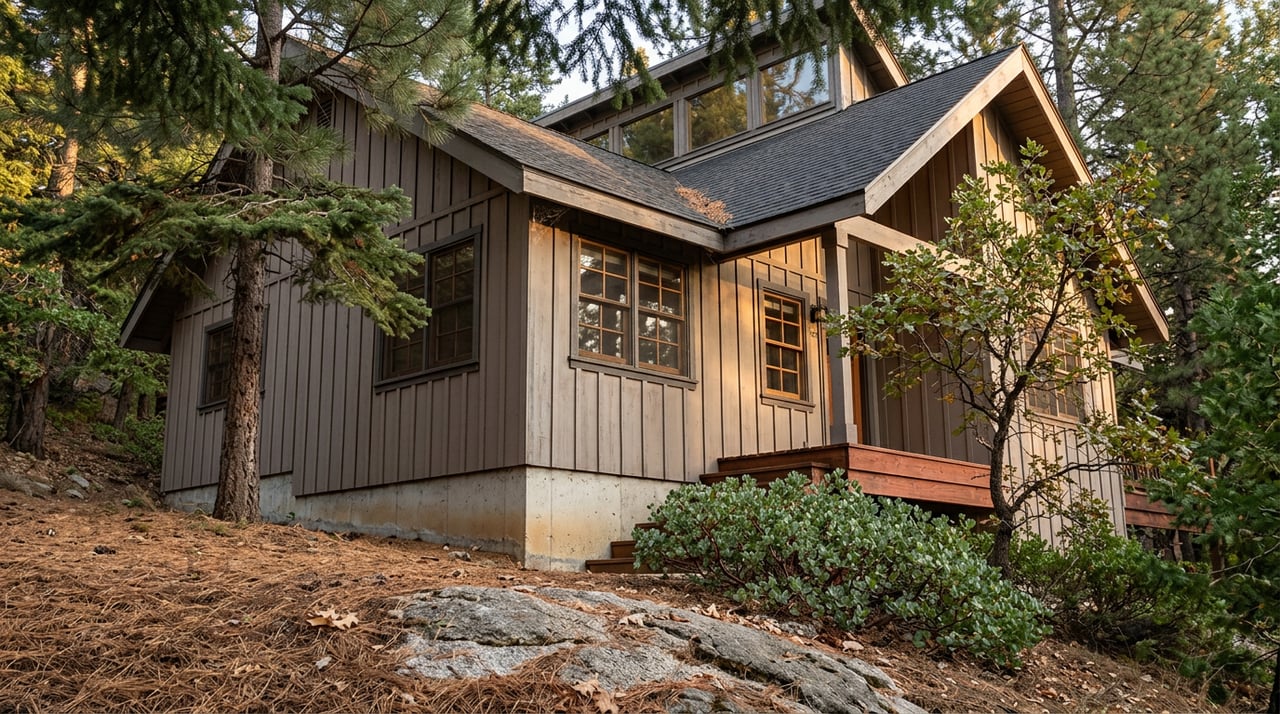
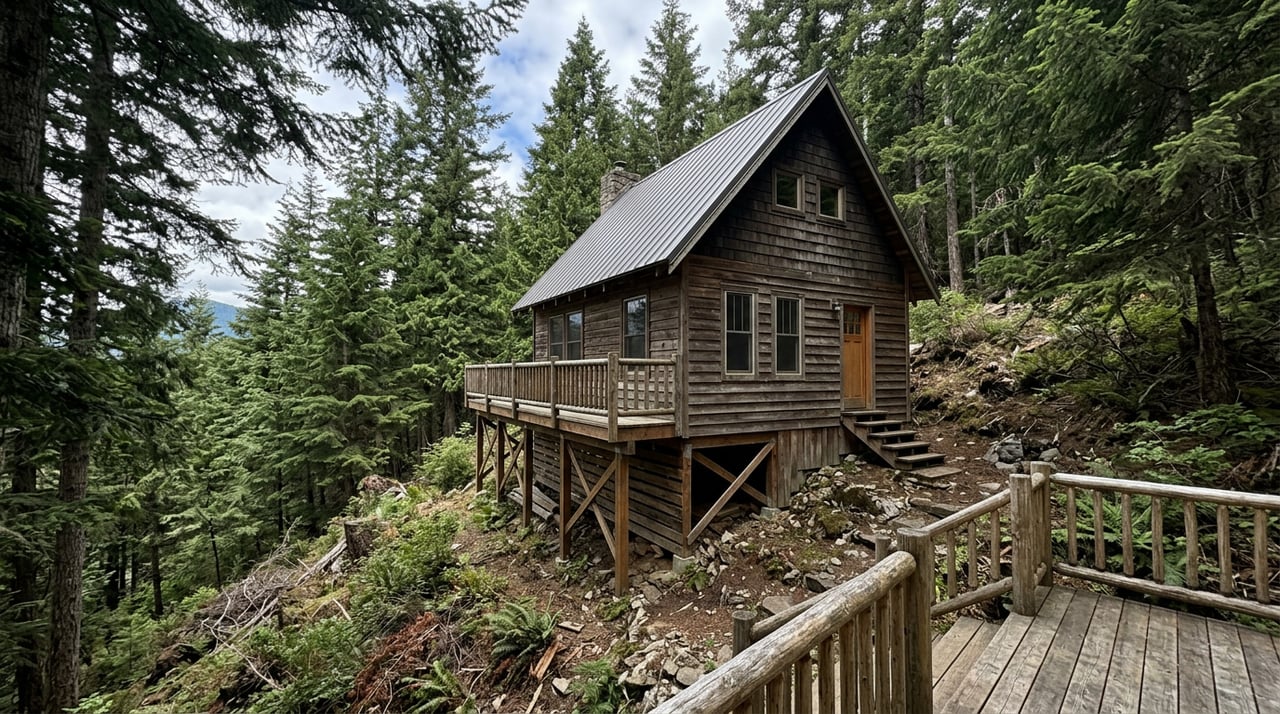
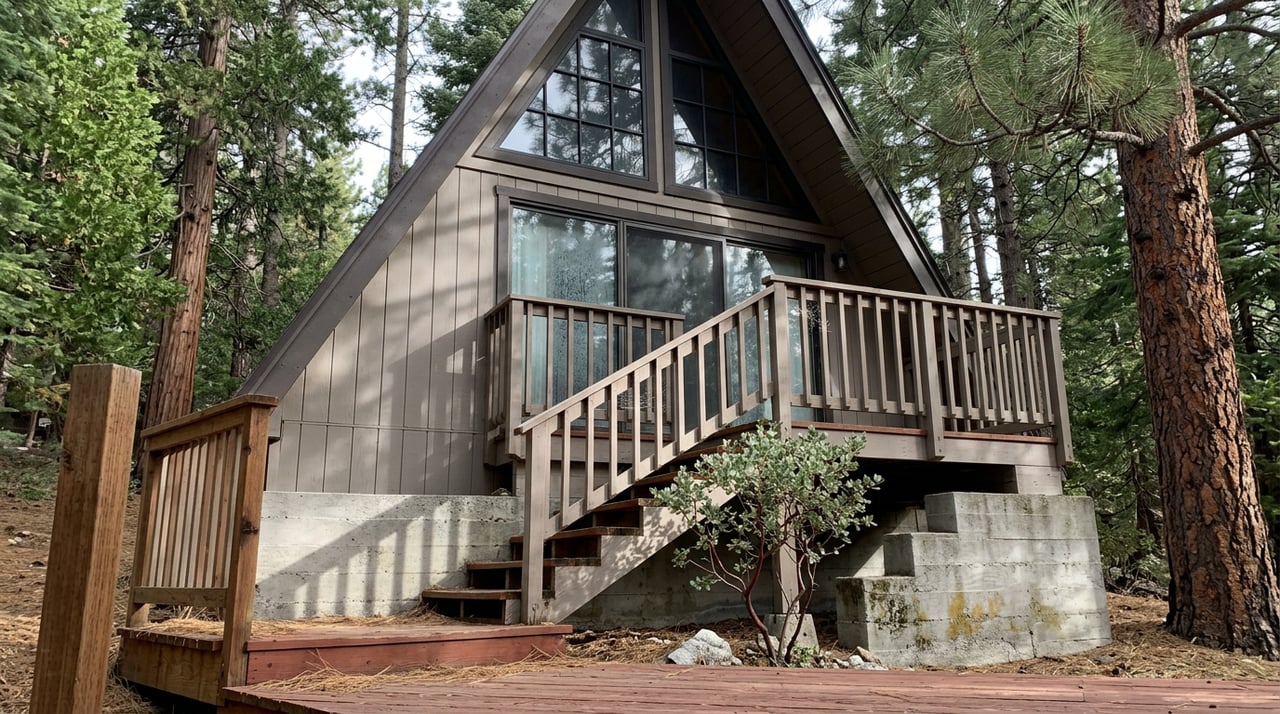
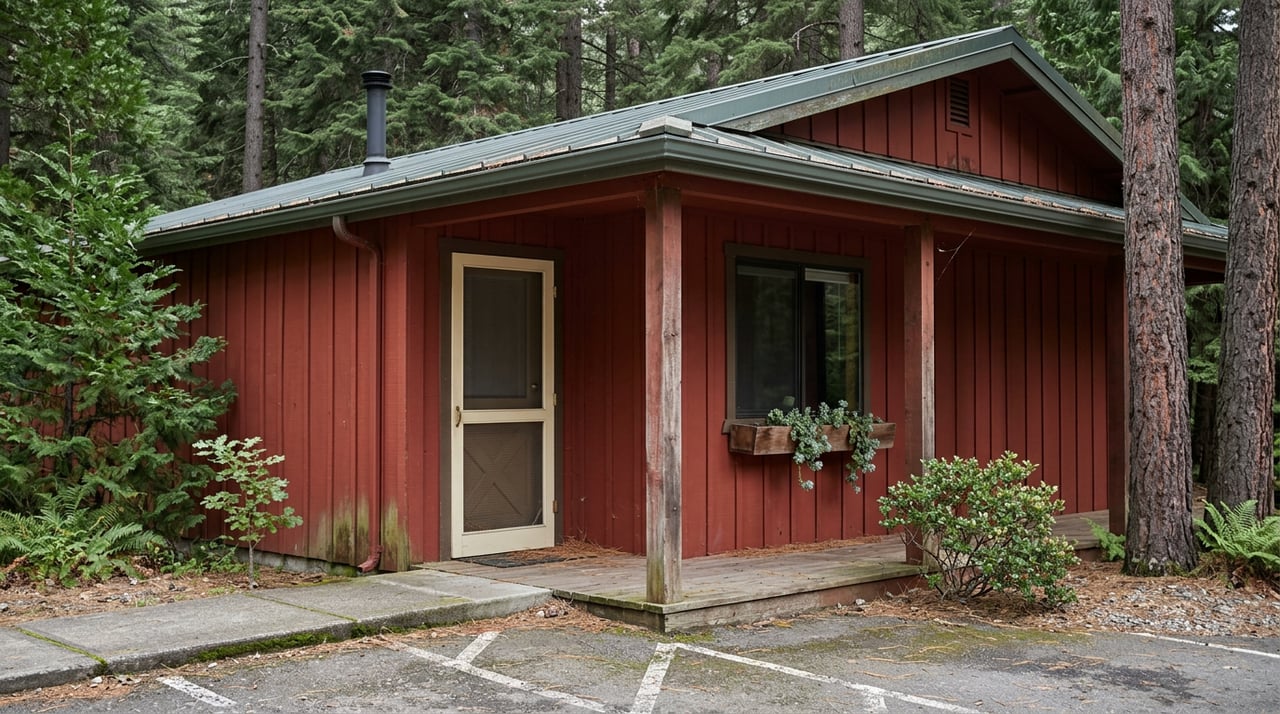
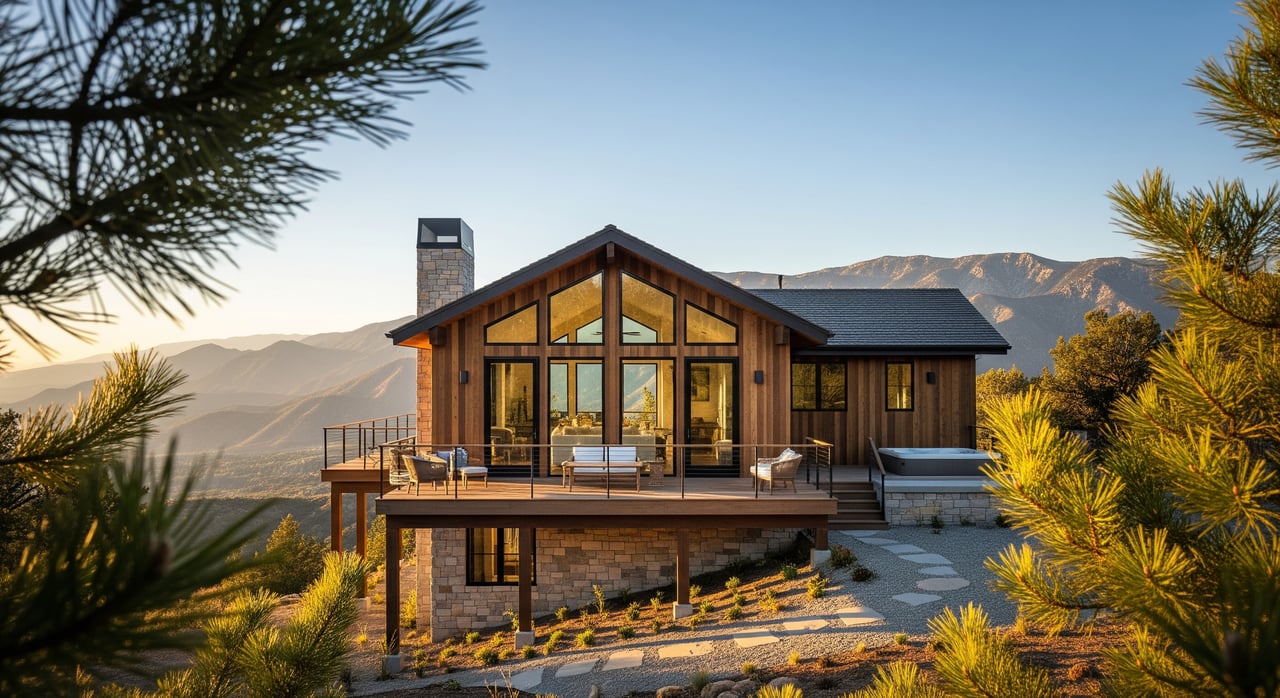
Rimforest is an unincorporated mountain community in San Bernardino County near Running Springs and Lake Arrowhead. Most homes sit on forested lots at higher elevation with a classic cabin look. You will see many single family cabins and wood frame mountain houses from mid century builds to recent remodels.
As an unincorporated area, services and permits run through San Bernardino County. That includes short term rental rules, business licensing, and transient occupancy tax collection. Knowing which county office handles what will save you time and prevent costly missteps.
Property types to target
Single family cabins dominate
The most common investment properties are 1 to 3 bedroom cabins and mountain homes. Many are wood sided, with floor plans suited to families and small groups. You will find charm, but also age. Older roofs, chimneys, wood stoves, and decks often need attention before you rent.
Utilities and access checks
Do not assume city style utilities. Some homes use septic systems, private wells, propane heat, and wood stoves. Verify every system during due diligence. Check driveway slope, parking, and whether your road is county maintained or private, because that affects winter access and snow removal.
Seasonality and demand patterns
Peak winter and summer
Demand spikes in winter holidays and ski season, then again in the summer vacation months. Spring and fall can be steady on weekends with more moderate midweek demand. Weather and snowfall influence winter bookings.
Weekends outpace weekdays
Weekend and holiday stays typically carry occupancy, while midweek is lighter unless you target remote workers. Listings that advertise reliable Wi Fi and a workable desk area can smooth weekday gaps.
Setting realistic revenue
Short term rental modeling
Short term occupancy in mountain markets varies widely by listing quality, pricing, season, and competition. Use STR market intelligence tools to build property level comps and monthly seasonality curves. Model Average Daily Rate by month alongside occupancy and include platform fees, cleaning, management fees, and Transient Occupancy Tax. Build conservative, base, and optimistic scenarios.
Long term lease expectations
Once leased, long term rentals often maintain high annual occupancy if turnover stays low. Monthly rents reflect local wage levels and the age and condition of the home. California’s tenant protection laws shape rent increases and eviction procedures, so factor compliance into your plan.
Rules, permits, and taxes
Short term rental rules
In unincorporated San Bernardino County, STRs require county registration or a permit, plus TOT collection and remittance. Expect occupancy and parking limits, along with neighbor standards. Some booking platforms may help collect taxes in certain areas, but you should verify current rules and your responsibilities with the county.
Landlord tenant basics in California
California’s statewide tenant protections cover many residential rentals and guide rent increases and just cause standards. Some property types are exempt, and interpretations change, so a professional legal review is wise. Health, safety, and habitability standards apply to every rental and include working smoke and carbon monoxide detectors and safe systems.
Fire and environmental requirements
Mountain homes fall under fire prevention and defensible space rules. Plan for vegetation management and safe clearances around structures. If the property uses a septic system or private well, county health permits and inspections govern repairs and upgrades.
Insurance for mountain rentals
Wildfire risk affects both availability and cost of insurance in Rimforest and nearby communities. Many standard policies do not cover STR activity without an endorsement. You will want landlord property coverage for the dwelling and contents, plus liability coverage sized to your use. Insurers may require defensible space, ember resistant vents, or other mitigation to bind or maintain coverage.
Operating and maintenance realities
Annual and seasonal tasks
Budget time and money for routine care:
- Roof and gutter inspections in spring and fall
- Chimney and wood stove inspection before winter
- Septic pumping and inspection on a county guided cycle
- Defensible space trimming at least yearly
- HVAC service and filter changes before heavy use seasons
- Snow removal planning, winterization of plumbing if vacant, and post storm checks for roof and drainage
For STRs, plan for consistent turnover cleaning, laundry, restocking, and quick fixes after guests.
Budgeting rules of thumb
- Property management: short term rentals often run about 20 to 30 percent of rental revenue, while long term management is commonly 6 to 12 percent of monthly rent.
- Maintenance reserves: many investors set aside about 1 percent of property value per year or 5 to 10 percent of gross rental income for upkeep. Older cabins and homes with septic or wells may require more.
- Cleaning and supplies: estimate per turnover for STRs to keep your cash flow honest.
Guest experience essentials
Practical amenities that matter
Guests choose mountain cabins for comfort and simplicity. Focus on reliable heat, hot water, a functional kitchen, comfortable bedding, and dependable Wi Fi if you market to remote workers. Provide clear parking and snow instructions.
Safety and clear instructions
Stock a visible evacuation plan, fire extinguisher, first aid kit, and working smoke and CO alarms. If you have a wood stove or propane system, give step by step instructions and safety notes. Clear house rules reduce wear and improve reviews.
Due diligence checklist
Use this list before you make an offer:
- Title and access: confirm legal road access, any easements, and whether the road is county maintained or private.
- Utilities and systems: verify sewer versus septic, well versus municipal water, propane or gas systems, heating, and electrical capacity.
- Insurance: get quotes early and confirm STR coverage and wildfire requirements.
- Permits and HOA: review any HOA CC&Rs for rental restrictions and confirm county STR permitting and TOT registration steps.
- Environmental and safety: check fire hazard designations and any mitigation obligations. Review flood, landslide, or slope stability if relevant to the lot.
- Physical inspection: order a full home inspection with extra focus on roof, foundation, pest, chimney, and septic or well.
- Market comps: analyze STR ADR and occupancy trends on comparable listings and check long term rental comps.
- Local capacity: confirm availability of contractors, snow removal, and experienced property managers before peak season.
Key risk factors
- Wildfire exposure and evolving insurance availability and costs
- Winter access challenges, steep driveways, and storm related closures
- STR market saturation and possible regulatory changes
- Higher maintenance on older cabins and off grid style systems
- Tourism variability across seasons and economic cycles
Financing considerations
Lenders may view mountain and investor properties differently. Expect the possibility of higher down payments or different appraisal rules compared with standard suburban homes. Ask your lender about how STR income is underwritten and what documentation they will require. Build a rate and terms cushion into your return model.
How local property management helps
What a good manager does
Local managers market and optimize listings, handle guest communications, and manage dynamic pricing around seasonality and events. They coordinate turnover cleaning, preventive maintenance, and emergency calls. They also support compliance by helping with permits, TOT registration and remittance, and neighbor relations. Expect regular financial reporting so you can track performance.
Choosing the right manager
Look for a manager with proven experience in San Bernardino mountain communities and a strong vendor network for snow removal, vegetation management, septic and well service, and urgent repairs. Ask for a transparent fee structure, sample owner reports, and references from similar cabin owners. Make sure they know county STR rules and have navigated compliance audits.
Typical management fees
Full service STR management commonly ranges around 20 to 30 percent of rental revenue. Long term management fees are typically about 6 to 12 percent of monthly rent. Confirm what is included, such as cleaning coordination, supplies, linens, and minor repairs.
Your next steps in Rimforest
- Pull short term rental comps for Rimforest and nearby communities to build monthly ADR and occupancy curves for the last 12 to 24 months.
- Contact San Bernardino County for current STR permit steps and TOT requirements, then estimate compliance costs and timelines.
- Get insurance quotes early, including STR endorsements and wildfire mitigation conditions.
- Line up a local property manager to review your plan and ensure contractor coverage for winter and peak seasons.
- Complete a full inspection that includes septic and well testing if applicable before you finalize the deal.
If you want a steady, local partner who understands mountain homes and the county process, we are here to help. Our boutique team manages both sales and rentals with hands on care and deep neighborhood knowledge. Reach out to Rosemarie Labadie to schedule a free home consultation and map your Rimforest rental strategy.
FAQs
What types of rentals perform best in Rimforest?
- Well maintained single family cabins with 1 to 3 bedrooms perform reliably, with STR demand peaking on winter and summer weekends and long term leases appealing to local workers and remote professionals.
How does San Bernardino County regulate STRs in Rimforest?
- STRs in unincorporated areas generally require county registration or a permit, adherence to occupancy and parking limits, and collection and remittance of Transient Occupancy Tax, so verify current steps with the county before listing.
What insurance do I need for a Rimforest STR?
- Plan for landlord property coverage for the dwelling and contents plus liability coverage that explicitly allows short term rental activity, and expect wildfire mitigation requirements to secure or maintain a policy.
How should I budget maintenance for a mountain cabin?
- Many investors reserve about 1 percent of property value annually or 5 to 10 percent of gross rent, with extra set aside for older cabins, septic or well systems, chimney service, and winter related costs like snow removal.
Do lenders treat mountain investor homes differently?
- They can, and may require higher down payments or different appraisal rules, so ask your lender how they underwrite STR income and verify documentation needs early in your process.
What are typical property management fees in Rimforest?
- Short term rentals often run about 20 to 30 percent of rental revenue for full service management, while long term property management commonly ranges from about 6 to 12 percent of monthly rent.