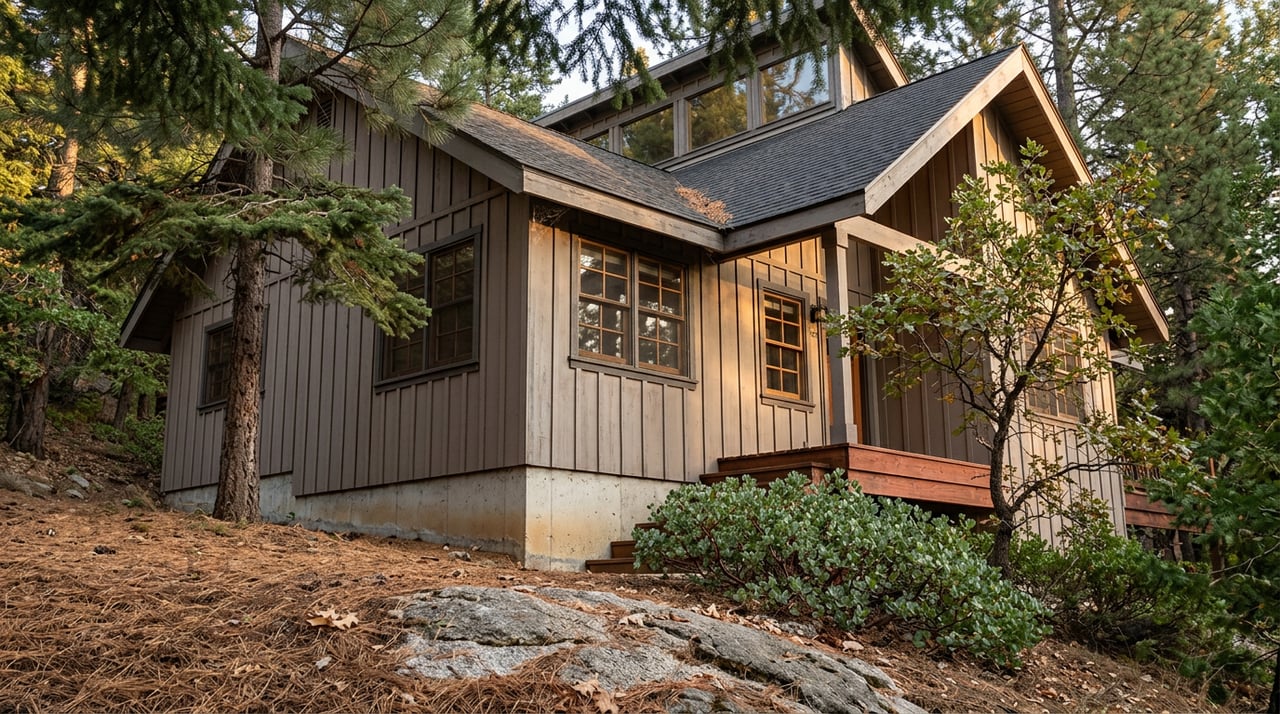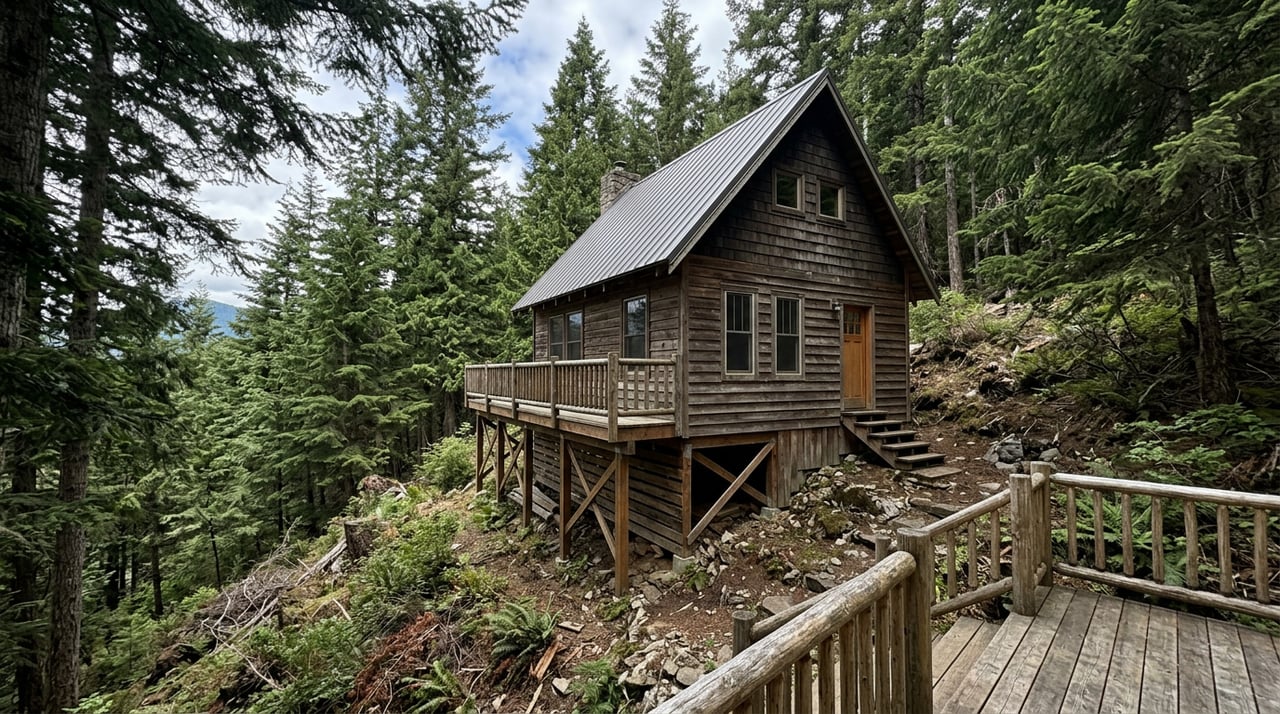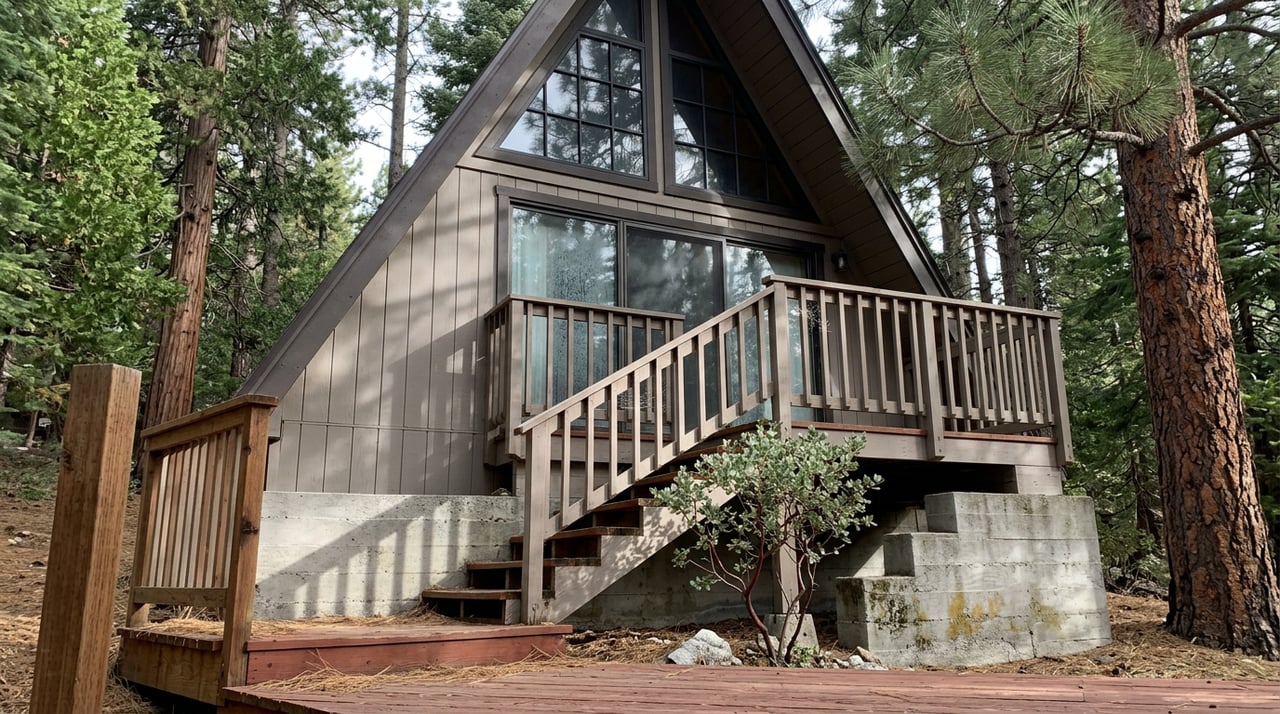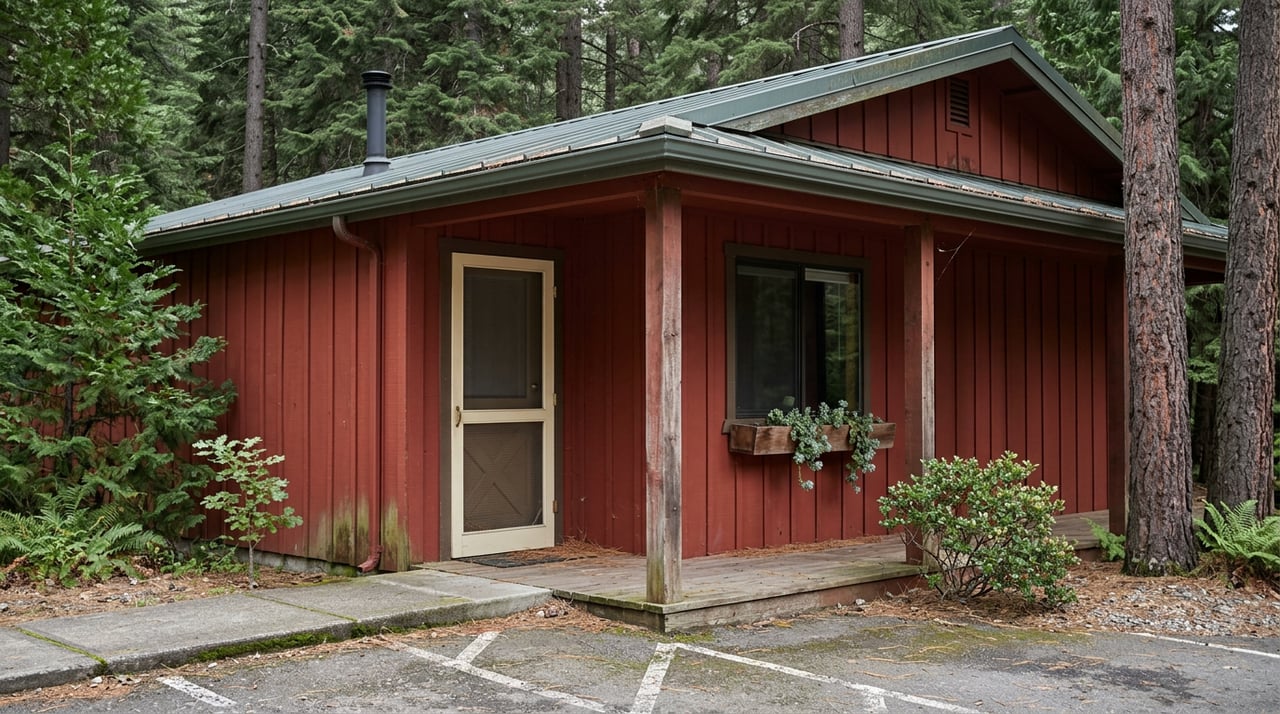
Thinking about selling your Crestline cabin or mountain home in the next year? The smartest move you can make is to get ahead of the issues that slow deals down. In our market, buyers and lenders pay close attention to wildfire readiness, decks on slopes, septic systems, roofs, and access. A little preparation now can mean stronger offers and a cleaner escrow later.
This guide walks you through the most important pre-listing checks for Crestline and nearby San Bernardino Mountain communities. You will learn which inspections to order, how to prioritize repairs, and what documents to assemble so buyers feel confident. Let’s dive in.
Why pre-listing checks matter here
Crestline homes sit in a wildland-urban interface with mountain weather, sloped lots, and older structures. That mix shapes buyer questions and lender requirements.
- Wildfire readiness: Defensible space, ember-resistant details, and Class A roofing are top of mind. Many buyers ask about fire hazard designations and insurability.
- Roofs and weather: Snow, rain, and freeze-thaw cycles can stress roofing, flashing, gutters, and attic ventilation. Inspectors look closely at these systems.
- Decks and elevated structures: Decks attached to homes on slopes are common. Ledger connections, flashing, fasteners, and railings are frequent red flags.
- Septic and wells: Many properties use private septic systems and sometimes wells. Pumping history, permits, performance, and water quality can make or break a deal.
- Access and roads: Steep driveways, narrow roads, seasonal snow, and maintenance responsibilities affect safety, insurance, and buyer confidence.
- Drainage and retaining walls: Erosion, slope stability, and retaining wall integrity are common concerns on hillside lots.
- Documentation and permits: Buyers and lenders often verify permits for remodels, deck work, and additions. Missing permits can delay closing.
- Disclosures: California requires a Transfer Disclosure Statement and Natural Hazard Disclosure. Buyers expect transparency about systems and known conditions.
Your Crestline pre-listing inspection plan
Order these inspections 3 to 8 weeks before listing. If you plan major work, start even earlier so you have time for permits and repairs.
General home inspection
Hire a licensed ASHI or InterNACHI inspector. Expect them to review structure, roof access, attic, foundation, drainage, HVAC, plumbing, electrical, appliances, and visible moisture.
For mountain homes, ask them to focus on attic ventilation and insulation, roof flashing, exterior grading, chimney and fireplace, and signs of slope movement.
Roof inspection
Have a roofing professional assess age, remaining life, flashing, gutters and downspouts, valley condition, fastener corrosion, and visible deck rot. In wildfire areas, Class A fire-rated roofing is a plus that buyers and insurers value.
Deck and exterior elevated structure inspection
A specialist or structural inspector should check the ledger connection, ledger flashing, joist hangers and fasteners, beam and post condition, and railing safety. Unpermitted deck work or a compromised ledger is a common negotiation trigger.
Wood-destroying organism inspection
A termite or WDO inspection is routine in California and often required by lenders. Treat active infestations and repair damage before you list when possible.
Septic system inspection
If you are on septic, verify the last pump date and schedule an inspection. Inspectors check effluent levels, distribution boxes or leach fields, and look for evidence of backups or failure. Gather your septic permit and pump receipts. San Bernardino County Environmental Health maintains septic records and compliance requirements.
Well and water quality
If you have a private well, test water for bacteriological concerns such as coliform and E. coli, and for nitrate. Have the pump and any storage tank checked. Provide buyers with test results and service receipts.
Electrical panel and service
A licensed electrician can verify panel condition, note any aluminum branch wiring in older homes, confirm GFCI protection where required, and assess whether service amperage fits typical use.
Chimney and fireplace
If present, have the flue inspected for creosote and condition. Confirm caps, combustion air, and code compliance, especially if you have considered a gas conversion.
Hazard, slope, and retaining wall review
If you see settlement, have significant retaining walls, or steep grade changes, consult a structural engineer. Hillside issues can carry high costs and are sensitive in escrow.
Driveway and access check
Document the road type, who maintains it, and any snow-plowing arrangements. Note driveway steepness, turnaround, and signage. Buyers and lenders care about year-round access and emergency vehicle access.
Insurance pre-check
Ask your insurer or a qualified agent to outline current insurability and expected premiums given wildfire exposure and any claims history. Buyers often ask if they can obtain coverage at a reasonable cost.
Crestline-specific rules and disclosures
Wildfire, defensible space, and home hardening
California’s defensible space rules require fuel reduction around structures, often up to 100 feet where practicable. In High or Very High Fire Hazard Severity Zones, buyers expect to see evidence of clearance and home hardening steps. Items that help: Class A roofing, ember-resistant vents, dual-pane tempered glazing in key areas, and maintained access routes.
Keep receipts and before-and-after photos of brush clearing and any hardening work. If your local fire authority conducts inspections or issues notices, retain that paperwork.
Septic and wells
Disclose your septic and well status. Gather pump receipts, repair permits, and any compliance records from San Bernardino County Environmental Health. Lenders and buyers may require inspection reports or a repair plan if issues are found.
Permits and unpermitted work
California sellers must provide the Transfer Disclosure Statement and a Natural Hazard Disclosure. If you know of unpermitted work, disclose it. San Bernardino County Building and Safety records are commonly checked by buyer agents and lenders.
Access, roads, and snow
Be clear about who maintains your road, whether it is county, private, or an association. Note any seasonal access limits and whether the driveway accommodates emergency vehicle turnaround. These are material facts buyers weigh.
Insurance considerations
Wildfire exposure can influence availability and cost of homeowners insurance. Be prepared to share your policy declarations page and claims history if asked. A pre-check letter can reassure buyers who are new to the mountains.
Repair priorities that speed escrow
Focus on safety, financing, and first impressions. Here is how to prioritize.
High priority
- Fix active roof leaks and obtain a roofer’s letter on condition.
- Repair or remove unsafe decks and correct ledger and flashing issues. Start permits early if required.
- Address septic failures. Pump the tank and complete a septic inspection. Pull permits for repairs.
- Correct major electrical hazards and unsafe panels.
- Resolve access or fire clearance problems that could block lender approval.
Medium priority
- Establish defensible space and keep photos and contractor receipts.
- Repair gutters and downspouts and ensure drainage slopes away from the home.
- Complete WDO treatment and repairs as needed.
- Clean and service heating systems and fireplaces. Keep service receipts.
- Test well water and service pumps if applicable.
Lower priority
- Consider roof replacement only if age and condition will be a barrier. Partial repairs can be effective when a full replacement is not urgent.
- Improve curb appeal with modest landscaping and cleanup.
- Refresh interior paint and hardware to improve presentation.
A practical timeline
Use this as a planning template if you aim to list in the next 3 to 6 months.
Months 1 to 2
- Order a general home inspection and a WDO inspection to map issues.
- Schedule roof, deck, septic, and well inspections if your systems warrant it or if the general inspection flags concerns.
- Begin brush clearing for defensible space and gather photos and invoices.
- Collect documents such as permits, receipts, and road or HOA maintenance agreements.
Months 2 to 3
- Prioritize safety and lender-sensitive items first: septic, roof leaks, deck structure, electrical hazards.
- Obtain contractor bids and start permits for structural, septic, or retaining wall work. Allow extra time for county reviews.
- Service HVAC and fireplaces, clean gutters, adjust grading as needed.
Final 3 to 4 weeks before listing
- Complete medium-priority repairs and touch-ups.
- Assemble your buyer-ready document folder.
- Confirm road maintenance or snow-plow arrangements and note them in your disclosures.
- Ask your insurer for a coverage summary that you can share with buyers if requested.
Build a buyer-ready document folder
Having a clean package signals a well-cared-for property and reduces back-and-forth during escrow.
- Permits and final inspections for remodels, additions, decks, and major repairs
- Roof inspection report or letter and any warranty info
- Septic permits, pump receipts, inspection reports, and repair permits
- Well water test results and pump service records
- WDO inspection report and proof of treatment or repairs
- Defensible space and home hardening documentation, including photos and invoices
- HOA or road association documents and any road maintenance or plowing agreements
- Insurance declarations page and claims history if available
Local contacts and resources
When you are ready to take the next steps, contact:
- San Bernardino County Building and Safety for permit history and guidance on decks, additions, retaining walls, and related work
- San Bernardino County Environmental Health Services for septic and private well records and requirements
- Your local fire authority or San Bernardino County Fire Department for defensible space compliance and access questions
- Licensed home inspectors, roofers, structural engineers, septic and well contractors, and electricians familiar with mountain homes
If you want help coordinating, our team works with these professionals regularly and can align the right inspections and repairs to match your listing timeline.
Ready to prepare your Crestline home for a smoother sale? Get local, practical guidance on inspections, repairs, and documents that move deals forward. Reach out to Rosemarie Labadie for a friendly, no-pressure consultation.
FAQs
What pre-listing inspections matter most for Crestline sellers?
- Start with a general home inspection and WDO report, then add roof, deck, septic, and well inspections as your systems and the initial findings suggest.
How does defensible space affect my sale in Crestline?
- Buyers and insurers expect fuel reduction around the home and basic hardening features; having clearance in place with photos and invoices builds confidence and can prevent delays.
Do I need a septic inspection before listing a mountain home?
- It is strongly recommended if you are on septic because lenders and buyers often require recent pumping and a clean inspection or a clear repair plan.
Why are decks and ledgers such a big issue on sloped lots?
- The ledger connection, flashing, and fasteners take on structural loads and weather exposure; problems here are common and can trigger repairs or price negotiations.
Will unpermitted work derail my Crestline sale?
- Unpermitted additions or decks can delay financing and closing; disclose what you know, confirm permit history, and resolve issues early when possible.
How early should I schedule inspections before listing?
- Aim for 3 to 8 weeks ahead for inspections; allow additional time if permits or structural or septic repairs are likely.
What documents do buyers and lenders want to see?
- Permits and finals, roof and WDO reports, septic and well records, defensible space proof, HOA or road agreements, and insurance details if available.
Should I replace an older roof before listing?
- Replace if it is leaking or unsafe; if it is older but serviceable, a professional letter on condition may be enough to keep escrow on track.
How do road maintenance and snow affect a sale?
- Clarify whether roads are county, private, or HOA maintained and note any plowing arrangements; this information helps buyers evaluate access and insurance.