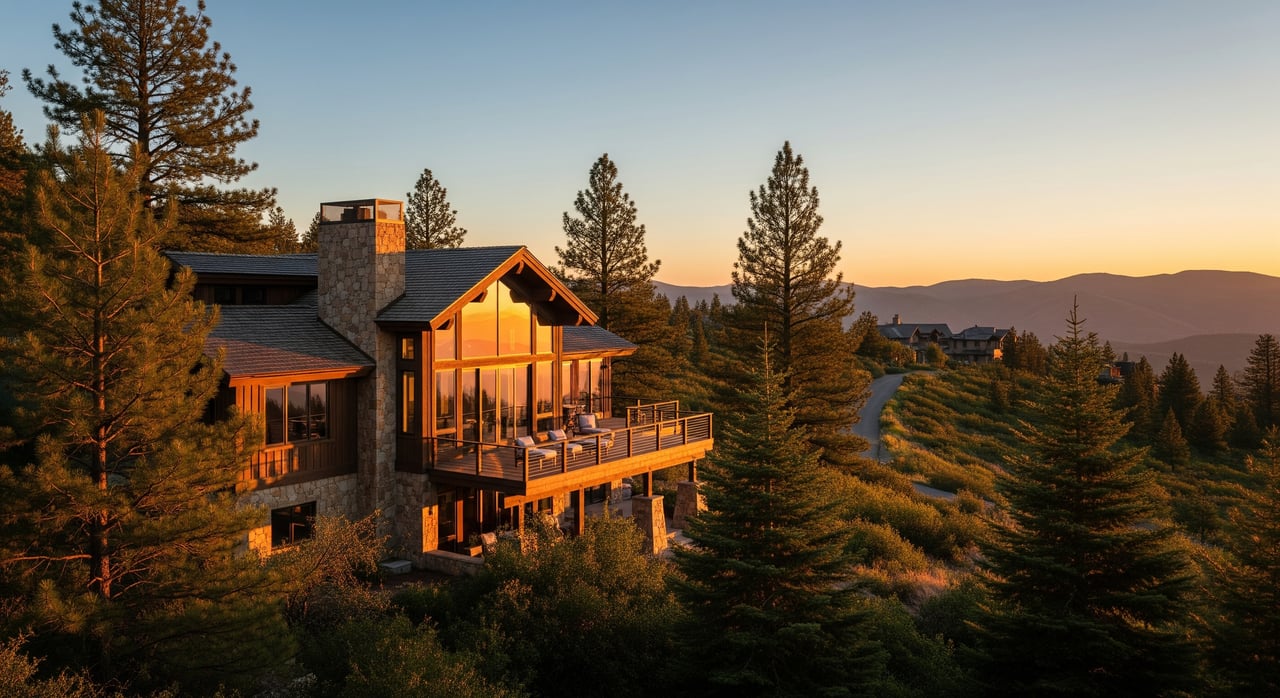
Thinking about a cabin or small mountain home in Rimforest but unsure what the numbers really mean? You are not alone. Rimforest is a small, unincorporated community in the San Bernardino Mountains, and its sales data can swing a lot from month to month. In this guide, you will learn how to read Rimforest pricing, what property types match different budgets, when inventory tends to rise or fall, and what to check before you write an offer. Let’s dive in.
How to read Rimforest market data
Rimforest has a low number of sales each year, so a single closing can shift the median price. Many listings are cozy cabins, older homes, fixers, or lots. That mix makes averages and price per square foot look jumpy compared to bigger towns. Expect week-to-week numbers to feel noisy.
To get a clearer picture, use a rolling 6 to 12 month window when you look at medians and days on market. Compare Rimforest to nearby Crestline, Lake Arrowhead, and Running Springs to see if a trend is local or regional. This approach helps smooth out outliers and makes your pricing expectations more realistic.
Focus on a small set of metrics and date-stamp them. Track median sale price for the past 6 to 12 months, active listings, months of supply, median days on market, price per square foot, and the number of closed sales in the last year. Because the market is small, note the month and year whenever you quote a number.
For current figures, check the local MLS and regional Realtor sources for the most reliable snapshot. Public portals are helpful for quick checks, but confirm with MLS before you rely on any figure while you negotiate.
Price tiers and what you get
Rimforest price tiers vary by season, condition, and exact location on the mountain. Use these profiles to match your budget to typical property types. Keep in mind that these are qualitative tiers. Always verify current numbers and comps before you write an offer.
Tier 1: Entry-level cabins and fixers
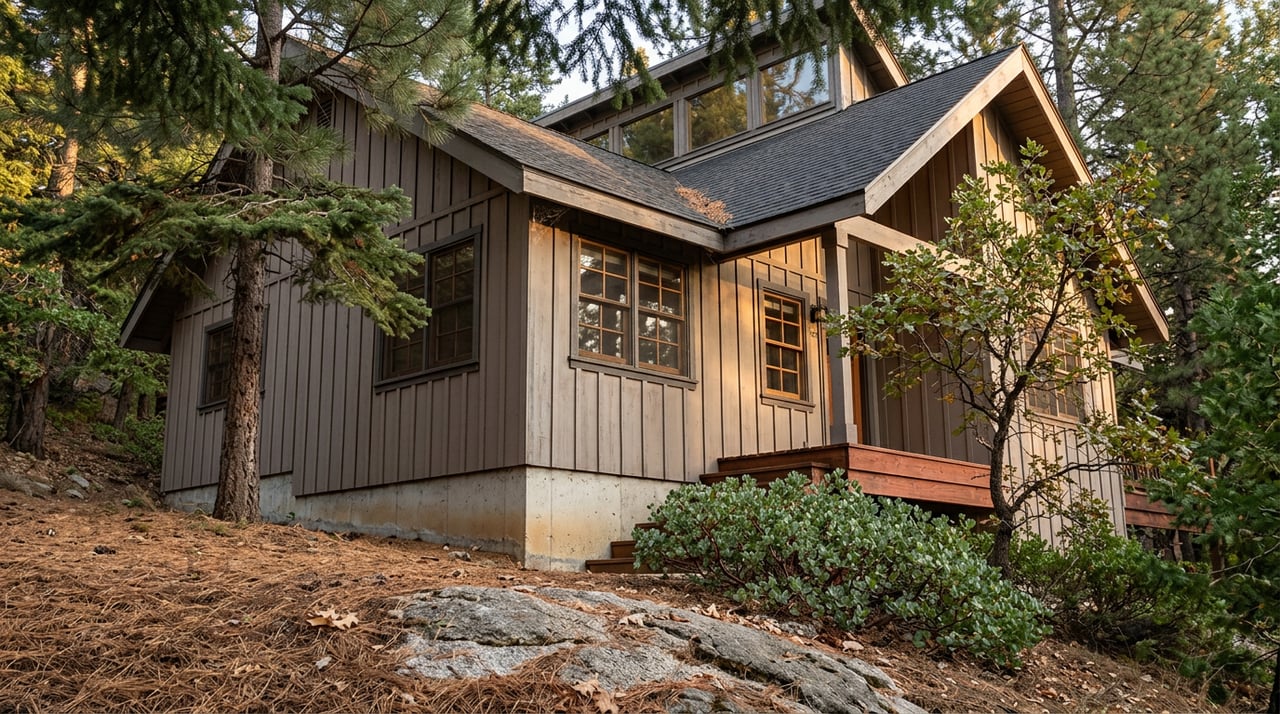
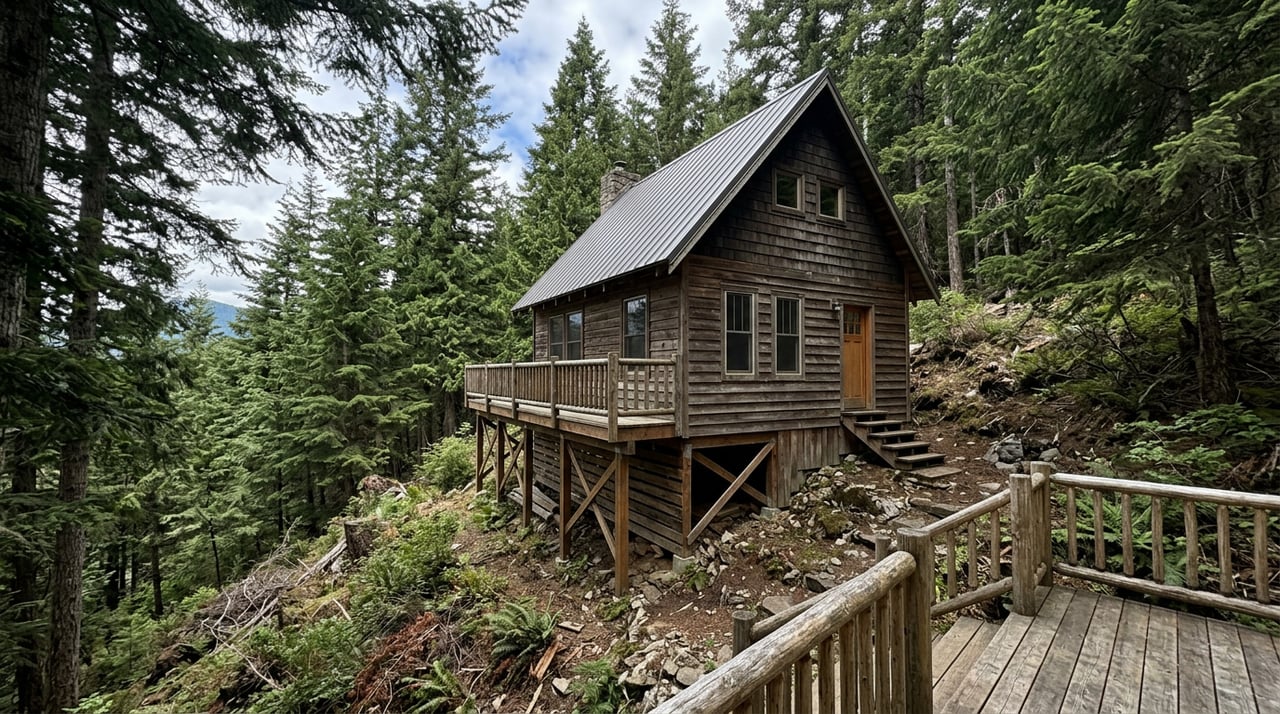
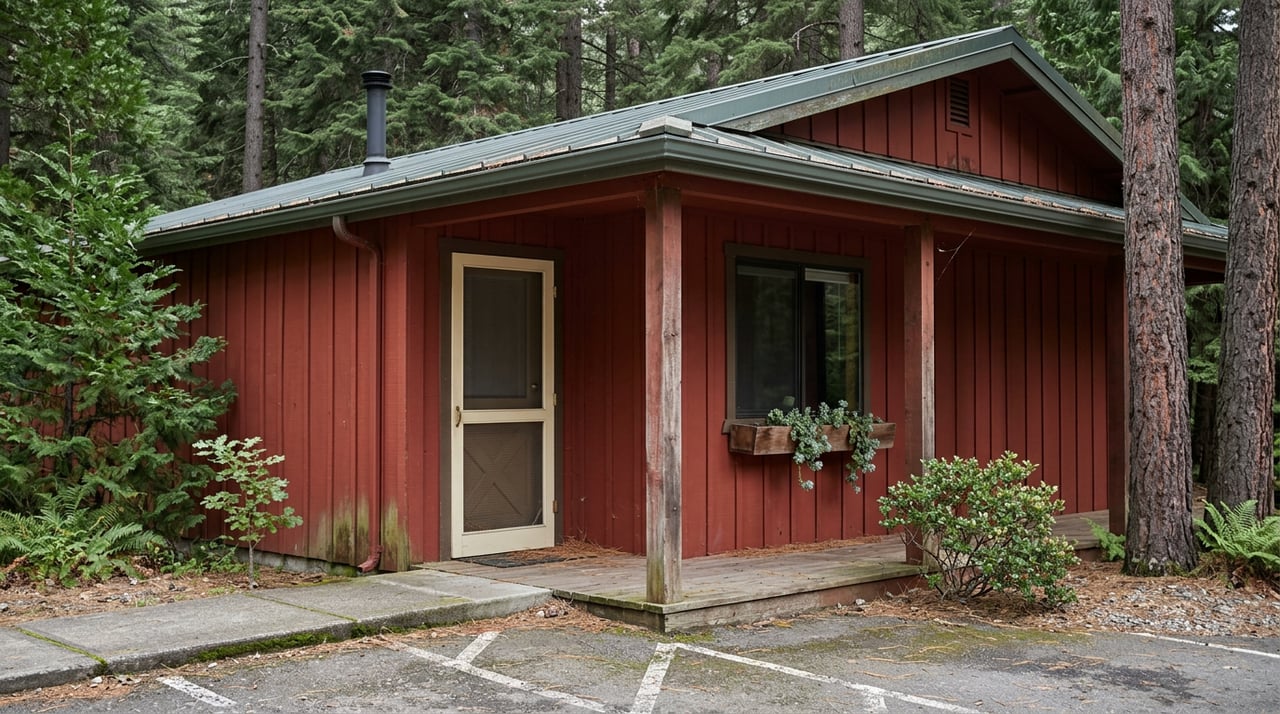
You will see smaller rustic cabins and older single-family homes with 1 to 2 bedrooms and one bath, often under about 1,000 square feet. Many have older systems, original interiors, or deferred maintenance. These can be great if you want sweat equity or a weekend crash pad.
Lots may be smaller or on a slope. Some properties use septic or private wells, and older electrical or heating systems are common. These homes can sit longer if work is significant, but investors and cash buyers sometimes move fast when the price is right.
Expect this to be the most affordable segment in the area. It is a practical entry point if you are comfortable with renovations and can handle seasonal maintenance.
Tier 2: Move-in ready cabins and modest homes
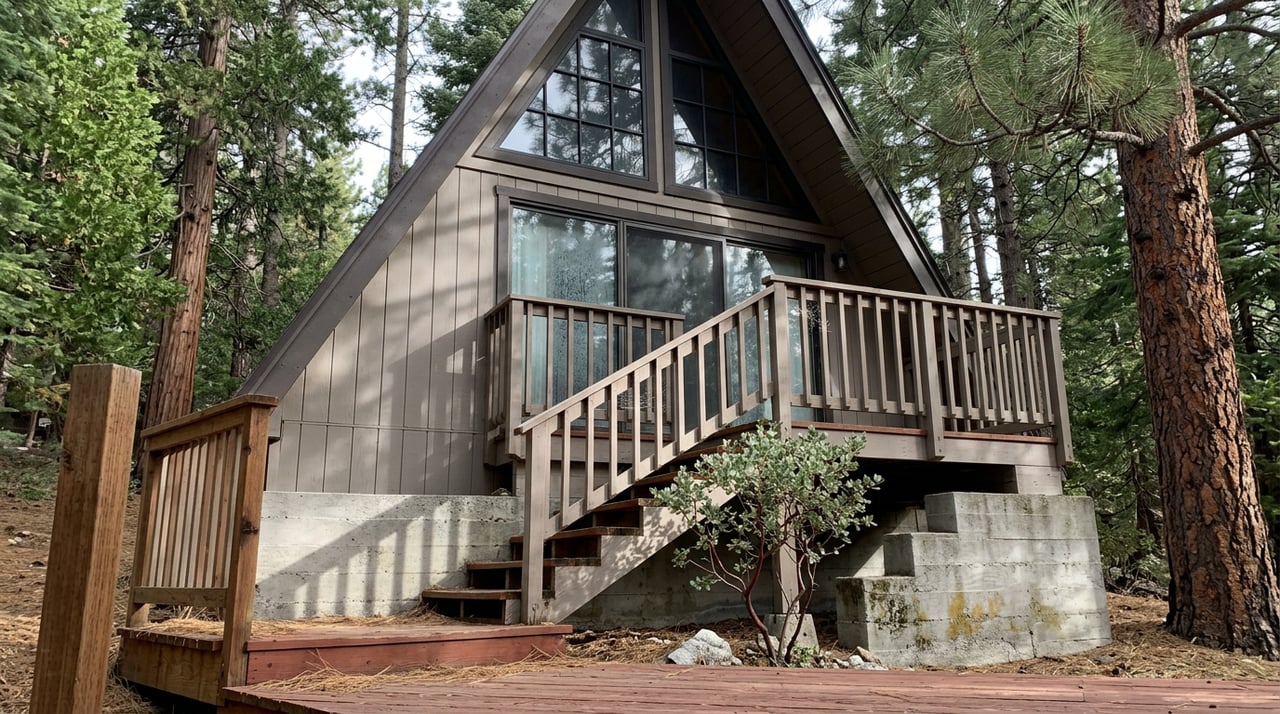
These are remodeled cabins or modest homes with updated kitchens and baths, 2 to 3 bedrooms, improved windows and insulation, and modern heating. Decks and mature trees are common, with better road access than many fixers.
This tier fits buyers who want the mountain lifestyle without major rehab. It also suits small families and regional commuters who want a simpler, predictable move-in. Because the work is done, demand is steady.
If you want to balance price with lower immediate maintenance, this is often where you find the most options and the greatest share of market activity.
Tier 3: Larger or fully renovated homes and premium cabins
Here you will find larger homes with 3 or more bedrooms, higher-end finishes, recent upgrades for safety and fire resilience, improved parking or garages, and sometimes views. Some are newer builds, while others are historic cabins that have been thoroughly remodeled.
Turn-key mountain buyers and second-home owners tend to like this tier. Supply can be limited, and desirable listings may see stronger competition. These properties often set the top of local comps in stronger periods.
If you need space, convenience, or a showpiece cabin feel, be prepared to act fast and bring strong terms when the right home appears.
Vacant lots and land
Lots are common in mountain communities. Budget for utilities if they are not already at the lot, road or driveway needs, and site work on sloped parcels. Lenders are conservative on land loans, so speak with your lender early.
Slope, fire access, and drainage shape both buildability and cost. If you plan to build, add time and budget for permits, surveys, and utility coordination.
Inventory flow and seasonality
Seasonality has a big impact on what you can see and when you can move. Weather and travel patterns cause supply and buyer traffic to rise and fall across the year.
Spring: Peak listing season
March through June typically brings the most new listings. Sellers prepare through late winter, and buyers jump in as the weather improves. Showings are easier, and closings tend to rise from late spring into early summer.
Summer: Active and convenient
June through August stays busy. Out-of-area buyers tour on weekends and during vacations. Inspections and repairs are easier to schedule with longer days and better access.
Fall: Gradual slowdown
From September to November, new listings usually taper and some sellers reposition prices. You may find opportunities on homes that have been on the market since summer, but selection is thinner than in spring.
Winter: Quiet with serious buyers
December through February is the slowest period. Snow and road conditions can reduce showings. Well-priced turn-key homes can still move quickly, but overall activity is lighter and inventory is lower.
How seasonality affects negotiation
In spring, you gain choice, but the best homes may draw multiple offers. In winter, there is less to pick from, yet you may find more negotiating room on homes that need work. Weather can delay showings and closings, so build extra time into your plans.
Practical buyer checklist for Rimforest
Buying in a mountain community involves a few extra steps compared to the suburbs. Use this checklist to protect your timeline and budget.
Wildfire risk and insurance
Confirm whether the parcel is in a designated fire-hazard area. Insurance can be more expensive or limited in mountain zones, and some buyers use the state’s last-resort fire policy when standard policies are not available. Get insurance quotes early so you can confirm lender acceptance and understand any required mitigation like defensible space or ember-resistant vents.
Utilities, septic, wells, and road access
Identify the water source and test well yield and quality if applicable. Many homes use septic systems. Order a septic inspection and ask for pumping or maintenance records.
Ask who maintains the road and how snow removal works. Check power reliability after storms and confirm internet or cellular options if you plan to work remotely.
Building condition and hazard mitigation
Older roofs, decks, electrical panels, chimneys, and drainage are common focus areas. Order a general home inspection, then add septic and well inspections as needed. On steep sites, consider a geotechnical or drainage opinion. A wildfire-hardening review can help with insurance and lender requirements.
Financing and appraisal nuances
Appraisals can be tricky in low-volume areas. Comparable sales may be limited or in neighboring towns, which can affect value opinions. Some lenders have special rules for road access, septic or well verification, and appraiser escorts in mountain areas. FHA and VA have extra standards for water and sewage.
If appraisal or insurance is uncertain, cash offers or larger down payments may help you compete.
Local rules and rental considerations
Confirm any HOA or community rules early. Short-term rental policies are set by the county and sometimes by HOAs, and they can affect your plans. Always verify the current rules rather than relying on past practices.
Budget beyond the purchase price
Plan for higher homeowners insurance in fire-prone zones. Add line items for defensible space, ongoing fire mitigation, utility or water district assessments, road or snow removal costs, and routine mountain maintenance such as roof and deck care and seasonal heating service.
A simple plan to get current numbers this week
- Ask for a fresh MLS snapshot for the last 6 and 12 months that includes median sale price, number of closed sales, active listings and months of supply, days on market, and price per square foot.
- Date-stamp every figure. In small markets, a number from even three months ago can be less useful.
- Compare Rimforest to Crestline, Lake Arrowhead, and Running Springs to see how your target home stacks up.
- Pull a short list of recent closed comps that match your property type and condition tier.
- Pair the data with insurance quotes and a quick contractor walk-through if you are considering a fixer.
What this means for your search
If you are budget-focused and handy, Tier 1 cabins can be a smart entry point, especially in fall or winter when competition eases. If you want simpler ownership, Tier 2 gives you better insulation, modern systems, and lower near-term work, with steady demand across seasons. For space, views, and turn-key living, Tier 3 can be worth the premium, but you should be ready to act when supply is tight.
The key is to combine current, date-stamped data with a clear sense of seasonality and property condition. That gives you the confidence to move when the right home appears.
Lean on a local guide
As a boutique, owner-operated brokerage based in the San Bernardino Mountains, we focus daily on Rimforest, Crestline, Twin Peaks, Lake Arrowhead, and Running Springs. Our team pairs on-the-ground market knowledge with practical mountain-home experience, from septic and well questions to fire readiness and sloped-lot logistics. Whether you need a first purchase, a turn-key move, or help weighing rental potential, we can guide you through every step.
Ready to map your budget to the right Rimforest home and season? Reach out to Rosemarie Labadie to schedule a free home consultation with our local mountain experts.
FAQs
What makes Rimforest pricing look volatile compared to bigger towns?
- Rimforest has a small number of sales and a mix of cabins, fixers, and lots, so a single closing can shift medians and make averages look jumpy.
When is the best time to find more Rimforest listings?
- Spring and early summer typically bring peak new listings, with activity staying strong into August before tapering in fall.
How should first-time buyers compare cabins across tiers?
- Start with condition and systems, then match to your budget and maintenance tolerance, using Tier 1 for fixers, Tier 2 for move-in ready, and Tier 3 for larger or premium homes.
How do winter conditions affect showings and closings in Rimforest?
- Snow and access can slow showings and inspections, so build extra time into your contract and confirm road maintenance and snow removal plans.
Can I get homeowners insurance on a Rimforest cabin?
- Often yes, but premiums can be higher in fire-prone areas, and some buyers use the state’s last-resort fire policy; get quotes early and confirm lender acceptance.
Do short-term rental rules impact purchase decisions in Rimforest?
- Yes, county rules and any HOA covenants may affect rentals, so verify current requirements before you rely on projected rental income.