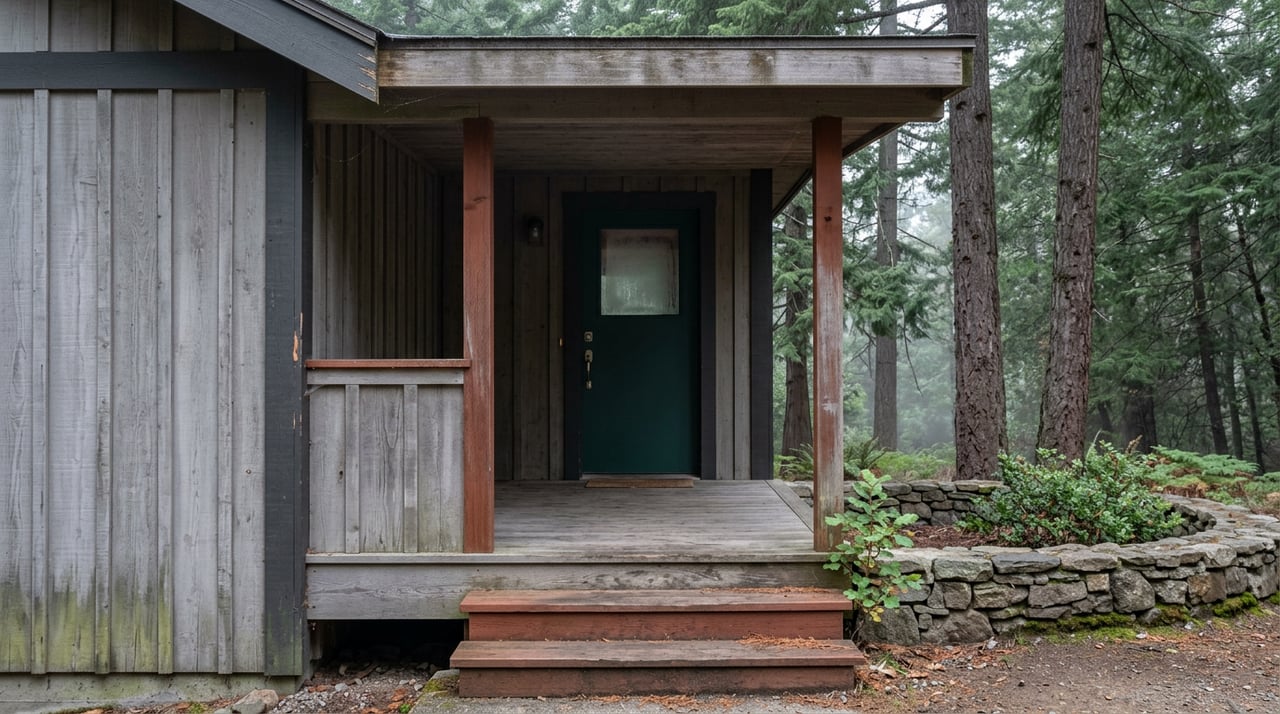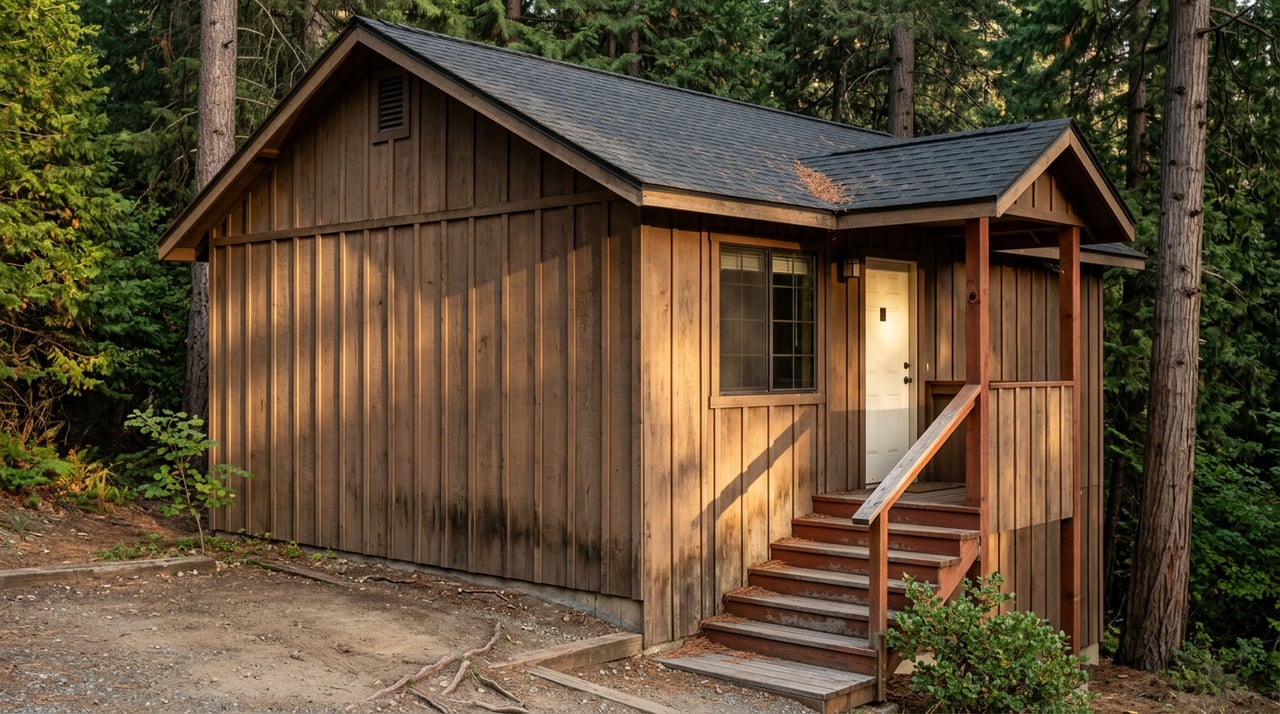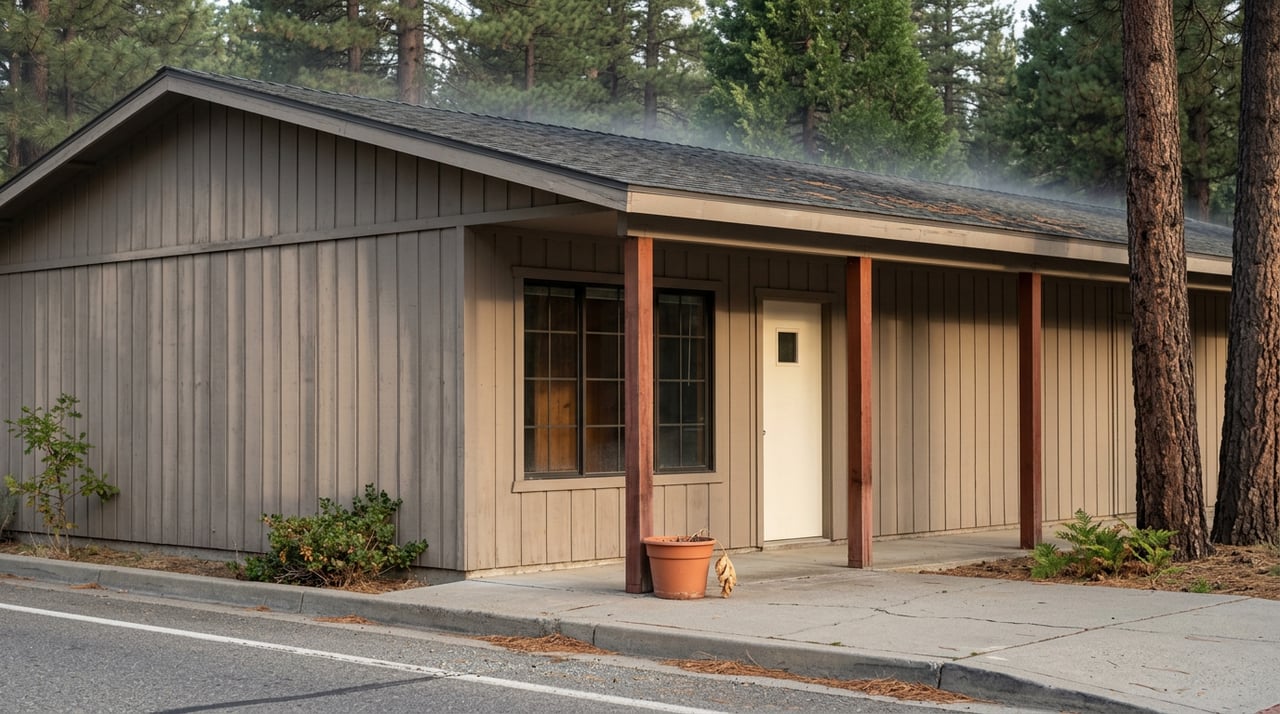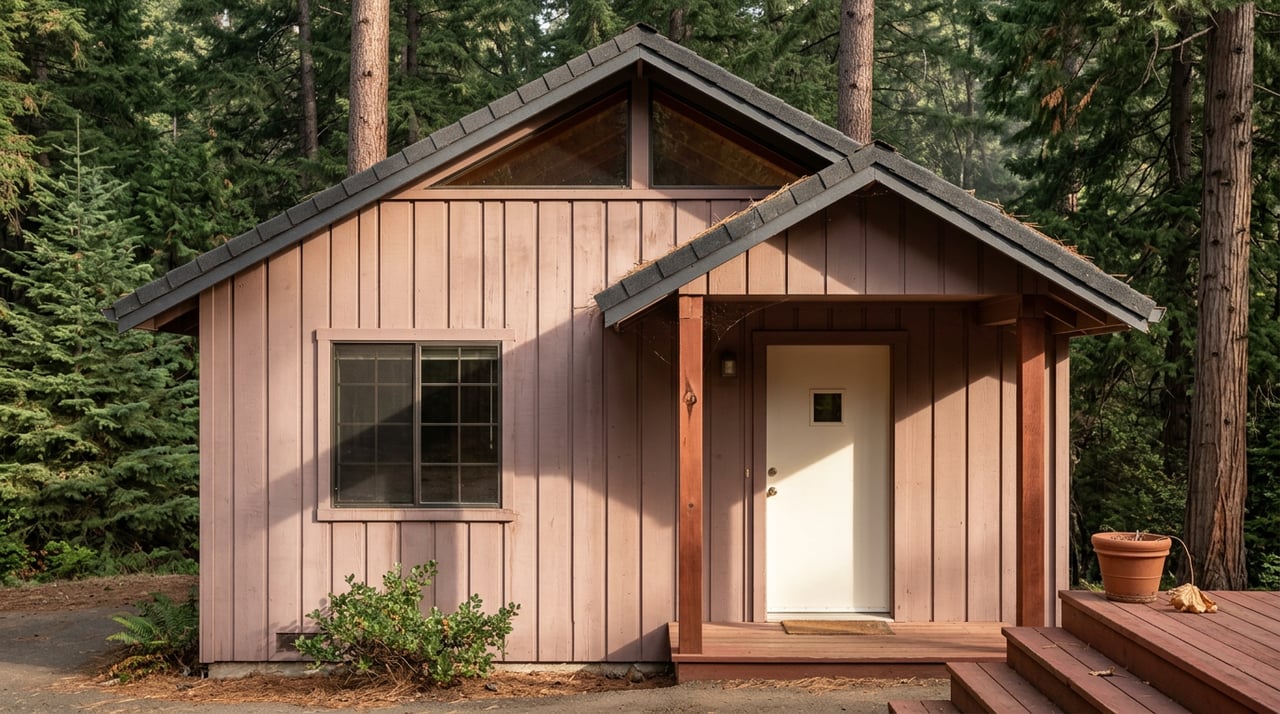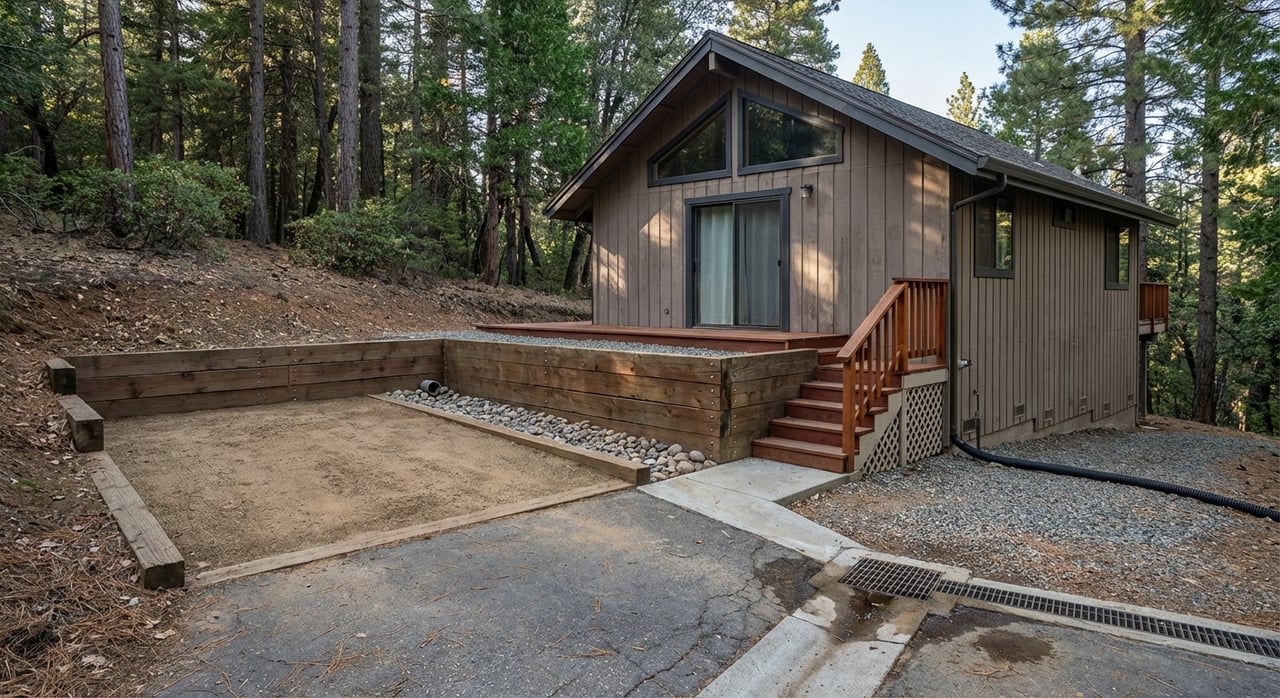
Dreaming of a hillside cabin tucked under tall pines in Rimforest? You are not alone. This small San Bernardino Mountains community draws buyers with big views, cabin charm, and easier entry prices than some nearby towns. Buying on a slope at about 5,600 feet also brings unique questions about access, retaining walls, drainage, utilities, and insurance. This guide gives you a clear path so you can buy confidently and enjoy your mountain retreat. Let’s dive in.
Why Rimforest appeals
Rimforest is an unincorporated mountain community along State Route 18, part of the Rim of the World corridor. Elevation sits around 5,600 feet, and homes cluster on narrow, winding hillside streets. You will find a compact commercial strip along the highway and residential lots that are often steep on either the uphill or downhill side of the road. Learn more about the area’s setting from the Rimforest overview.
Many buyers compare Rimforest with nearby Lake Arrowhead villages. Rimforest often offers a more affordable entry, while still providing quick highway access to mountain amenities. The tradeoff is hands-on ownership on steeper, tighter lots. Planning ahead for slope, storm, and utility realities will help you make a great choice.
Access and winter travel
Rimforest’s main access is State Route 18. In winter and during storms, chain controls can be enforced and segments may close. Caltrans and CHP checkpoints require you to carry and use chains when posted. Check current guidance on chain controls and winter driving.
Local residential streets can be narrow and winding with limited on-site parking. Some cabins have short or steep driveways that become slick in snow and ice. County crews prioritize main mountain routes during storms, while private driveways are the owner’s responsibility for clearing. When you tour, note the driveway angle, the number of off-street spaces, whether neighbors rely on street parking, and where plows typically pass.
Pro tip: If possible, test the route on a weekend or during wet weather. Time the drive and see where chain checkpoints are likely to sit. Confirm any private easements or HOA rules that affect parking and snow removal.
Slope, foundations, and retaining walls
Hillside construction needs extra attention. In San Bernardino County, retaining walls over 4 feet measured from footing to top, or any wall supporting a surcharge, require permits. Unpermitted structural work is a risk to investigate. Start with the county’s Building and Safety permits page to request permit history.
What to look for during showings and inspection:
- New or widening cracks in foundations or masonry
- Leaning or bulging retaining walls, or slumping soil
- Doors or windows sticking, or gaps at floors and ceilings
If a wall supports a driveway, a house, or a slope, do not rely only on a general home inspection. InterNACHI notes that geological and geotechnical evaluation sits outside a standard inspection’s scope. Bring in a licensed structural engineer and, for soils and slope stability, a geotechnical engineer. See why specialist review matters in InterNACHI’s scope of practice guidance and this overview of Southern California geotechnical reporting.
Ask the seller for any engineer-signed plans, permits, and final sign-offs for retaining walls and slope work. If the lot is steep or shows distress, budget and plan for a site-specific geotechnical investigation.
Drainage and post-fire hazards
Water is your friend in the tap and your enemy under the house. On hillside lots, roof runoff must move away from the structure. Look for well-routed downspouts, extended leaders, and perimeter or French drains that discharge to a safe location. General home inspections can flag obvious surface drainage issues, but underground systems are hard to evaluate without specialists. InterNACHI outlines these limits in its inspector standards references.
Post-wildfire landscapes can face elevated debris-flow and erosion risk during heavy rain. Review hazard guidance and consider what sits uphill of the property. California planning resources discuss why recently burned slopes need special care; see an example reference on wildfire and debris-flow risk.
San Bernardino County often requires permits for erosion control and on-site grading. If you see recent cut-and-fill work or new drainage features, verify permits through County Building and Safety. When in doubt, bring in a drainage contractor or geotechnical engineer to evaluate and propose fixes.
Utilities and services
- Water. Parts of Rimforest are served by local public systems. Others may rely on mutual water companies or private wells. During escrow, verify the exact service provider using the state’s public water system search. Obtain a utility service letter when possible.
- Sewer vs septic. Some mountain homes connect to local sanitation districts, while others use private septic systems. If septic, request pump logs and repair history, and confirm any permits and limitations with county records.
- Power and gas. Many cabins are on Southern California Edison for power and SoCalGas for gas. Others use propane. Tree-related outages and possible Public Safety Power Shutoffs can occur in higher-risk areas. Ask SCE about vegetation management and any PSPS history in the area. For context, review SCE’s electrical service requirements reference.
Insurance and wildfire risk
Wildfire hazard designations can affect building standards, defensible space rules, and insurance availability. California updates Fire Hazard Severity Zone maps used for planning and mitigation. Review the state’s FHSZ guidance, then get quotes tied to the specific property address.
If traditional carriers decline coverage, the California FAIR Plan can provide basic fire coverage that you may pair with a private Difference-in-Conditions policy. Availability and pricing vary by ZIP code and address. Start early with a licensed agent and ask what mitigations could improve eligibility or premium. See homeowner resources from the California Department of Insurance.
Smart due diligence timeline
Use this simple sequence to protect your purchase and your budget.
- Verify permits and records
- Pull county permit history for retaining walls, grading, additions, and roof work. Confirm final inspections and ask for engineer-stamped plans where structural work exists. Start here: San Bernardino County permits.
- Pre-qualify insurance by address
- Get quotes before you remove contingencies. If needed, discuss FAIR Plan plus DIC options and a list of cost-saving mitigations with your agent. See the Department of Insurance overview.
- Add slope specialists
- For steep or cut-and-fill lots or if you see retaining walls, order a structural engineer evaluation and, when appropriate, a site geotechnical report. Learn about scope and costs for geotechnical reports in Southern California.
- Check drainage and storm behavior
- Have a drainage contractor trace downspouts and subdrain outlets and propose improvements if needed. Ask the seller for photos from heavy rains. Confirm any required permits through County Building and Safety.
- Confirm utilities and wastewater
- Request written confirmation of water and sewer services or, if septic, obtain pump and inspection records. Use the state’s water system search as a starting point.
- Review electrical service and backups
- Ask SCE about service to the address, any privately owned lines or poles, and local PSPS history. Discuss generators or battery backups with your inspector. See SCE’s service requirements reference.
- Road test in winter conditions
- If timing allows, visit during or right after a storm. Practice chain installation and confirm where CHP typically conducts checkpoints. Check guidance on chain controls.
- Keep smart contingencies
- Write in time for engineering, drainage, insurance, and utility verification. These allow you to negotiate repairs, credits, or plan upgrades confidently.
Budget for hillside ownership
Purchase price is only part of the picture. Many Rimforest lots trade at a discount compared with larger or lakefront communities, yet they can carry higher lifecycle costs. Plan for:
- Retaining wall maintenance or replacement when walls age or move
- Drainage improvements, including downspout extensions and French drains
- Driveway resurfacing, snow removal tools, and ice treatment
- Tree work near structures and utility lines
- Backup power options and surge protection
To stay in control of costs, get bids during your inspection period. Ask for recent invoices from the seller. If an engineer or contractor recommends work, request a written scope with permit requirements and timelines so you can estimate realistically.
Work with a local team
Mountain real estate rewards buyers who ask the right questions early. That is where a neighborhood-first brokerage makes a difference. Our boutique team lives and works here, and we help you verify permits, line up specialists, and understand what a slope will require in daily life. If you are an investor or second-home owner, we also offer rental leasing and property management so your cabin stays cared for when you are away.
Ready to take the next step toward a Rimforest hillside cabin? Reach out to Rosemarie Labadie to schedule a free home consultation with our local mountain experts.
FAQs
What winter access should I expect on Highway 18 to Rimforest?
- Caltrans can require chains and may close segments during storms. Expect checkpoints, slower travel, and plan extra time. Review current rules on chain controls.
How do I verify retaining wall permits in San Bernardino County?
- Request permit history and final inspections through County Building and Safety. Walls over 4 feet or supporting a surcharge require permits and engineer plans.
Do Rimforest cabins have public water and sewer service?
- It varies by address. Some parcels connect to public systems, while others rely on mutual water or septic. Start with the state’s public water system search and request utility letters in escrow.
How does wildfire risk affect insurance for a Rimforest cabin?
- Fire Hazard Severity Zone designations influence underwriting and building standards. If private carriers decline, the FAIR Plan plus a DIC policy may be options. See state resources at the Department of Insurance and FHSZ guidance.
What inspections should I add for a hillside cabin in Rimforest?
- Bring a structural engineer for retaining walls and a geotechnical engineer for steep or distressed slopes, plus a drainage contractor and a septic pro if applicable. InterNACHI notes that geotechnical evaluation sits outside a standard inspection’s scope.
Who provides power and what about outages in Rimforest?
- Many homes are on Southern California Edison, with some areas experiencing tree-related outages or PSPS events. Ask SCE about service at the address and review their service requirements reference.