Torn between making Running Springs your full-time home or using it as a weekend base? You are not alone. Many buyers weigh quiet mountain living against easy access to work and city services. In this guide, you will compare daily life, commute realities, seasons, housing costs, and practical tips so you can choose with confidence. Let’s dive in.
Running Springs at a glance
Running Springs is a small mountain community on the Rim of the World corridor, a gateway to Lake Arrowhead and Big Bear, set around 6,100 feet amid forested slopes. You get quick access to snow sports in winter and hiking, biking, and lakes in warmer months. U.S. Census QuickFacts reports about 5,268 residents, with high household broadband subscription rates compared with many rural areas. That mix of nature and connectivity is a big reason people choose to live or buy here. For location context, learn more about the Running Springs community setting.
Who lives here today
Running Springs has a stable base of year-round residents and a meaningful share of second homes. Census snapshots show more housing units than occupied households and a high owner-occupancy rate, which aligns with a mixed full-time and seasonal community. ZIP-level summaries for 92382 also note a notable share of seasonal or recreational units, supporting that weekend and holiday use is common. You can review that ZIP-level pattern in local 92382 data.
Full-time living essentials
If you plan to live here year round, you will find a compact town core with groceries, a post office, library, bank, and locally owned restaurants. Everyday services are close to Hilltop Boulevard, with larger retailers and major medical down in the valley. It feels quiet on weekdays, then livelier on ski days and summer holidays.
Daily services and utilities
Running Springs is unincorporated, so services are a county mix. Water service is provided by the local district, and county agencies handle roads and public safety. For civic and utility details, check the Running Springs Water District.
Schools and learning
Public school students are in the Rim of the World Unified School District. Charles Hoffman Elementary sits in Running Springs, while middle and high school are elsewhere in the Rim communities. For campus details and attendance specifics, review the Charles Hoffman Elementary profile and confirm boundaries with the district.
Healthcare access
For hospital-level emergency care, mountain residents use Mountains Community Hospital in the Lake Arrowhead area, which has a 24/7 emergency department and basic inpatient services. Specialty care usually means a drive down to the valley. See a local overview of services via Mountains Community Hospital resources.
Part-time ownership basics
Many buyers use Running Springs as a weekend base for skiing at Snow Valley, day trips to Big Bear, and summer trails and lakes. Seasonal ownership can be simpler here than in larger resort hubs, thanks to a smaller-town feel and relatively approachable price points. If you are considering a short-term or seasonal rental strategy, verify San Bernardino County permit rules and taxes before you buy, since regulations and volumes change.
Commute, roads, and transit
The most direct access up the mountain is CA-330, which meets CA-18 near Running Springs. Drives to San Bernardino are often 25 to 40 minutes, depending on traffic and conditions, which aligns with the area’s ACS mean travel time to work of about 39.9 minutes. For a quick reference, see typical drive times from Running Springs to San Bernardino.
Public transit options exist for local and off-the-mountain trips. Mountain Transit runs fixed routes and seasonal off-the-mountain services that connect to valley transit. Schedules change, so always confirm times with Mountain Transit service information.
Winter storms can bring chain controls and occasional closures. Daily commuting is workable if you plan ahead with snow-rated tires or chains and check conditions before you go. Review county notices about staged openings and closures during major storms in this storm operations update example.
Outdoor fun and seasons
Snow Valley, Rim Nordic, and the Big Bear resorts are within practical reach, which is why winter weekends feel busy. After snow season, you will find hiking, mountain biking, camping, and lake time nearby. The San Bernardino National Forest offers a wide range of trails and family-friendly areas, highlighted in the forest visitor guide.
Housing and typical homes
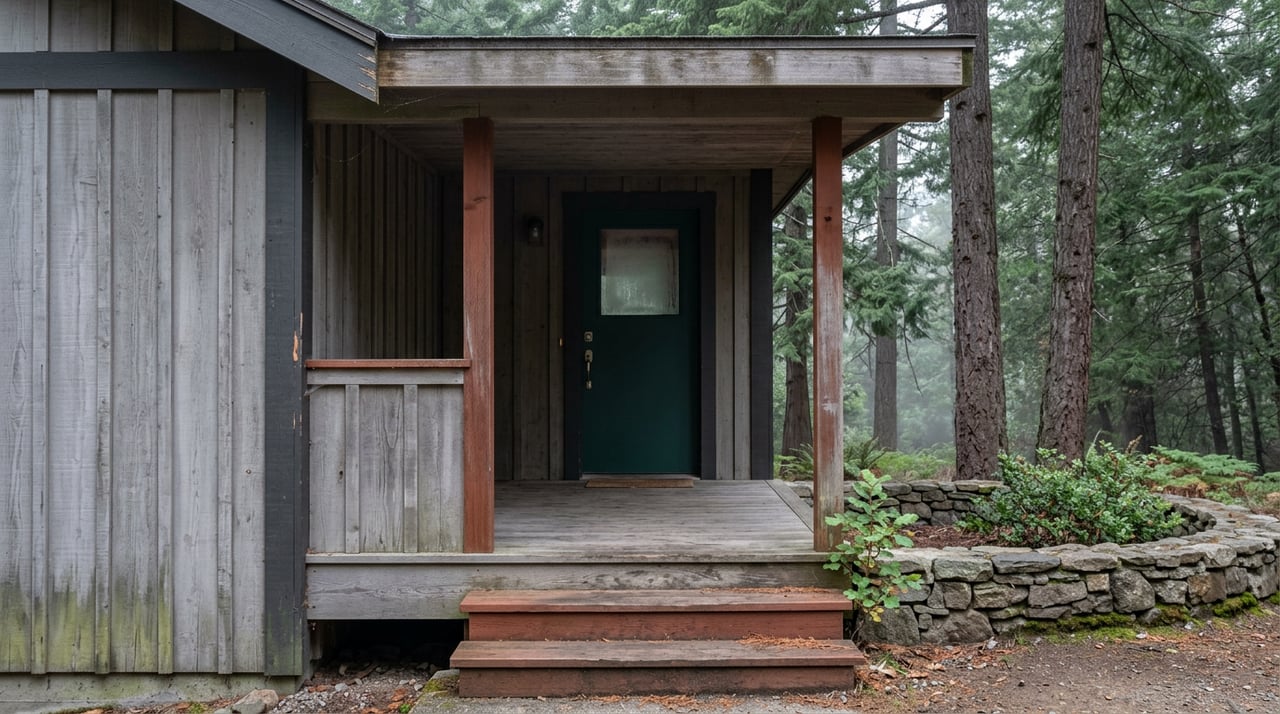
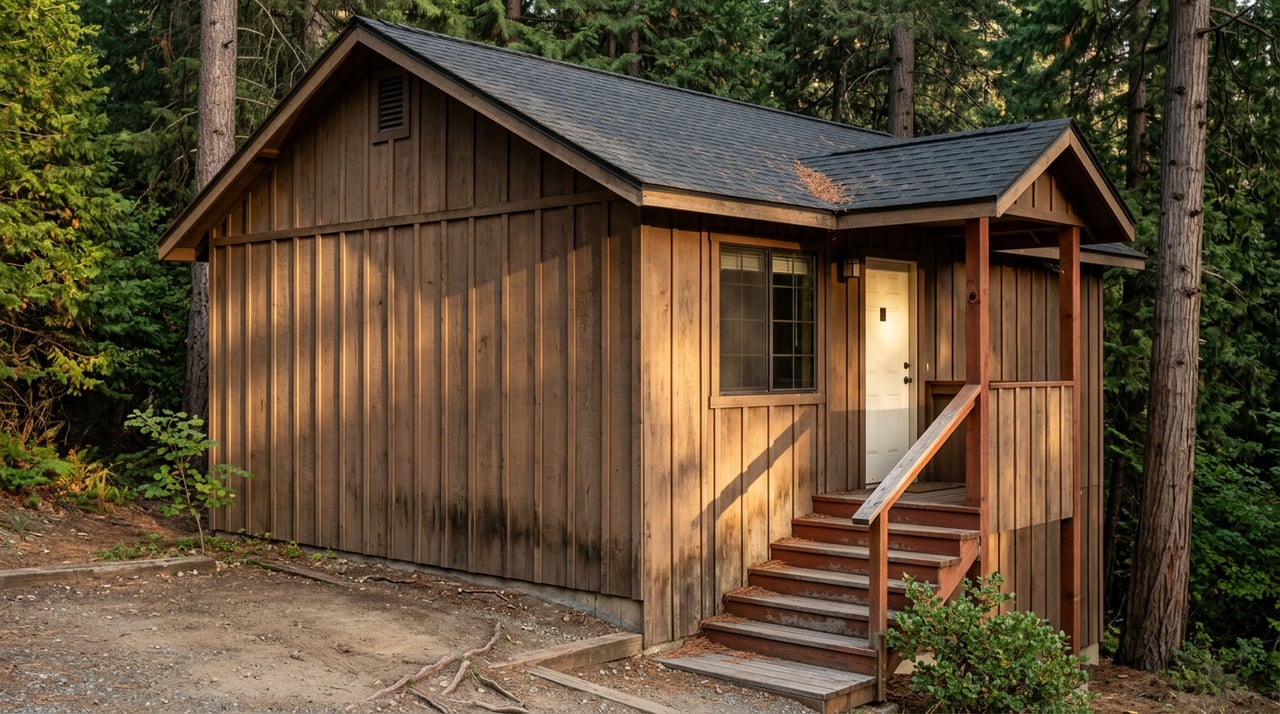
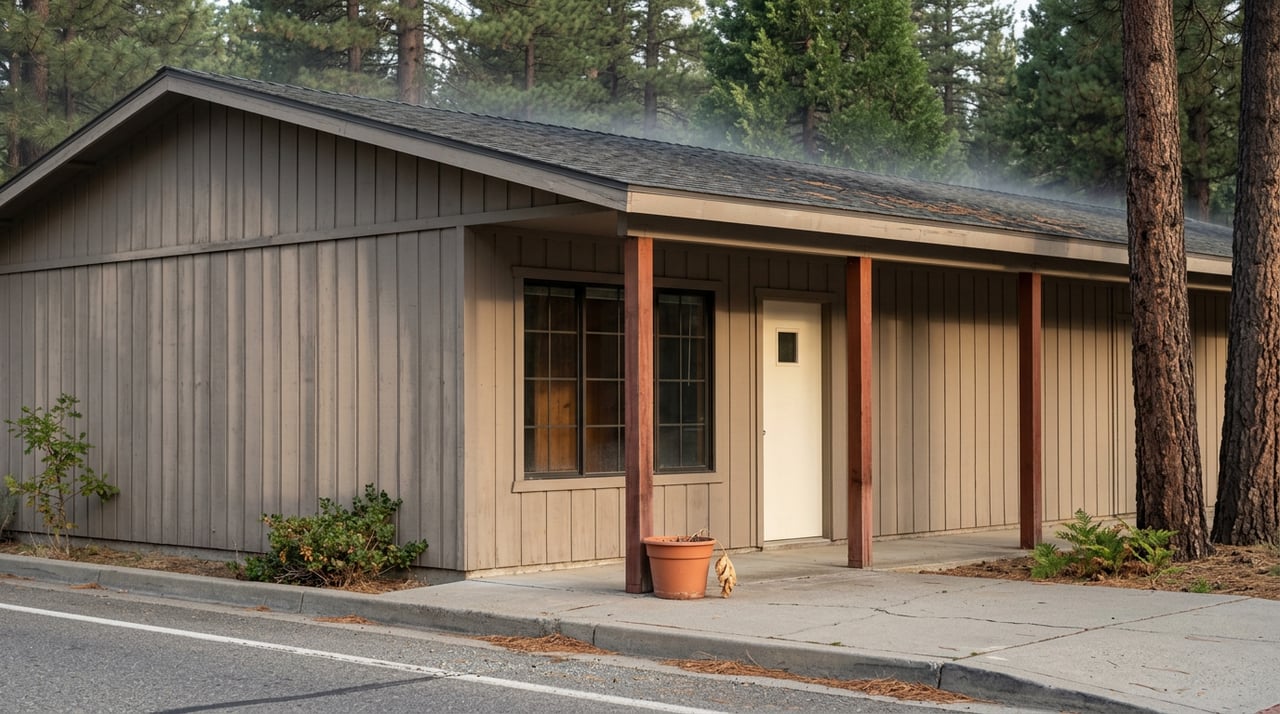
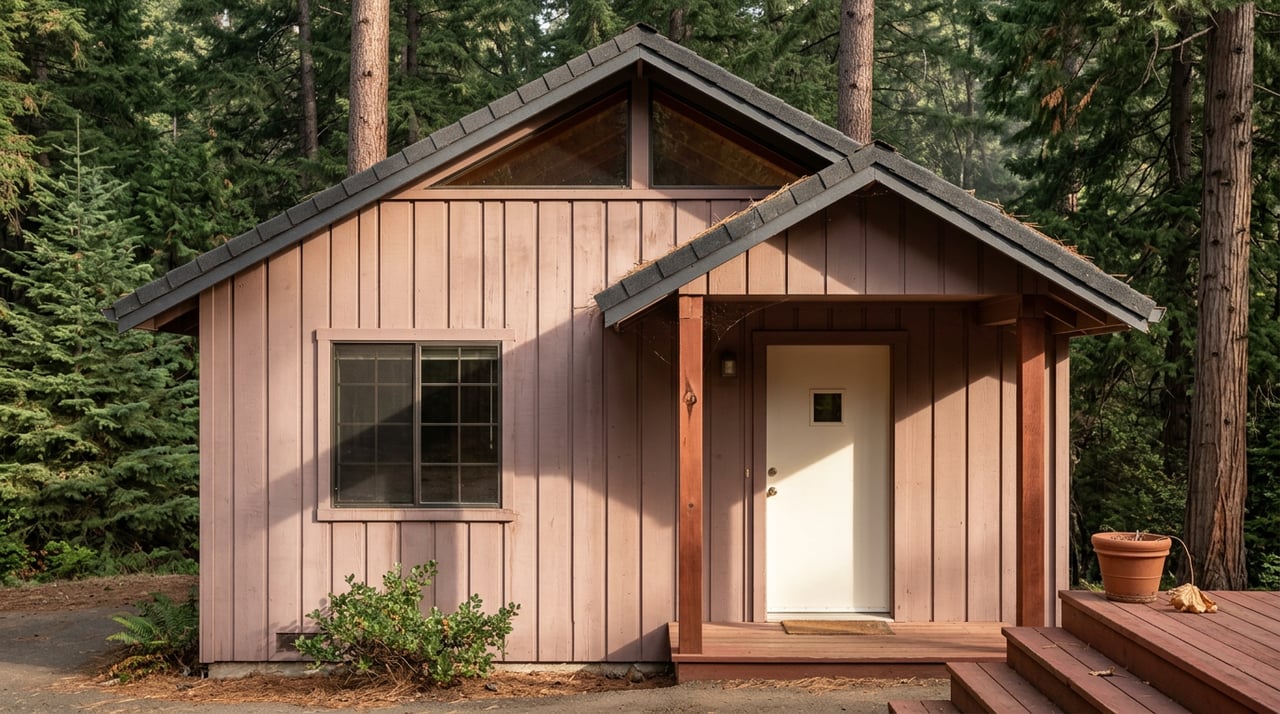
You will see classic cabins, A-frames, and mid-century mountain homes, plus remodels on forested lots. Entry prices are often more approachable than many Southern California markets, with recent market snapshots placing median values in the low to mid $300Ks as of early 2026. Prices and inventory change quickly, so use current local data when you are ready to shop.
Mountain-home features to know
- Septic vs. sewer: verify the system, age, and maintenance history.
- Steep lots and driveways: consider snow access and parking.
- Roofs and decks: confirm snow load, drainage, and railings.
- Heating: many homes have wood-burning fireplaces, verify clearances and maintenance.
- Defensible space: budget for tree work and brush clearing for fire readiness.
- Insurance: get quotes early, wildfire risk can affect pricing and availability.
Pros and cons overview
Pros for both lifestyles
- Instant access to skiing, hiking, and lakes.
- Small-town feel with essential services close by.
- Often lower entry prices than larger resort towns.
Full-time living pros
- Quieter weekdays and tight-knit community rhythm.
- Local schools, library, and civic groups for year-round engagement.
- Manageable commute to valley jobs for many residents.
Full-time living challenges
- Winter driving prep and occasional storm closures.
- Fewer walkable professional services than in the valley.
- Fire-readiness and insurance planning are musts.
Part-time ownership pros
- Quick mountain getaways without long highway drives.
- Flexible use for family, friends, and seasonal stays.
- Potential to offset costs with permitted rentals, if desired.
Part-time ownership challenges
- Ongoing maintenance in a mountain climate even when you are away.
- Seasonal surges in traffic and parking at peak times.
- Compliance with changing county rules for short-term rentals.
Decide full time or part time
Start with your daily priorities. If you need broad services and year-round convenience, a valley suburb could be simpler. If outdoor access, a quiet setting, and a smaller-town pace matter most, Running Springs can work well both full time and part time. List your must-haves, then test the fit with a winter commute run and a peak-season weekend visit.
Tips for smooth ownership
If you plan to live full time
- Keep chains in the car and sign up for road alerts.
- Schedule seasonal HVAC, chimney, and roof checks.
- Build a local service list for snow removal, tree work, and handyman needs.
If you plan to own part time
- Set up smart locks, cameras, and leak sensors.
- Arrange local cleaning and snow removal before the first storm.
- If renting seasonally, confirm county permits and plan for professional management.
Ready to talk through a plan that fits your goals? As a boutique, locally anchored team, we combine buyer and seller representation with renovation-aware guidance and full rental management support for seasonal and long-term leases. Reach out to Rosemarie Labadie to compare neighborhoods, run numbers, and map next steps.
FAQs
Is Running Springs good for full-time living?
- Yes, many residents live here year round with local schools, basic services, and a workable commute to the valley, while planning ahead for winter driving and storms.
What should second-home buyers know about rentals?
- Short-term rental rules and permits are set by the county, so verify requirements before you buy and consider professional leasing and property management if you plan to rent.
How reliable is internet for remote work in Running Springs?
- Census data shows high household broadband subscription rates, though speeds can vary by street, so confirm service and speeds at the specific address before closing.
What are typical drive times to the valley?
- Many residents report 25 to 40 minutes to San Bernardino in normal conditions, with longer times during storms or heavy traffic.
What mountain-home inspections should I prioritize?
- In addition to a general home inspection, consider septic, chimney, roof, and deck evaluations, plus insurance quotes that account for wildfire exposure.