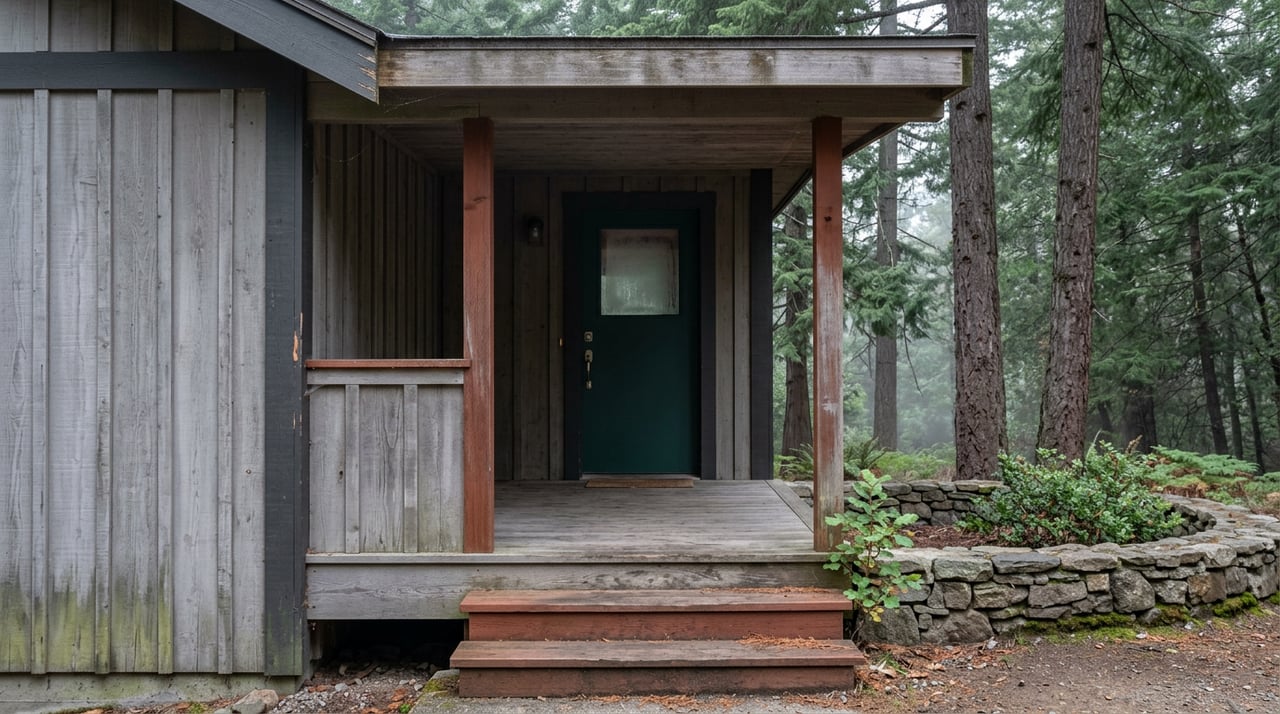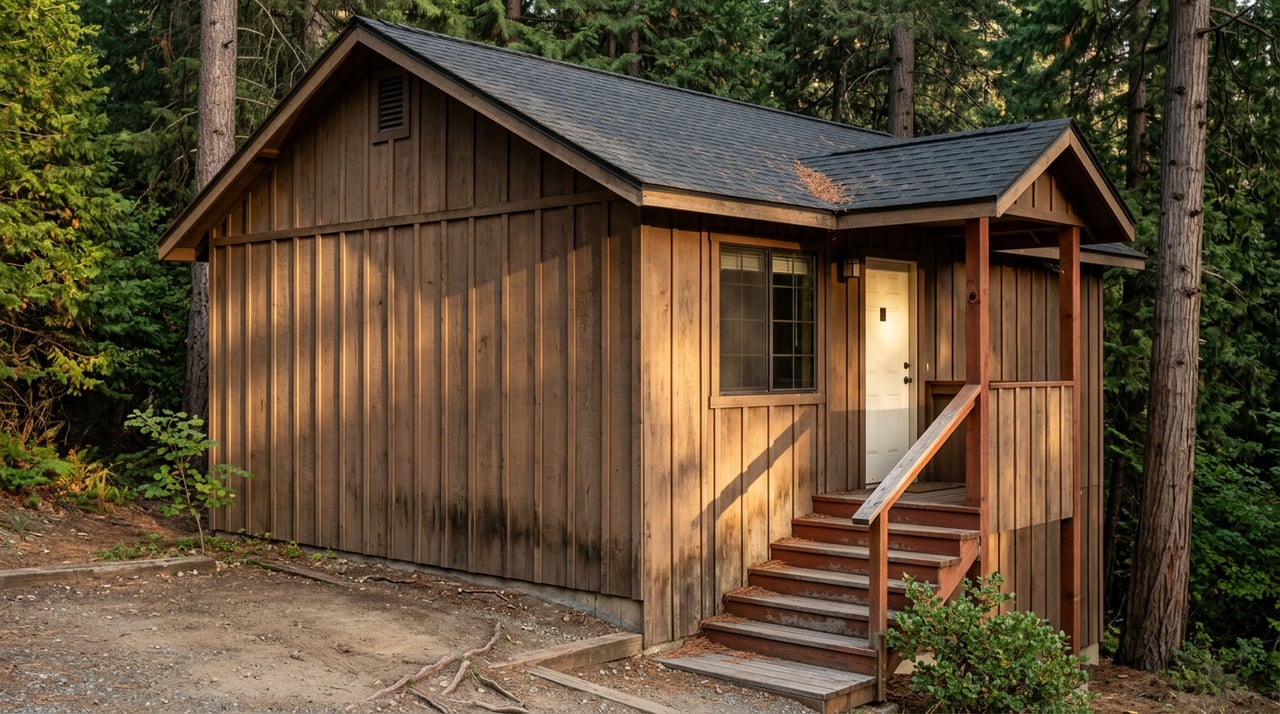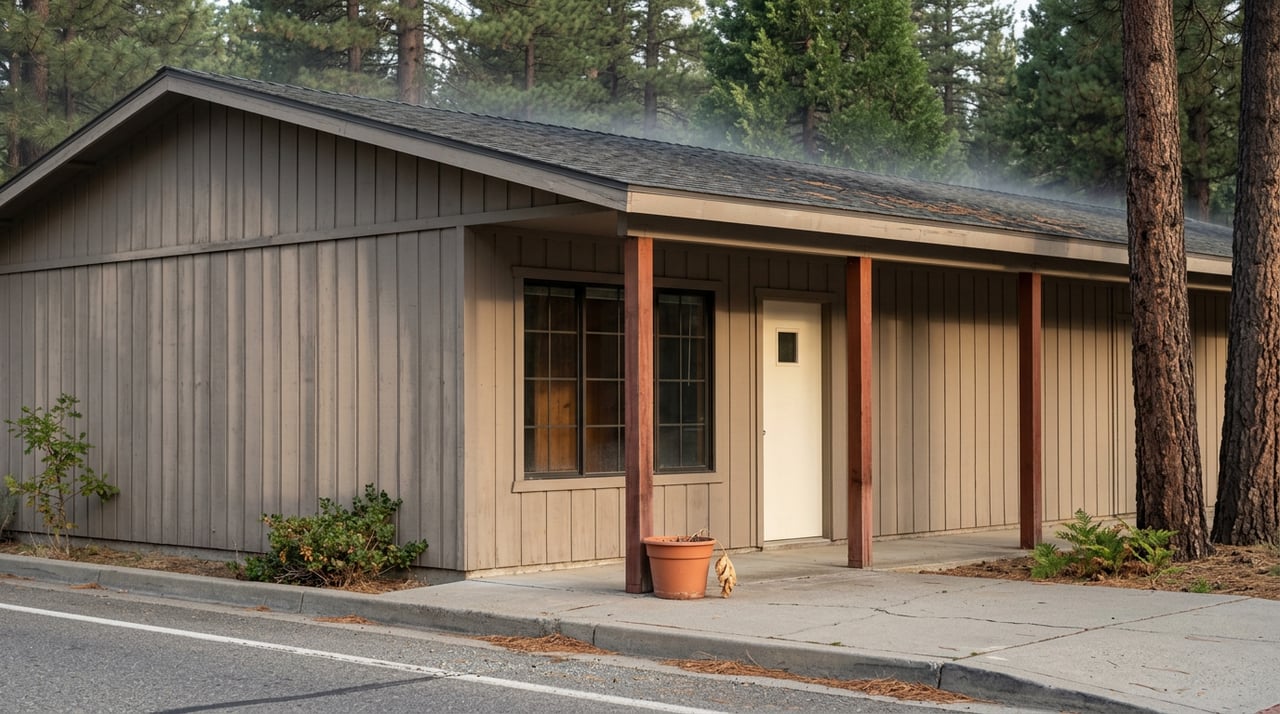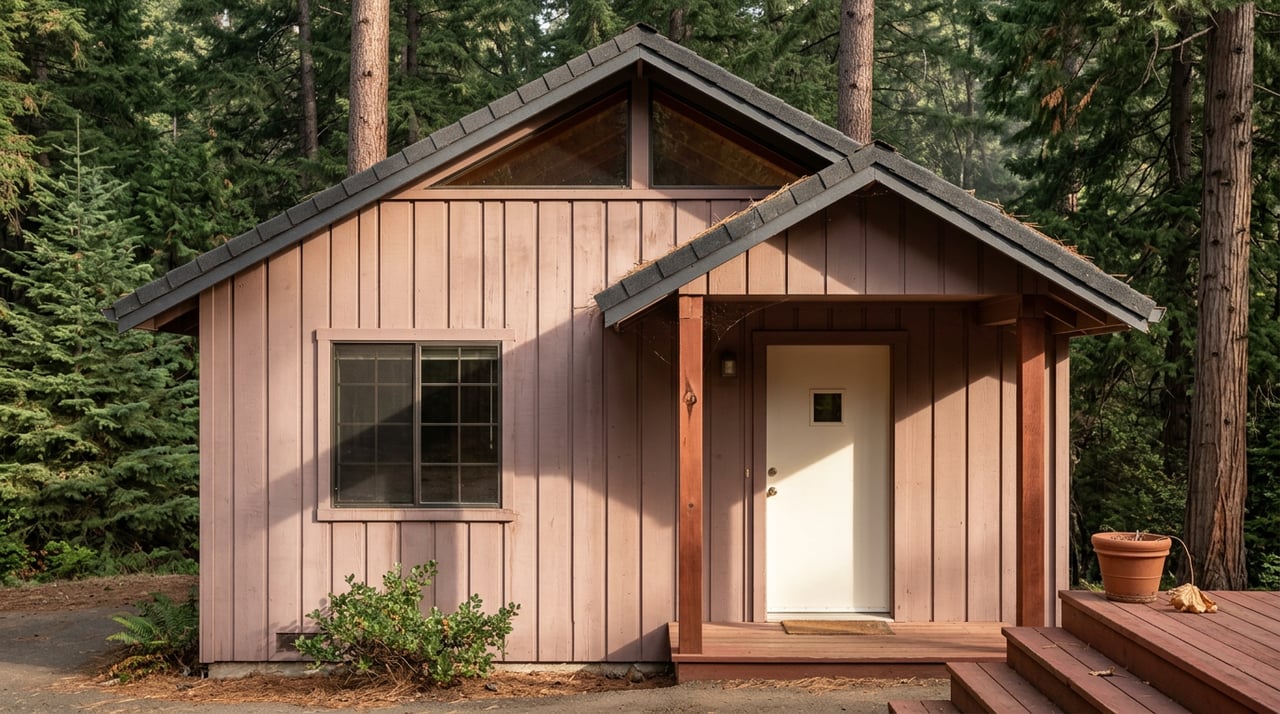
If you own a forested lot in Twin Peaks, you already know the trees are part of the appeal. They also come with real maintenance responsibilities. From wildfire rules to drainage, septic care, and driveway access, the work is ongoing, and staying ahead of it can help you protect both your property and its value. Let’s dive in.
Why forested lots need regular care
In Twin Peaks, lot care is not just about appearance. San Bernardino County Fire includes Twin Peaks in its annual mountain-community inspections, and the county’s Fire Hazard Abatement Program gives owners 30 days to correct hazards when they are found.
That matters because fire season in the mountains is effectively year-round, especially when Santa Ana winds are present. If you own a wooded parcel, routine maintenance should be part of your normal ownership plan, not a once-a-year project.
Start with local wildfire rules
One of the first steps is knowing your parcel’s fire hazard setting. San Bernardino County says property owners should check the county Fire Hazard Severity Zone map to see whether a lot is in a moderate, high, or very high hazard area.
This can affect how you plan improvements and maintenance. The county also notes that new buildings in high and very high zones must meet enhanced safety standards.
Why the first five feet matter
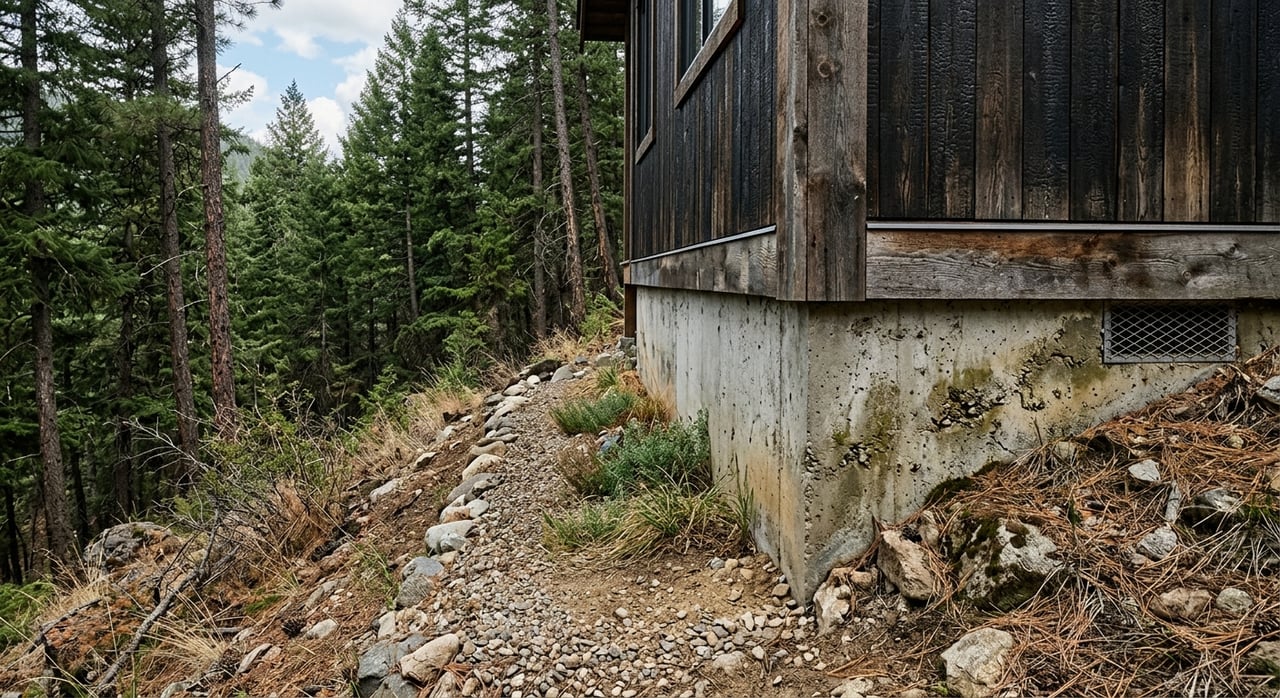
CAL FIRE recommends treating the first five feet around a home as an ember-resistant area. This zone is especially important because embers can ignite materials close to the house, decks, and windows.
For many Twin Peaks properties, that means looking closely at what sits right against the structure. Pine needles, stored items, and nearby plants can all increase risk if they are left too close.
Build defensible space around your home
Defensible space works best when you break the lot into zones. That makes the work feel more manageable and helps you stay aligned with county guidance.
Defensible space from 0 to 5 feet
This area should stay as ember-resistant as possible. Remove vegetation and other combustible materials near the home, decks, and windows.
If you use this space for storage or decor, be careful. Firewood, furniture, and similar items should not be kept close to the structure.
Defensible space from 0 to 30 feet
San Bernardino County code calls for a cleared firebreak near structures. That includes removing dead or dying vegetation, leaf litter, pine needles from roofs and gutters, combustible material under decks, and ladder fuels.
The county also says annual grass should be kept at 4 inches or less. This inner zone often needs the most frequent attention because it collects debris quickly in mountain conditions.
Defensible space from 30 to 100 feet
Farther out, the goal is to reduce continuous fuel. County guidance recommends thinning and spacing shrubs and trees, with more spacing on slopes or where adjacent ground rises or falls toward the property.
This zone should also be cleared of dead branches, debris, and pine needles deeper than 2 inches. On a wooded lot, that can make a big difference in how fire moves through the landscape.
Vegetation and tree issues inspectors may flag
County inspectors look for certain common problems during mountain inspections. That can include highly flammable shrubs near structures or roads, such as manzanita, juniper, service berry, mountain whitethorn, sage, ironwood, and Spanish broom.
They also look at tree clearance. Trees over 12 feet tall should have lower branches removed up to 6 feet above the ground within 100 feet of a structure or 10 feet of a road or driveway.
Home hardening adds another layer
Vegetation management is only part of the picture. CAL FIRE says wildfire readiness is strongest when defensible space and home hardening work together.
For Twin Peaks homeowners, that means paying attention to how the house itself could catch embers. Small upgrades and routine upkeep can go a long way.
Key home hardening steps
- Use ignition-resistant materials where possible
- Keep gutters and roof valleys clear of needles and leaves
- Screen vents with metal mesh that is 1/8 inch or smaller
- Use dual-paned tempered-glass windows when replacing windows
- Keep firewood, propane tanks, patio furniture, and stored items away from the home
- Make sure your address is clearly visible from the road
County guidance also points out that eaves, decks, and balconies can be vulnerable ember entry points. If you are remodeling or building, those areas deserve extra attention.
Protect your lot from erosion and runoff
On a sloped, wooded lot, it is easy to focus on clearing brush and forget what happens when the rain comes. In Twin Peaks, aggressive clearing can create runoff problems and slope instability.
San Bernardino County’s erosion-control guidance recommends preserving mature trees when possible. It also says to protect stockpiles, use downhill perimeter controls like silt fence or sediment logs, and stabilize exposed areas if work pauses for 14 or more days.
When permits and erosion controls matter
If you are planning grading or excavation, the rules can become more technical. County materials say erosion-control best management practices must be in place before site work starts and must remain until the project is complete.
The county also says grading and building inspections may not be performed without those protections in place. If a project moves more than 50 cubic yards of soil, a grading permit is required.
Check drainage after storms
Even with infrastructure in place, heavy rain can still create flood, mudflow, and debris-flow hazards. That is why it makes sense to check drainage after storms and after any major brush-clearing project.
Also pay attention to runoff from vehicles, materials, concrete, or stucco work. County stormwater rules are designed to keep pollutants from leaving the site and entering lakes, streams, rivers, or oceans.
Don’t overlook septic system care
Many mountain owners think first about trees and fire safety, but wastewater systems matter too. San Bernardino County Environmental Health says a home must connect to sewer when sewer is available. If sewer is not available, the property must use an onsite wastewater treatment system, commonly called a septic system.
That system needs regular attention. Septic maintenance is part of responsible ownership, and staying on top of it can help you avoid larger repair costs later.
Basic septic habits for a forested lot
EPA recommends inspecting a septic tank every 1 to 3 years and pumping it every 3 to 5 years, depending on household size and system conditions. EPA also notes that routine pumping is often far less expensive than major repair or replacement.
Landscaping choices matter here too. Tree roots can damage drainfield pipes, so septic areas are better suited to grass or shallow-rooted ground cover than trees, shrubs, patios, or driveways.
Roof drains and surface drainage should also be directed away from the drainfield. On a sloped Twin Peaks lot, that is an important detail.
Keep access roads and driveways usable
Access is another issue that can affect both safety and day-to-day ownership. County Fire Standard A-1 says a residential driveway serving no more than two single-family dwellings and accessory structures must be at least 12 feet wide.
County guidance also says access roads should allow two-way traffic when possible, with 10 feet of clearance on both sides of the traveled way. If a driveway is long, a turnaround is a smart feature because emergency vehicles may not be able to back out safely.
Other access details to watch
- Gates should open inward and be sized for emergency equipment
- Fire apparatus access roads generally should not exceed a 12% grade, with limited approved hillside exceptions for one- and two-family dwellings
- Access roads must be all-weather and built to carry fire apparatus loads
- In some lower-grade one- or two-family situations, native material or compacted gravel may be acceptable if approved by the fire code official
If tree work affects a County-maintained road right-of-way, a free tree permit is required. That can come up along driveway edges, roadside clearing, or access easements.
What buyers and sellers should gather
If you are buying or selling a forested lot or home in Twin Peaks, paperwork matters. A well-documented property is usually easier to evaluate, market, and maintain.
Try to gather:
- Fire-hazard notices
- Septic or onsite wastewater permits
- Septic pumping records
- Driveway measurements
- Grading or erosion permits
- Tree permits, if applicable
The county allows 30 days to correct fire-hazard notices, and it may abate the issue and bill the property owner if the work is not completed. For sellers, that makes pre-listing preparation especially important. For buyers, it helps to understand these items early so there are fewer surprises after closing.
A practical long-term mindset for Twin Peaks
Caring for a forested lot in Twin Peaks is really about balance. You want to reduce fire risk, preserve usable access, manage runoff, and avoid creating new problems while solving old ones.
That is why the most successful mountain owners tend to think in routines, not one-time fixes. Seasonal cleanup, drainage checks, septic records, and access planning all play a role in protecting your property over time.
If you are preparing to buy, sell, or evaluate a mountain property in Twin Peaks, local guidance can make the process much easier. For practical help with mountain-specific issues, pre-listing strategy, or lot-related questions, connect with Rosemarie Labadie.
FAQs
What wildfire maintenance does a Twin Peaks lot usually need?
- A Twin Peaks lot often needs regular defensible-space work, including removing dead vegetation, clearing pine needles from roofs and gutters, reducing ladder fuels, and keeping the first five feet around the home ember-resistant.
What happens if a Twin Peaks property fails a fire-hazard inspection?
- San Bernardino County Fire says owners generally have 30 days to correct hazards, and the county may complete the abatement work and bill the owner if the property remains out of compliance.
How often should a Twin Peaks septic system be serviced?
- General maintenance guidance recommends septic inspections every 1 to 3 years and pumping every 3 to 5 years, depending on household size and system conditions.
What driveway width is required for a Twin Peaks home?
- County Fire Standard A-1 says a residential driveway serving up to two single-family dwellings and accessory structures must be at least 12 feet wide.
When does grading on a Twin Peaks lot need a permit?
- San Bernardino County says a grading permit is required when grading or excavation moves more than 50 cubic yards of soil.
Why is drainage so important on a forested lot in Twin Peaks?
- Drainage matters because heavy rain can create runoff, mudflow, debris-flow, and erosion issues, especially after brush clearing or soil disturbance on a sloped mountain property.