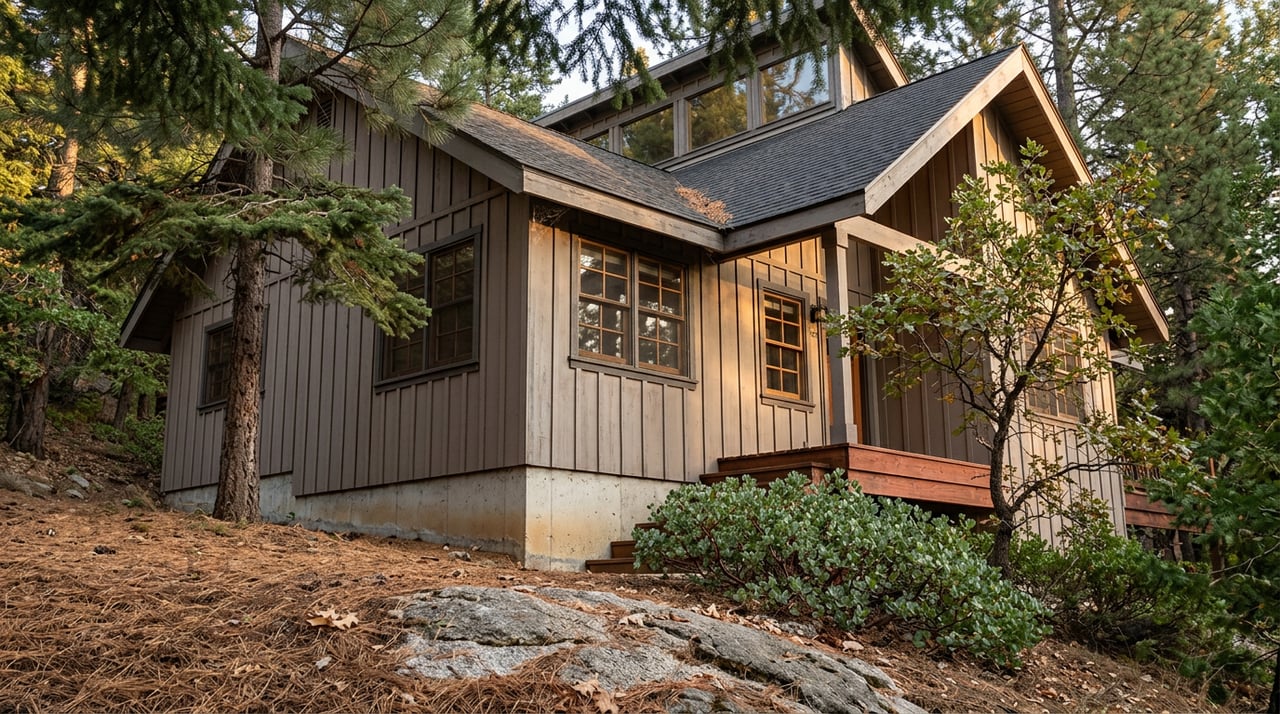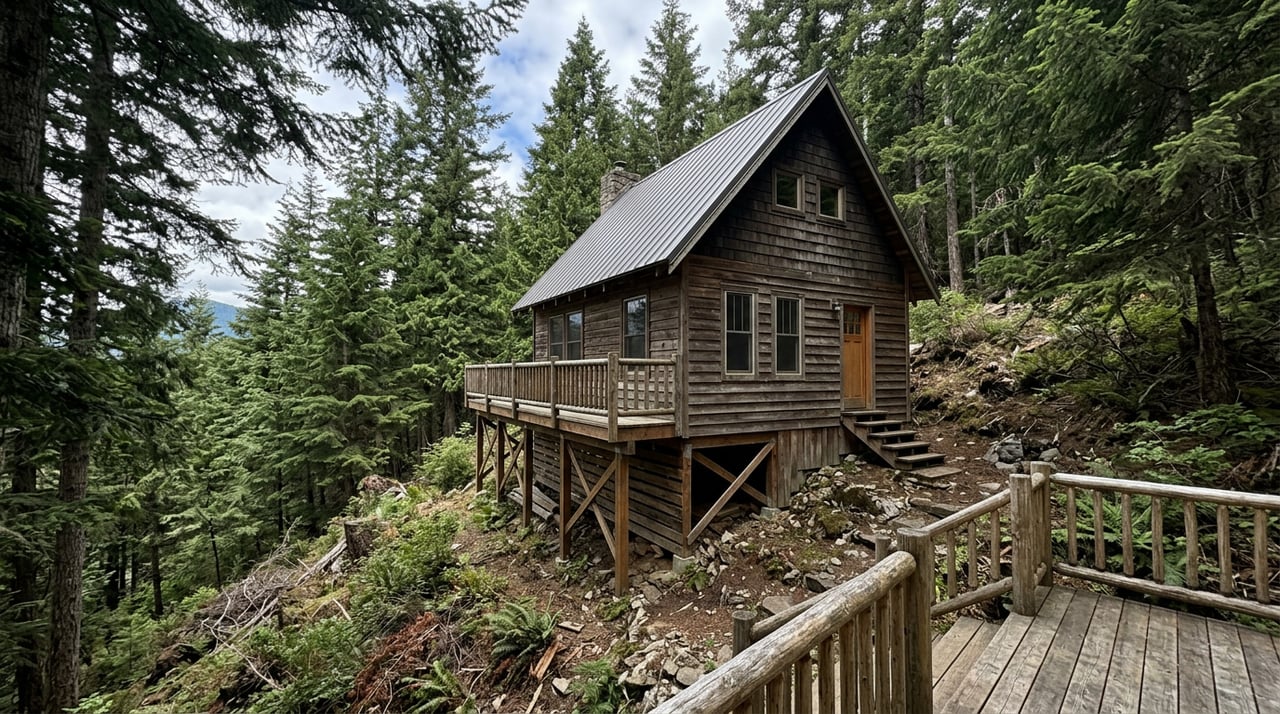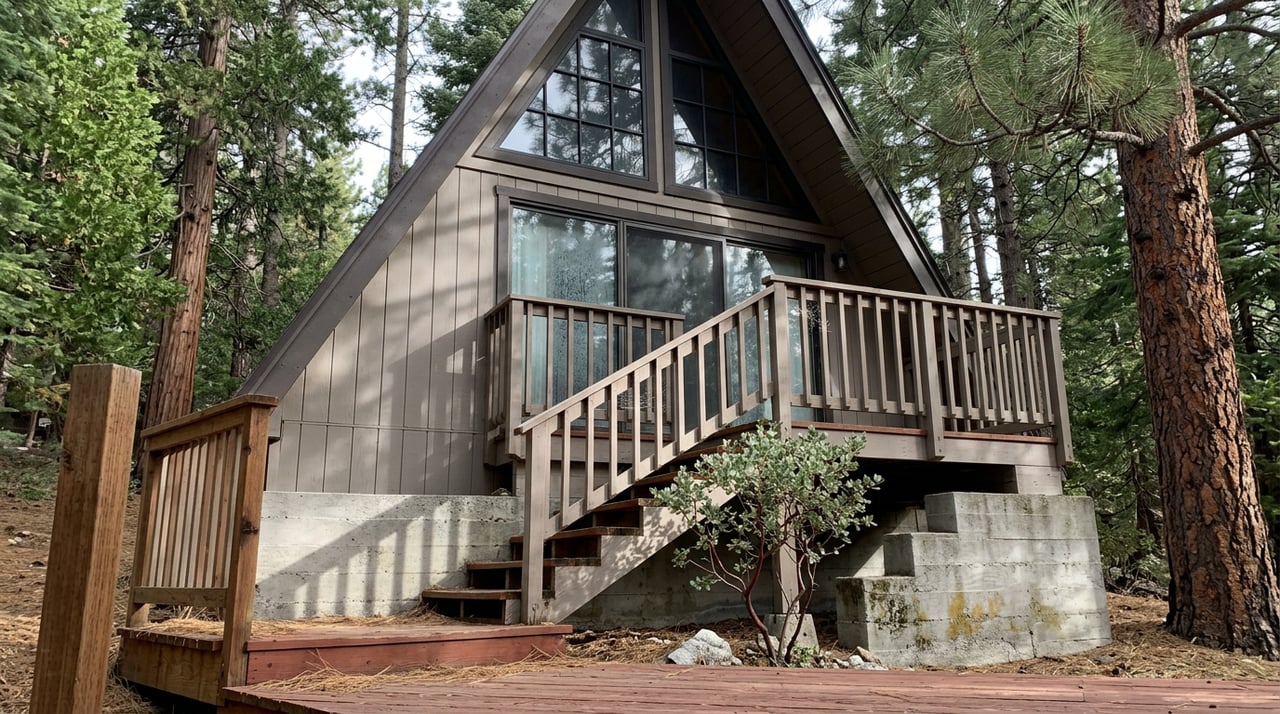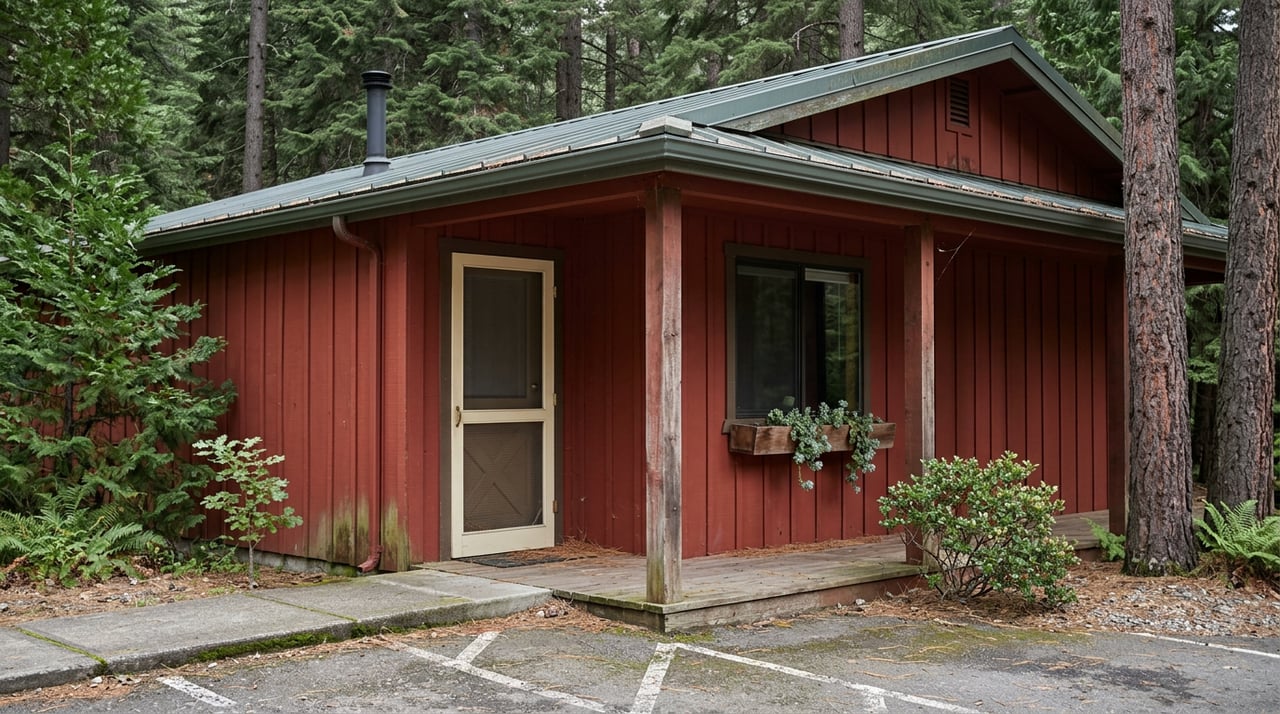
Dreaming about ski mornings without paying resort-side prices? Running Springs gives you a practical way to stay close to the slopes while keeping your home search grounded in everyday mountain living. If you want a cabin near Snow Valley, you need more than a pretty deck and tall pines. You need to understand roads, parking, winter access, and how the area really works week to week. This guide will help you focus on the details that matter most before you buy. Let’s dive in.
Why Running Springs Fits Ski Buyers
Running Springs works well for buyers who want a mountain cabin with easier access to Snow Valley. The Forest Service places Snow Valley Mountain Resort at 35100 State Highway 18, about 5 miles east of Running Springs on Highway 18. That makes Running Springs the closest town-centered option for buyers who plan to ski there often.
The setting also feels like what many buyers picture when they imagine a mountain cabin. San Bernardino County planning materials describe the Hilltop communities as being surrounded by the San Bernardino National Forest, with about 77 percent of the area within the forest. You get the wooded mountain atmosphere, but you also need to plan for the realities that come with it.
That practical side matters. County planning documents describe Running Springs and nearby communities as largely car-dependent, with small commercial areas clustered along SR 18 in Running Springs and Arrowbear. If you are shopping for a ski-adjacent cabin, that means location is not only about scenery. It is also about how easily you can reach groceries, gas, and the highway during winter weather.
Think of Running Springs as an Access Base
One of the smartest ways to shop here is to think of Running Springs as an access base rather than a resort village. Snow Valley is the nearby destination for ski days, while Running Springs is where many buyers look for a more practical home base. That distinction can help you set better expectations from the start.
Big Bear Mountain Resort lists peak elevations of 7,841 feet at Snow Valley, 8,200 feet at Snow Summit, and 8,805 feet at Bear Mountain. In simple terms, Running Springs is well positioned for access to Snow Valley, but it is not the same as owning right next to a higher-elevation resort area. For many buyers, that tradeoff is exactly the point.
You may get a more comfortable balance between recreation and daily function. Instead of chasing a resort feel, you can focus on commute ease, road conditions, parking, and cabin usability. That is often the better long-term fit for weekend owners and second-home buyers.
Winter Access Should Shape Your Search
In Running Springs, winter access is not a side issue. It should be one of the first filters you apply to every property you consider. A beautiful cabin can become frustrating fast if the road, driveway, or parking setup does not work well during snow season.
San Bernardino County says its mountain snow program plows 516 miles of mountain roads. It also notes that snow removal funding can vary by district, with some areas supported through county road budgets and others through property taxes or special taxes. That means service levels can differ depending on the parcel.
Before you get attached to a cabin, find out whether the property sits on a county-maintained road, in a road district, or on a private road. This is one of the most important mountain-specific questions you can ask. It affects both convenience and cost.
Paved Roads vs Dirt Roads
The county says plows are activated when snow reaches 2 to 3 inches on paved roads and 6 inches on dirt roads. That difference matters more than many first-time mountain buyers expect. A property on a dirt road may have a very different winter experience than one on a paved county route.
This does not automatically make one home better than another. It just means you should weigh the tradeoff clearly. If you plan to use the cabin often in winter, road surface and road maintenance should be near the top of your list.
Road District Charges Matter
Some parcels may have added charges tied to road and snow service. One local example is CSA 70 R-16, School House Road, which maintains 0.94 miles of paved roads and is funded by a $600 per parcel special tax on 25 parcels for road maintenance and snow removal. Not every property will have the same setup, which is why parcel-level verification matters.
This is the kind of detail that can affect your budget and your expectations. It is better to know it before you write an offer than after your first snowstorm.
Parking and Driveways Matter More Than You Think
Parking is a major part of cabin ownership near the slopes. In winter, it is not just about convenience. It can affect towing risk, plow access, and whether your cabin works well for guests.
San Bernardino County says parking on mountain streets is restricted when snow conditions exist, generally from October 15 through April 15. Vehicles that interfere with snow removal can be towed at the owner’s expense. County guidance also tells residents and visitors to park off the roadway and avoid blocking snow routes.
That means off-street parking is a real asset. If you expect to host family or friends on ski weekends, count vehicles carefully. A cabin with limited parking can create stress very quickly when snow is on the ground.
Snow Berms Are Part of Life
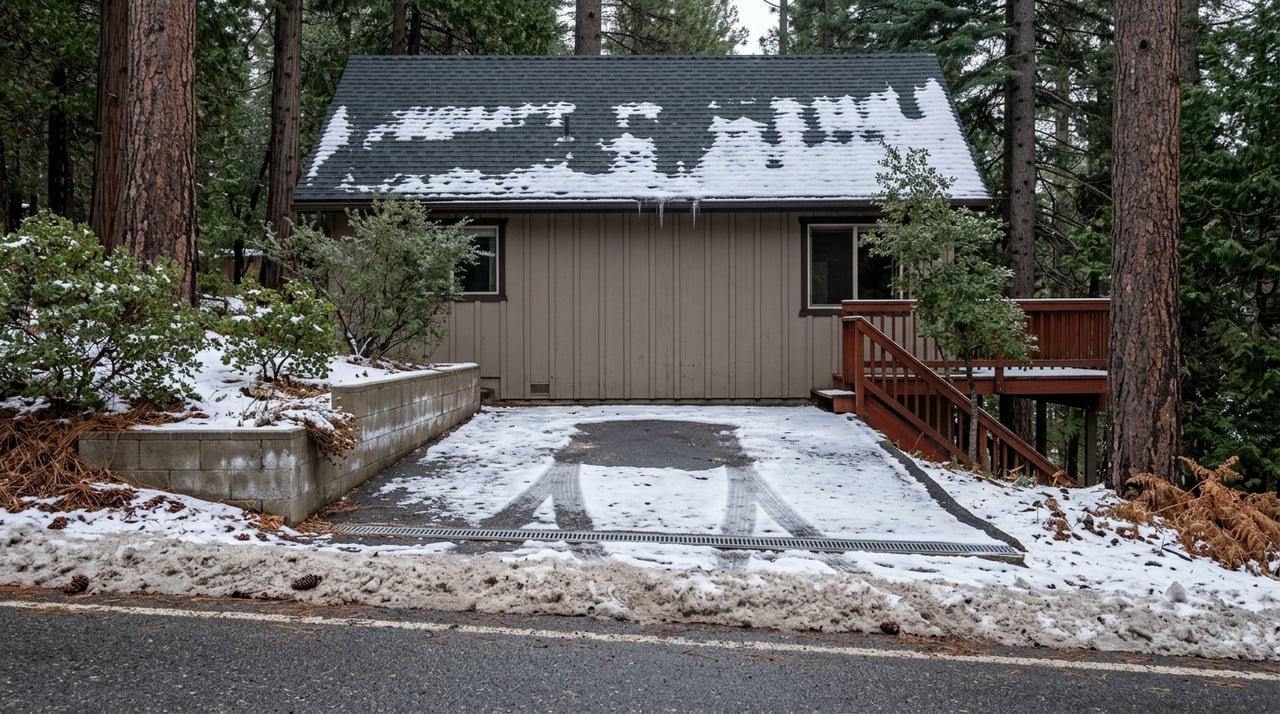
County guidance says the main objective of plowing is to keep roads open, and berms may be left in front of driveways after plowing. For buyers, this is a practical reality of mountain living. You should not assume a freshly plowed road means a totally clear driveway entrance.
Look closely at driveway width, slope, and turnaround space. A steep or awkward driveway may be manageable on a dry day but much harder after a storm. Small layout details often make a big difference in winter usability.
How to Narrow Cabin Locations
When you start comparing homes, it helps to use a simple framework instead of relying only on photos or price. Running Springs cabin buying gets easier when you evaluate each property through the lens of winter function.
1. Prioritize SR 18 Access
County planning materials show businesses clustered along both sides of SR 18 in Running Springs and Arrowbear. For many buyers, staying closer to that corridor makes everyday errands easier. It can also simplify ski mornings when you want a more direct route toward Snow Valley.
If your goal is frequent winter use, proximity to key roads may matter more than a slightly bigger lot or a more secluded feel. Convenience tends to matter more after your first few snowy weekends.
2. Verify the Maintenance Setup
Ask how the road is maintained and who is responsible for it. You want to know whether the parcel is on a county-maintained paved road, part of a district, or served another way. This is one of the clearest ways to compare one cabin against another.
It also helps you understand possible costs, service expectations, and storm-day logistics. In mountain markets, those details are part of the property.
3. Check the Parking Geometry Early
Do not save the parking question for later. Make sure the home has legal off-street parking that fits the number of vehicles your household or guests are likely to bring. If parking only works on paper, it may not work in winter.
The shape of the driveway matters too. A narrow, steep, or sharply angled entry can become a daily headache during snow season.
4. Evaluate Services, Not Just Views
Scenery is important, but practical access matters just as much. County planning materials say there are no hospitals within the Hilltop planning area, with the closest hospitals located in Lake Arrowhead and Bear Valley. The same county profile notes that fire response times in Running Springs can vary from 8 to 15 minutes depending on weather and road conditions.
That does not mean you should avoid the area. It simply means you should buy with clear eyes. In mountain communities, weather and road access shape everyday logistics.
Budget for Winter the Right Way
A mountain cabin near the slopes comes with winter-specific costs that buyers should plan for upfront. Some are public-side costs, and others are simply part of using the property well.
Your winter budget may include:
- Special taxes or district charges tied to road and snow services
- Chains or other traction devices for your vehicle
- Off-street parking solutions for household vehicles and guests
- Possible towing or storage costs if a vehicle blocks snow operations
- Ski-area parking costs on select days
Caltrans says chain-control areas can change quickly as weather and road conditions change. Drivers must stop and install chains when posted signs require them, and the speed limit under chain control is typically 25 or 30 mph. If you are not comfortable with that, it is worth being honest with yourself before buying.
There is also the resort side of the equation. Big Bear Mountain Resort says Snow Valley parking is first-come, first-served, with paid parking used on select dates and limited premium parking inventory. If you picture frequent ski weekends, treat parking as a recurring part of ownership, not a one-time inconvenience.
Transit Exists, but Cars Still Lead
Mountain Transit offers some service for mountain communities. Route 4 connects Lake Arrowhead and Running Springs Tuesday through Saturday, and the broader network includes service involving Big Bear Valley, Running Springs, and San Bernardino, along with dial-a-ride service for the RIM area.
That can be helpful as a backup. Still, county planning materials describe the area as largely car-dependent, and that is the better way to think about ownership here. Transit can support your plans, but it should not replace them.
Questions to Ask Before You Write an Offer
A strong offer starts with strong due diligence. In Running Springs, the right questions can save you from buying a cabin that looks great online but feels difficult in winter.
Ask these questions before moving forward:
- What road district or maintenance system serves the property?
- Is the road paved or dirt?
- Are there special taxes or parcel charges for road or snow service?
- Is there legal off-street parking for the number of vehicles you expect?
- How does the driveway function after plowing and snow berm buildup?
- Are you comfortable driving in chain-control conditions?
- Does the cabin fit your real winter-use pattern, not just your ideal one?
Those questions may not feel glamorous, but they are exactly what make a mountain purchase more successful. A well-chosen cabin should support the way you actually plan to use it.
If you are comparing cabins in Running Springs, local guidance can make the process a lot clearer. The right property is not just close to the slopes. It is the one that works for your budget, access needs, parking setup, and winter routine. When you want practical insight from someone who knows these mountain communities firsthand, connect with Rosemarie Labadie.
FAQs
What makes Running Springs a good cabin location near Snow Valley?
- Running Springs is about 5 miles west of Snow Valley on Highway 18, which makes it a practical town-centered base for buyers who want regular ski access.
What should buyers check about roads in Running Springs?
- Buyers should verify whether a property is on a county-maintained road, in a road district, or on a private road, and whether the road is paved or dirt because winter service can vary.
Why is off-street parking important for a Running Springs cabin?
- San Bernardino County restricts parking on mountain streets during snow conditions, and vehicles that interfere with snow removal can be towed, so off-street parking is a major winter advantage.
How do chain controls affect Running Springs cabin owners?
- Caltrans says chain-control requirements can change quickly, and drivers must install chains when posted signs require them, so winter driving readiness is part of owning a cabin here.
Should buyers expect public transit to replace driving in Running Springs?
- No. Mountain Transit offers limited service that can help as a backup, but the area is generally car-dependent for daily errands and winter access.