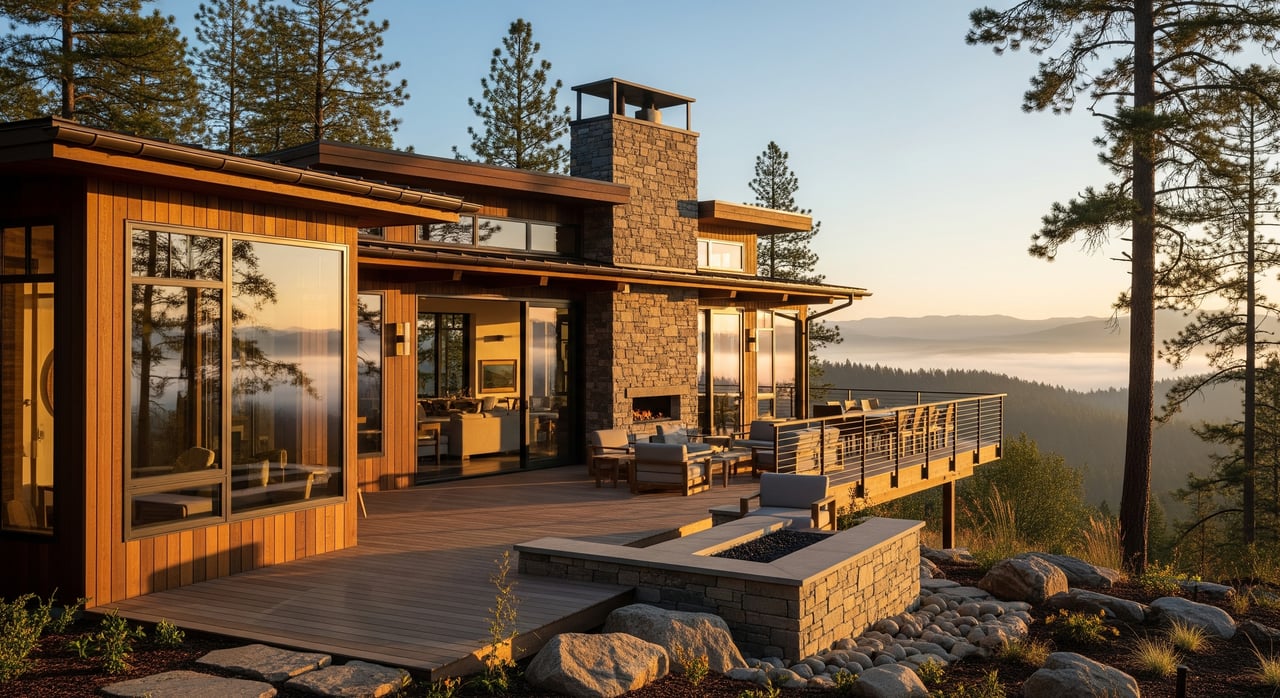
Looking for a quiet mountain base where the pines outnumber the people and weekends truly feel like weekends? Cedarpines Park offers just that. You get cooler summer days, forest views, and a slower pace that makes it easy to reset between work weeks. In this guide, you will learn what daily life looks like, how to plan for utilities and internet, what to know about wildfire and winter, and the key steps to take before you buy. Let’s dive in.
Why Cedarpines Park appeals
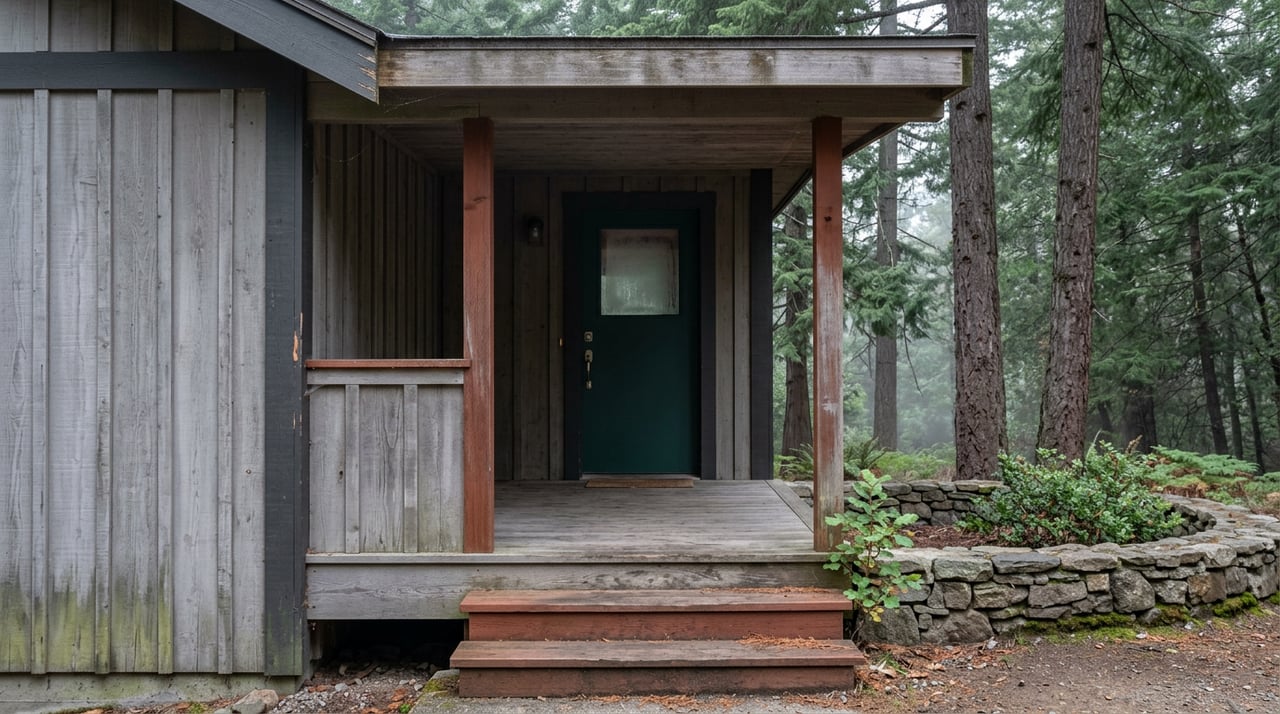
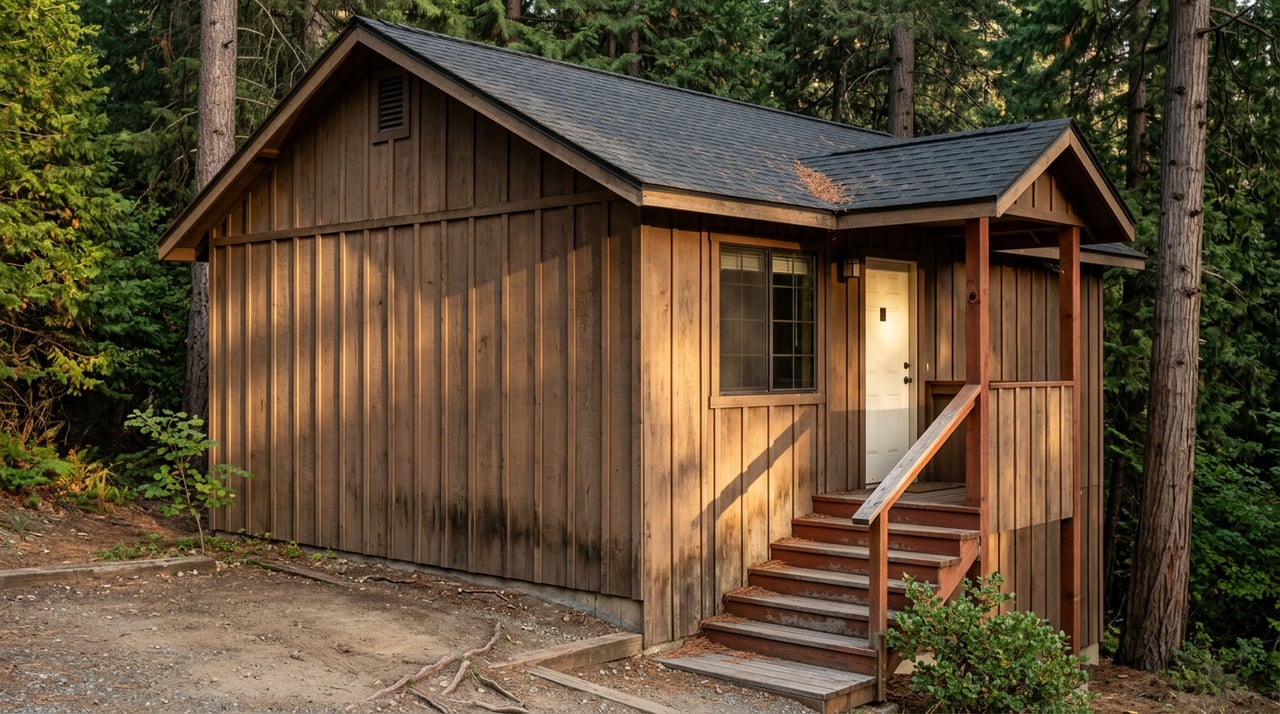
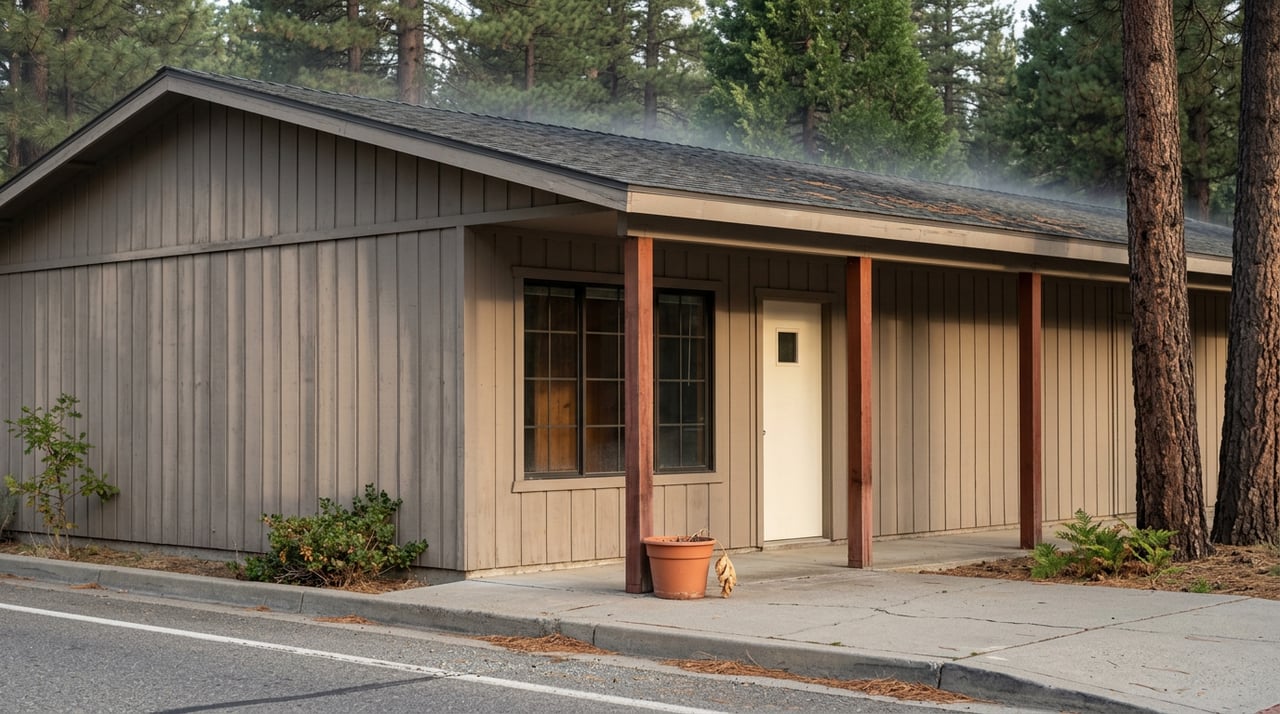
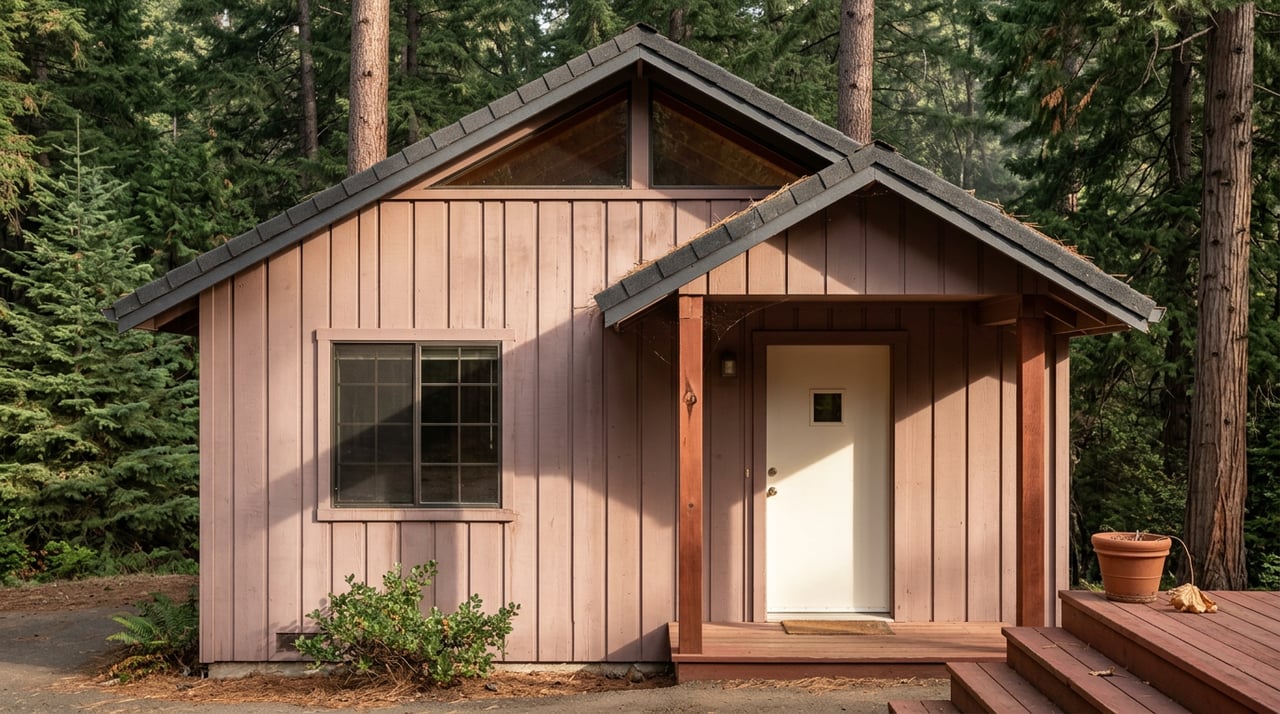
Cedarpines Park sits in the San Bernardino Mountains within the Rim of the World region. You will find a relaxed, low-density neighborhood of older cabins and newer mountain homes, with many second homes and weekend places in the mix. The vibe is simple and outdoorsy.
You are close to Crestline and Lake Gregory for lake days, and the San Bernardino National Forest surrounds you with trails and open space. Daily life is quieter than the valley below. For major shopping and medical specialists, most residents plan short trips to nearby mountain towns or the Inland Empire.
Location and local basics
Cedarpines Park is an unincorporated community. That means San Bernardino County handles things like land use, building permits, and many local services. You will work with county departments for projects, taxes, and inspections.
The setting is wooded and hilly, so lots often include trees and slopes. Expect a small-town commercial profile with local markets, cafes, and hardware stores in the broader area. Larger grocery stores and medical centers are not right around the corner, which is part of the tradeoff for the peace and quiet.
Lifestyle and recreation
Trails and forest access
You have year-round access to hiking, trail running, mountain biking, and equestrian routes in the San Bernardino National Forest. Winter brings snow play. Shoulder seasons are perfect for less crowded hikes and crisp air.
Lake days nearby
Lake Gregory Regional Park in nearby Crestline offers swimming, fishing, paddle rentals, and seasonal events. Families love the easy lake access and the classic mountain-lake feel.
Small-town amenities
You will find small shops, cafes, and local artisans in surrounding towns. Nightlife is limited. Community life leans into outdoor time, backyard gatherings, and seasonal events.
Seasonal rhythms
Summer weekends and holidays bring more visitors to the mountain towns. Winters can feel very quiet. You should have a snow plan and keep supplies on hand when storms roll through.
Remote work readiness
Internet options
Connectivity varies block by block in mountain neighborhoods. Some addresses have fixed wired broadband through providers like cable or DSL. Others rely on fixed wireless, satellite internet, or a cellular hotspot if the signal is strong enough. Terrain affects signal quality.
Plan to verify at the property rather than relying on maps alone. The most reliable approach is to use multiple checks:
- Ask for recent ISP bills and measured speeds from the seller.
- Run speed tests at different times of day inside likely work areas.
- Confirm options on the FCC Broadband Map and compare with local provider availability.
- Test voice and data on your carrier, and if possible, on a second carrier.
If you need a back-up, consider satellite or fixed wireless as a failover. Properties that are wired for reliable internet tend to have stronger resale appeal.
Utilities and home systems
Water and wastewater
Mountain homes often use community water districts, mutual water companies, or private wells. Septic systems are common where municipal sewer is not available. You should confirm the water provider, review water quality if on a shared system, and inspect the septic tank and leach field.
Power and heat
Electric service in the San Bernardino Mountains is typically provided by Southern California Edison. Natural gas lines may not extend into every neighborhood, so many homes use propane or electric heating. Ask for recent utility bills to understand operating costs.
Trash and recycling
Service is handled by county contracts or local haulers. Pickup frequency and access can be different from what you are used to in the city, especially on narrow roads or during storms.
Getting here and around
Mountain roads
Primary access routes connect the Rim communities to valley freeways. Roads are winding and grades can be steep. In winter, snow and ice are part of life. Keep chains in the car, and make sure your driveway and access road can be cleared reliably.
Commute expectations
If you plan to commute down the hill, travel times can be long and weather dependent. Many buyers choose Cedarpines Park for a part-time cabin or a full-time home paired with remote work and only occasional trips to the valley.
Airports
Ontario International Airport is the closest regional option for most travelers. Larger Los Angeles area airports are reachable with more drive time.
Safety, wildfire, and insurance
Wildfire reality
Living in or near the San Bernardino National Forest carries elevated wildfire exposure. You should check CAL FIRE Fire Hazard Severity Zone maps for your parcel and ask local fire officials about defensible space and home hardening.
Fire protection
Fire services are provided by the San Bernardino County Fire Protection District and related local resources. Response times can be longer than in cities. Make a plan for brush clearance, ember-resistant vents, and Class A roof materials whenever possible.
Insurance implications
Wildfire risk can affect homeowners insurance pricing and eligibility. Some buyers secure insurance through carriers with special wildfire underwriting. The best move is to get quotes early in the purchase process and understand any requirements for roof, siding, or vegetation management.
Cost of ownership
Taxes and assessments
You will pay San Bernardino County property taxes and any special district assessments that apply to the parcel, such as water or fire services. Confirm the breakdown with the county assessor before closing.
Ongoing costs
Plan for higher maintenance costs than a typical suburban home. Mountain ownership often includes roof and chimney upkeep, tree work, septic pumping, propane deliveries, and snow removal. Creating defensible space and routine tree management are recurring line items.
Rental potential and rules
Short-term rental demand exists in mountain communities. Rules vary by county and by subdivision. You should review county ordinances, any HOA covenants, and registration or transient occupancy tax requirements before planning to rent.
Buyer checklist for property visits
Bring this quick checklist to your tour. It will help you move from curiosity to commitment:
- Access and roads
- Check driveway slope, paving, and any tight switchbacks.
- Confirm who maintains the road and how snow removal works.
- Utilities and systems
- Identify the electric provider, water provider, and heating fuel.
- Review recent utility bills and any water quality notes if on a shared system.
- Verify septic inspection and pumping history.
- Inspect roof, chimney, insulation, and heating equipment.
- Internet and cell service
- Run speed tests at different times of day.
- Test calls and data for major carriers in your workspaces.
- Wildfire and safety
- Look at defensible space, vent screens, and roof materials.
- Check parcel fire severity status and ask about local inspections.
- Neighborhood and use
- Observe noise, privacy, and how close neighbors are.
- Review HOA or CC&R rules if applicable and any history of special assessments.
- Insurance and financing
- Obtain homeowner insurance quotes early.
- Ask your lender about any requirements for mountain cabins, septic, or wildfire zones.
Who Cedarpines Park fits
Cedarpines Park suits buyers who value forest quiet, cooler summer weather, and easy access to trails and lakes. It is a strong fit for weekenders and remote workers who can handle winter prep, longer drives for major shopping, and the practical work of maintaining a mountain home.
If you want a place that feels like a true retreat, yet still keeps you connected enough to work, this community belongs on your shortlist.
Work with a local guide
Buying or selling in the mountains is different. Local knowledge about roads, internet options, septic systems, wildfire readiness, and rental rules can protect your time and budget. Our boutique team lives and works here, and we combine neighborhood insight with hands-on service, pre-listing inspections, renovation advice, full buyer and seller representation, and integrated rental management if you want to lease your property.
Ready to learn which streets, lots, and homes will fit your goals and budget in Cedarpines Park? Reach out to Rosemarie Labadie for local guidance rooted in decades of San Bernardino Mountains experience.
FAQs
What is Cedarpines Park like day to day?
- It is a quiet, low-density mountain community with forest scenery, nearby trails, and small-town services, with major shopping and medical care found in larger nearby towns.
Is Cedarpines Park in a wildfire-prone area?
- It sits in or near the San Bernardino National Forest, so wildfire exposure is elevated; review CAL FIRE fire severity maps and plan for defensible space and home hardening.
Can I rely on internet for remote work here?
- Connectivity varies by street and provider; verify at the property with speed tests, ask for recent bills, and check availability through the FCC Broadband Map.
How tough are winters for access and driving?
- Expect snow and ice at times; inspect driveway slope, confirm snow removal, carry tire chains, and consider 4WD depending on your driveway and route.
Where are the nearest hospitals and big-box stores?
- Basic services are in nearby mountain towns, while major hospitals and larger retail are found down the hill in the Inland Empire, so plan for longer drive times.
Can I rent my Cedarpines Park home short-term?
- Short-term rental demand exists, but rules vary; confirm county ordinances, any HOA covenants, registration needs, and transient occupancy tax requirements before listing.