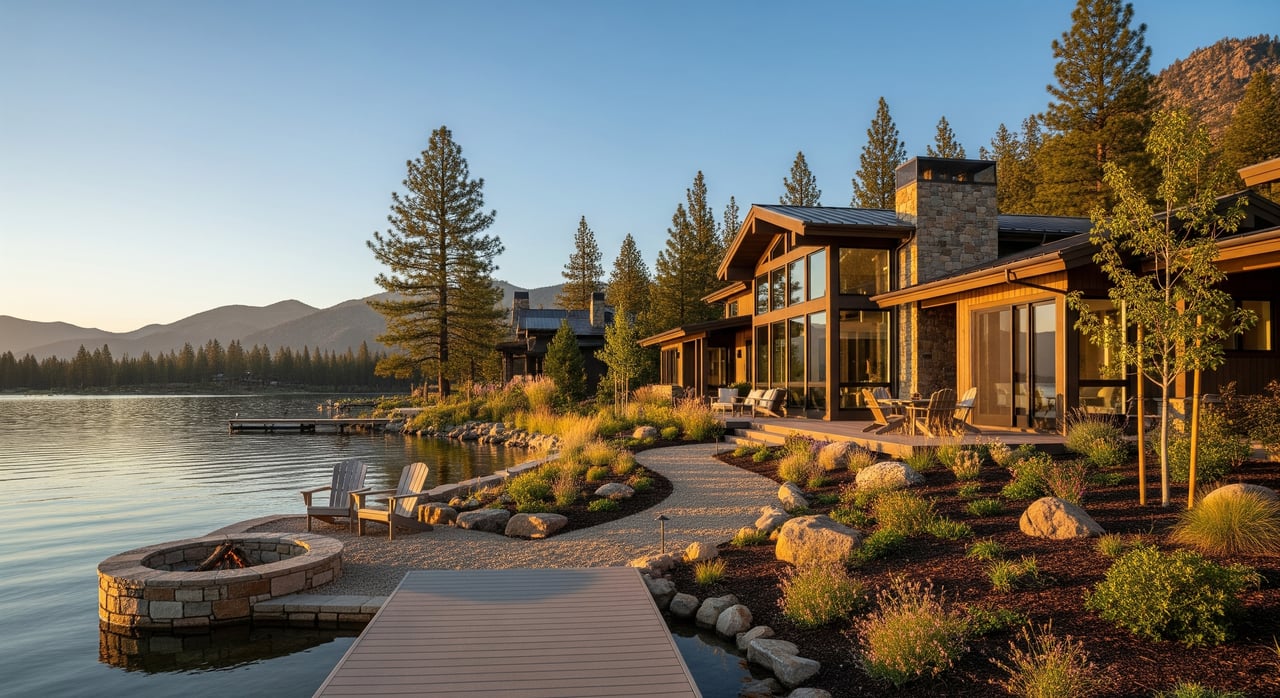
Buying a Crestline cabin and hearing the word “escrow” for the first time? You are not alone. Mountain purchases have a few extra moving parts, especially around wells, septic systems, wildfire insurance, and winter access. This guide breaks down what escrow means in California, how the process works in Crestline, and what to do at each step to keep your closing on track. Let’s dive in.
What escrow means in California
Escrow is a neutral third party that holds your funds and coordinates all the documents required to transfer the home from seller to buyer. The escrow holder follows written instructions from you, the seller, and your lender to make sure all conditions are met before recording the deed and releasing money.
Here is who does what:
- Buyer: deposits earnest money, completes inspections, satisfies loan requirements, signs closing documents, and brings final funds.
- Seller: provides required disclosures, clears title issues, and signs the deed and closing paperwork.
- Escrow officer: opens escrow, holds money, prepares settlement statements, coordinates signatures, orders payoffs, and arranges recording with the county.
- Title company: provides the preliminary title report, helps resolve title defects, and issues title insurance policies.
- Lender: orders the appraisal, issues loan approval with conditions, sends loan documents to escrow, and funds the loan at closing.
- Real estate agents: negotiate terms, guide inspections and contingency removals, and help keep everyone on schedule.
- County Recorder: records the deed and mortgage when all conditions are complete.
Common documents you will see include the purchase agreement, preliminary title report, seller disclosures, contingency removal forms, your Closing Disclosure if you have a loan, the settlement statement, and the grant deed and deed of trust.
Step-by-step escrow timeline in Crestline
In California, a typical escrow lasts about 30 days, with 30 to 45 days also common. Cash deals can close faster. Mountain properties sometimes need a bit more time for inspections, insurance, or title cleanup.
Day 0: Offer accepted
- Buyer and seller sign the purchase agreement.
- The listing agent or buyer’s agent opens escrow and shares deposit instructions.
Days 1–3: Open escrow and deposit earnest money
- You wire your earnest money per escrow instructions.
- Escrow issues a receipt and orders the preliminary title report.
- You receive seller disclosures.
Days 3–10: Inspections and first contingencies
Schedule inspections as early as possible. For Crestline cabins, common inspections include:
- General home inspection
- Roof, chimney, and fireplace
- Pest and wood-destroying organisms
- Septic system inspection and well water testing if applicable
- Structural or soils review for hillside lots
- Wildfire and defensible-space review where relevant
If you are financing, your lender may order an appraisal during this window.
Days 10–21: Responses, negotiations, and title review
- You review reports and either remove the inspection contingency or request repairs or credits.
- Title flags any easements, liens, or access issues. The seller and escrow work on clear title.
Days 15–30: Appraisal and loan underwriting
- The appraiser visits the property and completes the report for the lender.
- Underwriting reviews your file and clears loan conditions.
- You secure homeowners insurance. In wildfire-prone areas, shopping early can prevent last-minute delays.
Final days: Sign, fund, and record
- Escrow prepares your final settlement statement and coordinates signing.
- You wire final funds and the lender funds the loan.
- Escrow records the deed and mortgage with the San Bernardino County Recorder, then disburses funds and delivers keys.
Contingencies you should expect
- Inspection contingency. Lets you inspect and negotiate repairs or credits.
- Loan contingency. Your purchase depends on loan approval.
- Appraisal contingency. If the appraisal is below the contract price, you and the seller decide how to move forward.
- Title contingency. You can review title and require clear title at close.
- HOA review. If the home is in an association, you review CC&Rs and docs.
- Hazard disclosures. In California, you receive Natural Hazard Disclosures that cover fire, flood, and other mapped risks.
Mountain-specific issues to check early
Local conditions can affect timing and approvals. Tackle these items right away.
Septic and well systems
Many mountain cabins have septic systems and some have private wells. Lenders often require septic inspections and water testing. If there are missing permits or a failing system, you may need county approvals. Check records with San Bernardino County Environmental Health Services.
Wildfire risk and insurance
Crestline sits in a forested area where insurers may have stricter requirements. Some homes need defensible space or certain fire-resistant features to be insurable. Start quotes early and ask your insurer what is required. For local guidance on defensible space and fire safety, visit the San Bernardino County Fire Department.
Access, snow, and road maintenance
Winter conditions can affect inspections and closings. Confirm whether access roads are public or private and who handles plowing. If roads are private, look for a recorded road maintenance agreement in the title report.
Permits and unpermitted work
Older cabins sometimes have additions or decks built without permits. Lenders and insurers may require remediation or documentation. Check permits with San Bernardino County Building and Safety.
Utilities and off-grid features
Ask about propane tanks, generators, or partial off-grid systems. Confirm utility providers and transfer steps. This can affect underwriting and insurance.
Special assessments and taxes
Review the preliminary title report for local district assessments or special taxes. For parcel details and assessment information, see the San Bernardino County Assessor-Recorder-Clerk.
Common delays and how to avoid them
Frequent slowdowns in mountain escrows include insurance approval, septic or well issues, title defects, appraisal value shortfalls, and document delays for out-of-area signers. You can stay ahead with a few practical moves:
- Choose an escrow and title team experienced with mountain properties.
- Order inspections immediately and prioritize septic, well, roof, pest, and chimney.
- Start insurance shopping early and disclose the property is in a wildfire area.
- Review the preliminary title report as soon as you receive it.
- Use wire-safe practices. Confirm wiring instructions by calling your escrow officer on a trusted number. Learn more at the Consumer Financial Protection Bureau.
- If you are remote, arrange a plan for notarization and any required in-person signing.
Who pays what at closing
Closing costs are negotiable, but these are common patterns in California:
- Seller often pays real estate commissions and may pay for the owner’s title policy depending on local custom.
- Buyer often pays lender fees, appraisal, escrow and recording fees per contract, and the lender’s title policy.
Always review your contract and the final settlement statement. If you have a loan, compare your lender-issued Closing Disclosure to the settlement statement prepared by escrow.
Quick checklists
Buyer checklist
- Pre-approval or proof of funds
- Earnest money deposit and plan for closing funds
- Select a local escrow and title team
- Schedule general, pest, septic, well, roof, and chimney inspections quickly
- Start homeowners insurance quotes right away
- Send lender documents promptly
- Review the preliminary title report and ask questions early
Seller checklist
- Deed, mortgage payoff, and property tax records
- Required California disclosures, including the Natural Hazard Disclosure
- HOA documents and any road maintenance agreements, if applicable
- Coordinate repair access and provide documentation for known issues
- Work with escrow and title to clear liens and confirm payoff figures
Who to contact for official information
- Recording and parcel records: San Bernardino County Assessor-Recorder-Clerk
- Permits and inspections: San Bernardino County Building and Safety
- Septic and well questions: San Bernardino County Environmental Health Services
- Defensible space and fire safety: San Bernardino County Fire Department
- California consumer guidance: California Department of Real Estate, California Association of REALTORS®, and the National Association of REALTORS®
For recording procedures, the county posts timelines and requirements through the Recorder’s Office. Always verify current forms and fees directly with the county.
Ready to buy in Crestline?
If you want a smooth, mountain-smart closing, work with a local team that knows Crestline’s roads, fire rules, and cabin systems. We guide you step by step, prioritize the right inspections, and help you avoid common delays so you can get to the lake faster. Schedule a free home consultation with our local mountain experts at Unknown Company.
FAQs
Who opens escrow in a Crestline home purchase?
- Either party can open escrow. The purchase agreement usually specifies who opens it, and the listing agent often initiates escrow after acceptance.
How long does escrow take for a mountain cabin?
- About 30 days is typical in California, with 30 to 45 days common. Cash purchases can close faster, while title or insurance issues can add time.
What contingencies should I expect as a buyer?
- Expect inspection, loan, appraisal, and title contingencies, plus HOA document review if there is an association and hazard disclosures for wildfire and other risks.
What if the appraisal comes in below my contract price?
- Options include negotiating a price reduction, paying the difference, disputing the appraisal with your lender, or canceling if your contingency allows.
How are closing costs split between buyer and seller?
- Customs vary by contract. Sellers often pay commissions and may cover the owner’s title policy. Buyers often pay lender fees, appraisal, escrow, and recording costs.
Which inspections matter most for Crestline cabins?
- General, roof, chimney and fireplace, pest, septic, and well inspections are common. Structural or soils reviews and wildfire readiness checks are also helpful.
What if I cannot secure homeowners insurance in a wildfire area?
- Start early, use a broker who knows high-risk properties, and complete any required mitigation. Insurance is required by lenders and can delay closing.
What title issues are common in mountain communities?
- Easements for access or utilities, old liens, unpermitted additions, and unclear road maintenance agreements are frequent. Address them as soon as the preliminary title report arrives.
Who records the deed and when do I become the owner?
- Escrow submits the deed for recording with the San Bernardino County Recorder at closing. When it records and funds disburse, you become the owner.
How do I protect my funds from wire fraud during escrow?
- Always confirm wiring instructions by phone using a trusted number for your escrow officer and never rely only on email. See the Consumer Financial Protection Bureau for tips.