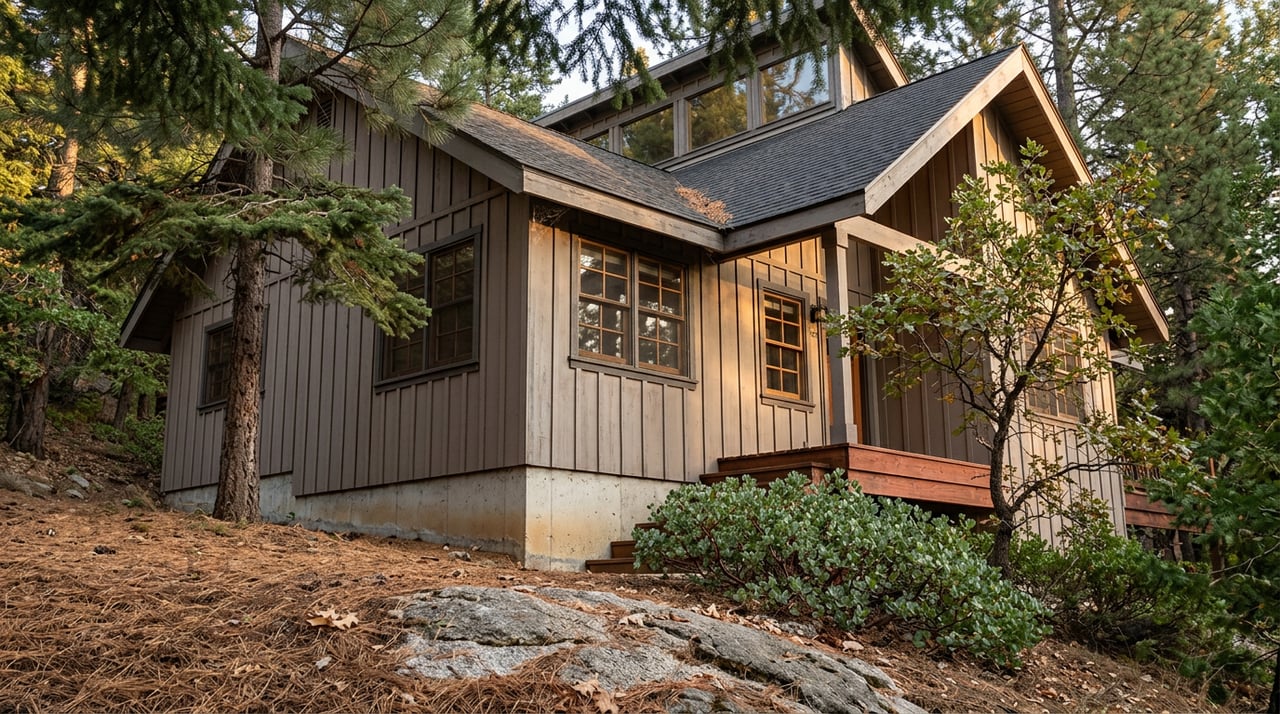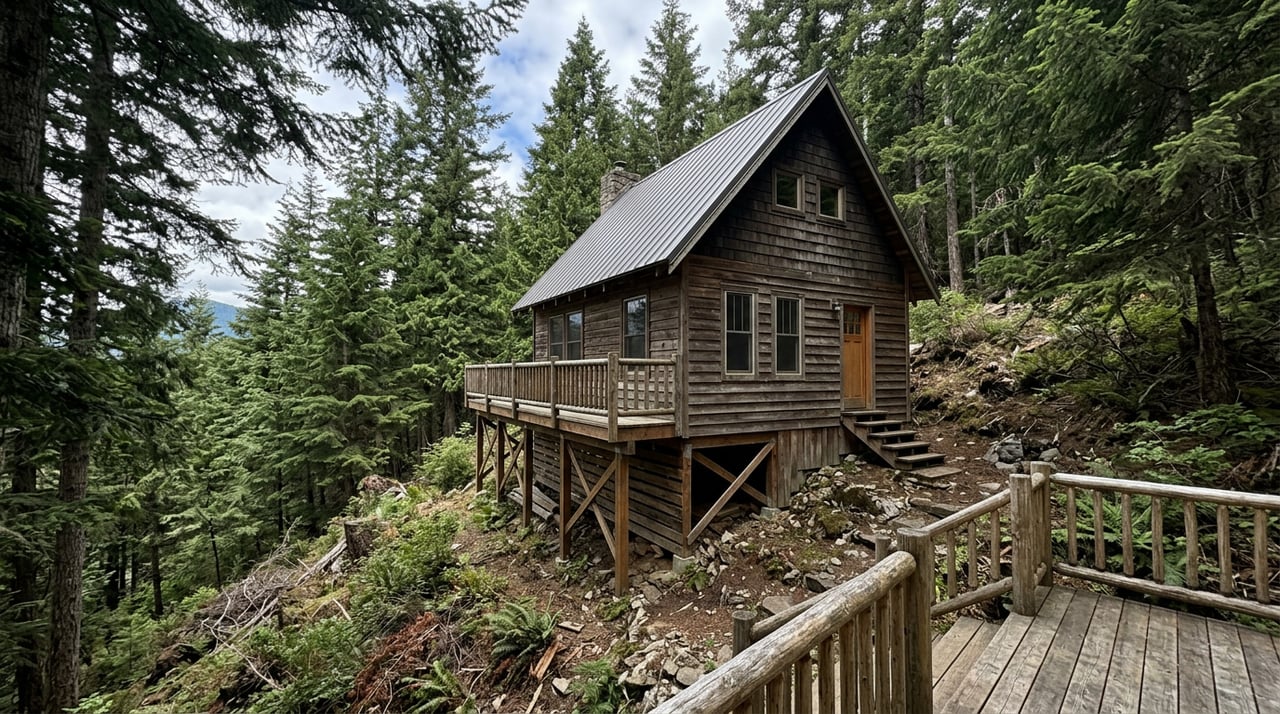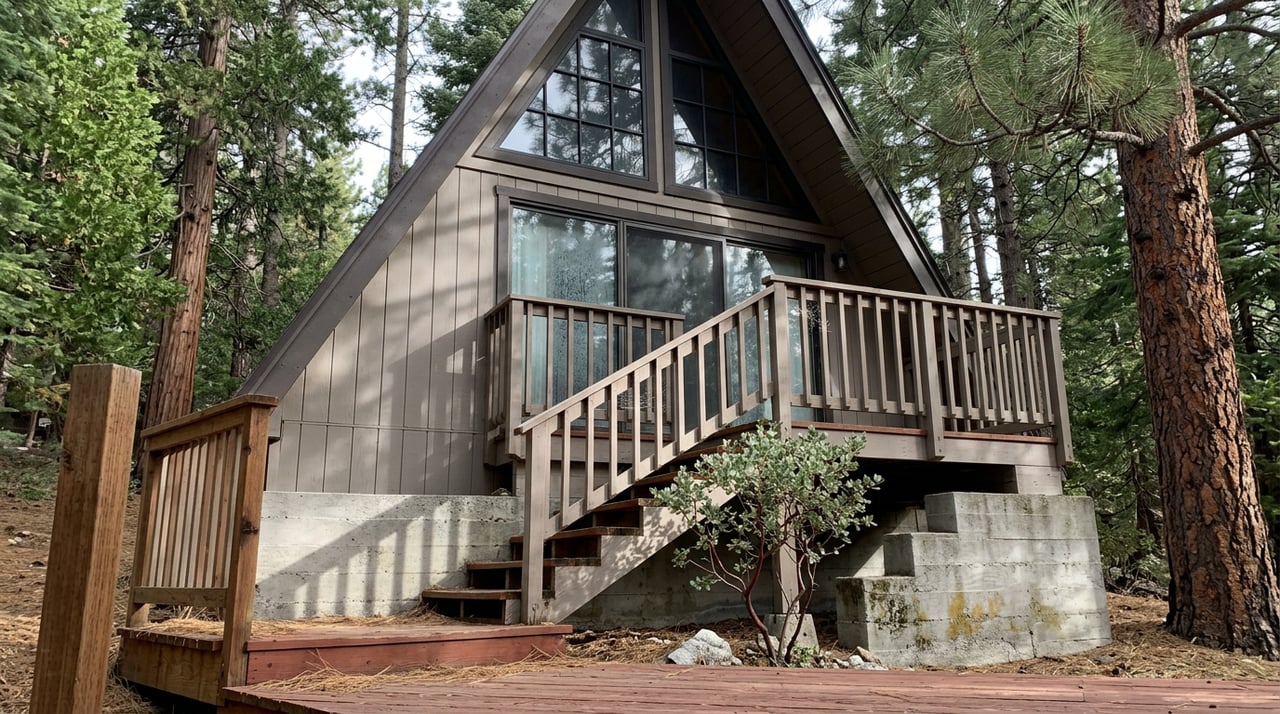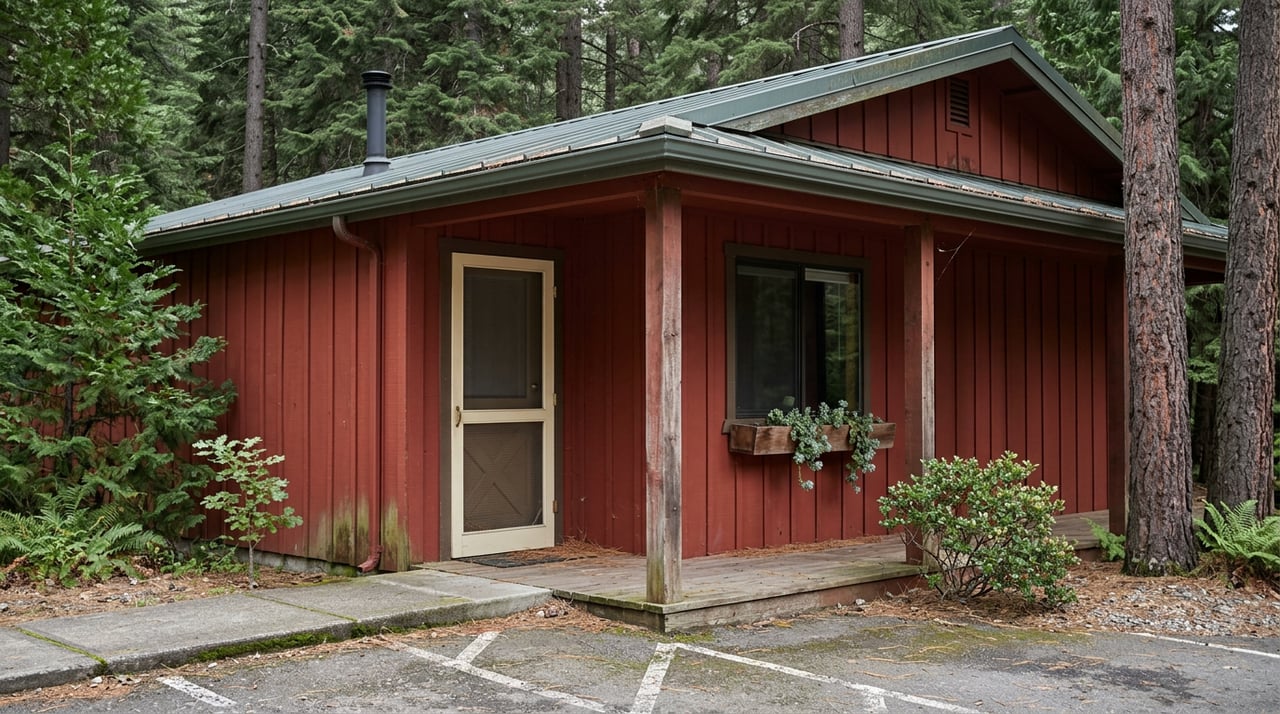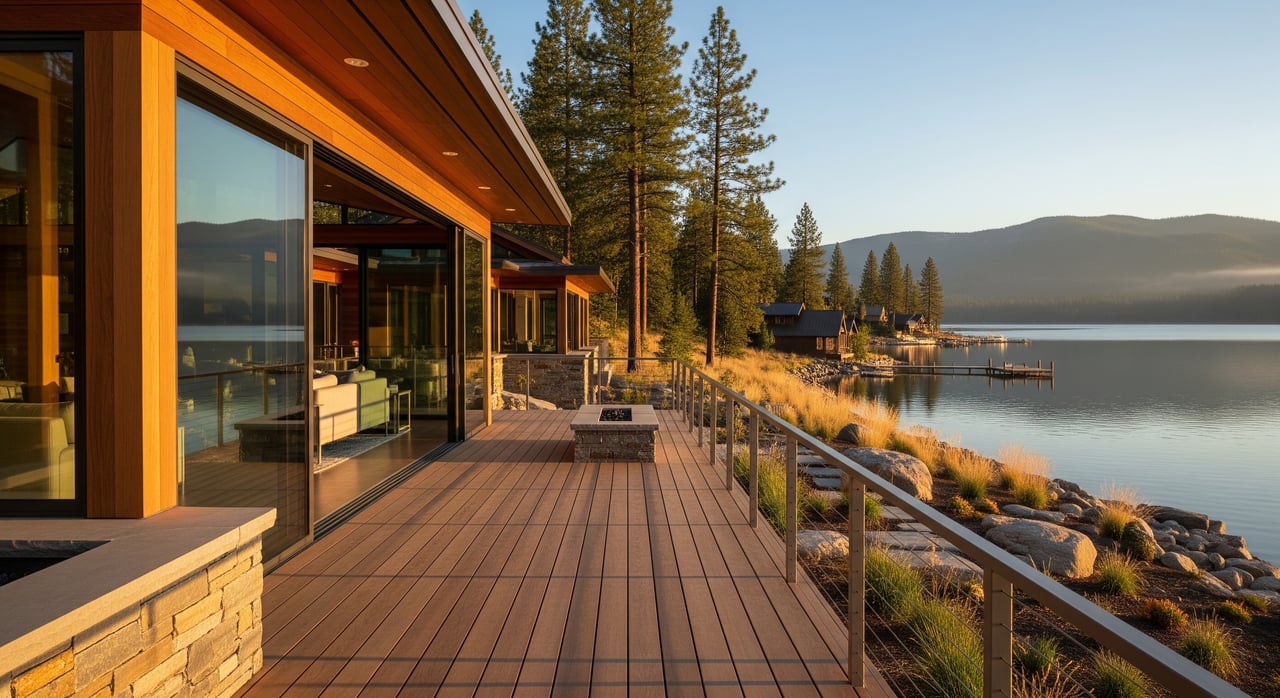
Thinking about buying a mountain cabin or single-family home in Crestline? You are not alone. Crestline attracts both full-time residents and second-home buyers who want lake days, tall pines, and a slower pace. In a small market like ours, smart timing, clear priorities, and local know-how can make the difference between landing your place and missing out. In this guide, you will learn how to read Crestline market trends, what price tiers look like, when listings move fastest, and the mountain-specific factors that affect insurance, inspections, and timelines. Let’s dive in.
How to read Crestline data
Crestline is a smaller, mountain market with fewer sales each month. That means single high-end or unique sales can swing the median price. To get a true picture, focus on 3- to 6-month rolling trends for median price, price per square foot, and days on market.
Watch these metrics closely:
- Active inventory. Low inventory can mean tighter competition. Higher inventory usually gives you more negotiating power.
- New listings. Count how many hit each week, especially in spring and summer. That signals choice and momentum.
- DOM and sale-to-list ratio. Shorter DOM paired with sale-to-list at or above 100 percent can indicate buyer competition. If ratios dip below 98 percent, you may have room to negotiate.
Always compare similar properties. Cabins and larger single-family homes trade differently, so align features, size, and location when reviewing comps.
Price tiers buyers see
Entry tier
- What you will find: smaller cabins, older builds, one-bath layouts, steeper lots, limited parking, and fewer updates.
- Buyer appeal: lower purchase prices that suit first-time buyers, investors, or handy buyers.
- Speed: clean and “turnkey” entry cabins with reasonable access can move quickly. Fixers or homes with tough access can sit.
Mid-market
- What you will find: two- to three-bedroom homes, cosmetic updates, better insulation and heating, usable driveways, and convenient access to Lake Gregory or main roads.
- Buyer appeal: the best balance of livability and affordability for full-time and second-home buyers.
- Speed: often the fastest-moving tier when priced correctly and well presented.
Upper and premium
- What you will find: lake proximity or views, larger square footage, multiple decks, quality finishes, and level parking. Some offer acreage or standout lifestyle features.
- Buyer appeal: buyers seeking a primary mountain residence or a higher-end vacation home.
- Speed: rare features sell fast if priced right. Overpriced listings can linger due to a smaller buyer pool.
Features that add a premium
- Proximity or views of Lake Gregory.
- Flat or level parking and easy year-round access.
- Fire-hardening, defensible space, and documented system upgrades.
Seasonality and timing
Crestline follows a seasonal rhythm:
- Spring (late March to June). Inventory usually builds as weather improves. You see more choice and more buyers.
- Summer (June to August). Peak interest from vacation and family buyers. Good listings can go quickly, especially on weekends.
- Fall (September to November). Activity moderates but deals still happen. Some sellers list to capture post-summer buyers.
- Winter (December to February). Showings can slow with holidays and road conditions, though snow can also attract cabin shoppers. Some sellers price to move before weather complicates access.
Out-of-area buyers often tour on weekends and holiday breaks. That can create short decision windows. If a property fits your must-haves, be ready to write promptly.
What sells fast here
Homes that check these boxes tend to move quickly:
- Turnkey condition with updated kitchens, baths, roof, and heating.
- Flat parking, usable driveway, and easy access in all seasons.
- Lake proximity or a quality view.
- Fire-hardening and clean defensible space.
- Clear permit history and strong system documentation.
- Pricing aligned with recent local comps for similar properties.
What can slow a sale
Be cautious with:
- Steep or challenging access, limited parking, or long walks to the entry.
- Deferred maintenance on roofs, decks, retaining walls, or systems.
- Septic or private well issues without documentation.
- Unresolved title or permit history concerns.
- Pricing that ignores recent comparable sales.
Insurance, wildfire, and access
Wildfire exposure is a key factor in mountain markets. You should review risk, plan for mitigation costs, and get insurance quotes early.
- Map the risk. Check official Fire Hazard Severity Zone maps using the CAL FIRE FHSZ viewer. This helps set expectations for mitigation and insurance.
- Understand coverage. The California Department of Insurance’s wildfire resources explain policy options, nonrenewals, and consumer rights.
- Know the backup option. The California FAIR Plan can provide basic fire coverage if traditional carriers are not available. Many owners pair FAIR Plan fire coverage with a separate differences-in-conditions policy for other risks.
Access matters too. In winter, you may face snow and ice on roads and driveways. Budget for snow removal, and prioritize homes with safe, manageable access and parking. If you commute or travel often, factor winter conditions into your location choice.
Inspections and contingencies that matter
Mountain homes have unique systems and site conditions. Build extra diligence into your offer and timeline.
Key inspection focus areas:
- Fire readiness and defensible space status.
- Roof, chimney, and ember-resistant features.
- Driveway slope, road access, and any retaining walls or hillside stability.
- Heating, plumbing, and older water lines with freeze risk.
- Pest inspections, especially for wood-destroying organisms.
- Septic evaluations if applicable and verification of sewer or water provider.
- Title review for easements, rights-of-way, or prior unpermitted work.
Plan for timelines:
- Inspection period. Consider a slightly longer window than in urban markets, often 10 to 17 days depending on market speed.
- Insurance approval. Get quotes early and include time to secure coverage.
- Appraisal. Unique cabins can need more comps and time. Ask your lender to use an appraiser familiar with mountain properties.
For permit questions and code requirements, consult San Bernardino County Land Use Services.
Your buying game plan
Use this step-by-step approach to move with confidence:
- Define must-haves and nice-to-haves. Put parking, year-round access, and heating systems at the top of the list.
- Track 3- to 6-month trends. Look at inventory, new listings per week, and DOM to decide how fast to act.
- Get pre-approved and start insurance quotes early. Wildfire exposure can affect timing and cost.
- Tour with local context. Visit on weekends if you are out of area, but be ready for short decision windows.
- Inspect for mountain-specific issues. Roof, chimney, retaining walls, septic, heating, and defensible space are priority checks.
- Align your offer with comps. Match similar home types and locations to support price and appraisal.
- Build smart contingencies. Allow a bit more time for appraisal and insurance when needed.
When you are ready to start, work with a local, hands-on team that knows Crestline’s neighborhoods, roads, and cabins inside and out. If you want clear guidance and a mountain-savvy plan from search to keys, reach out to Rosemarie Labadie.
FAQs
How long does it take to find a Crestline cabin?
- It depends on your budget and must-haves. Expect more options and quicker matches in spring and summer, while tight budgets or very specific features can extend the search.
Do buyers often pay over list price in Crestline?
- Sometimes. Turnkey homes with good parking near Lake Gregory or easy access can draw multiple offers. In slower periods or higher inventory, you may have room to negotiate.
Are appraisals harder for Crestline’s mountain homes?
- They can be. Unique cabins and fewer nearby comps can extend timelines. A lender and appraiser with mountain market experience helps reduce risk.
How much should I budget for wildfire mitigation?
- Costs vary by lot size and current conditions. Many buyers plan for an initial defensible space cleanup and ongoing vegetation maintenance, plus targeted upgrades like ember screening.
Can I buy a Crestline home remotely?
- Yes. Many out-of-area buyers use local agents for virtual tours and escrow tasks. Plan for in-person or third-party inspections before removing contingencies.