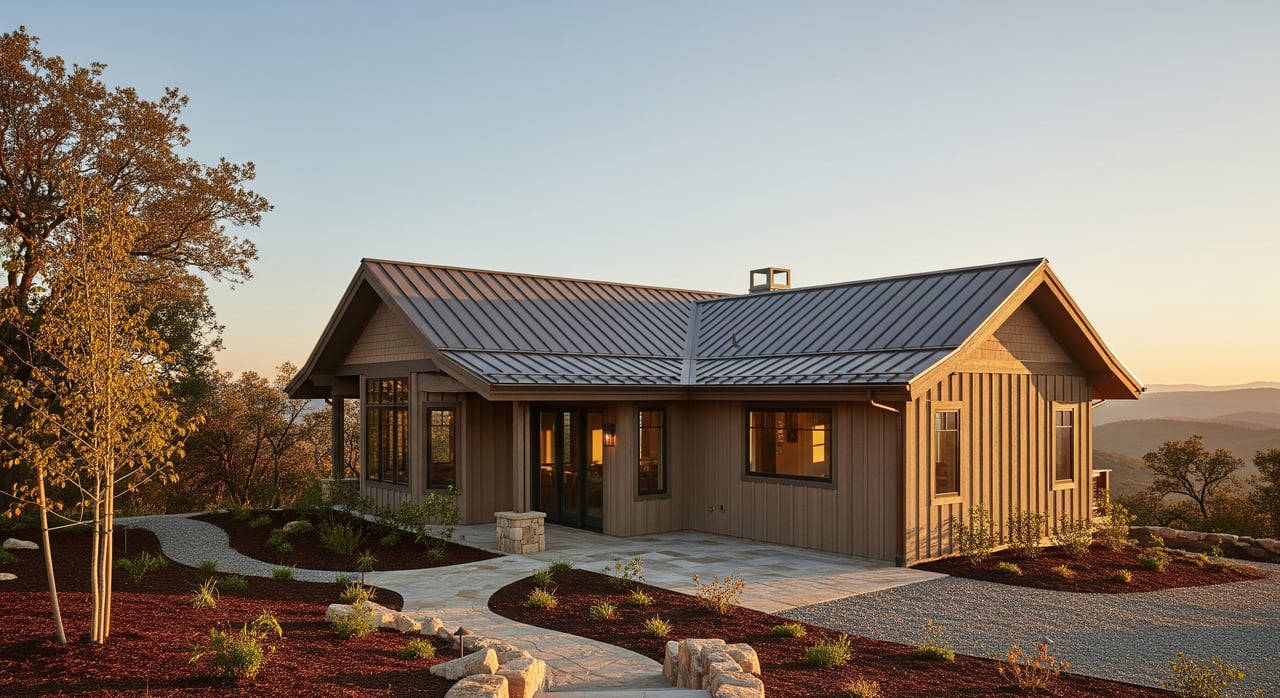
In Rimforest, a few flying embers can decide whether a cabin survives a wildfire. If you own a weekend getaway or live here full time, you want clear, practical steps that fit a mountain budget. This guide gives you a prioritized plan for fire‑hardening, how new rules may affect landscaping, what may need permits, and where to find local help. Let’s dive in.
Why Rimforest cabins face risk
Rimforest sits around 5,600 feet in mixed conifer forest, where winds can push ember storms across neighborhoods. The terrain and seasonal Santa Ana events increase exposure to fast‑moving fire and embers that travel far ahead of flames. For local context on the community and setting, see the overview of Rimforest in the San Bernardino Mountains.
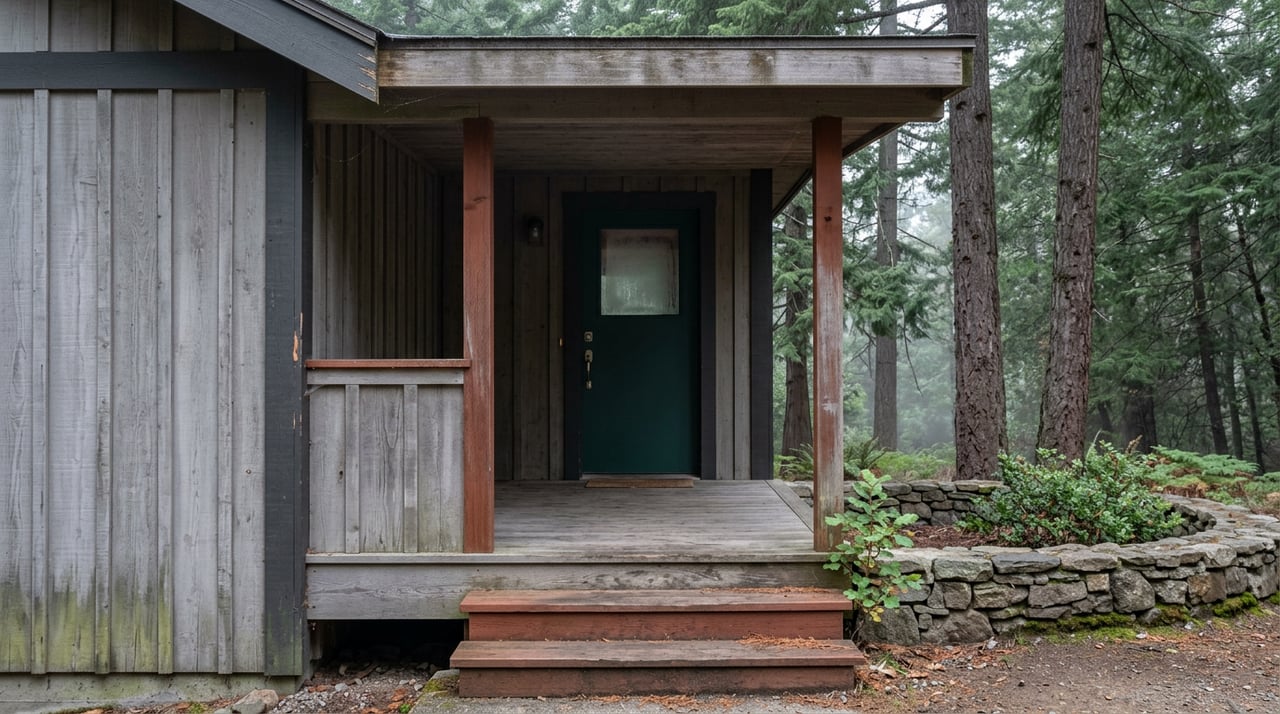
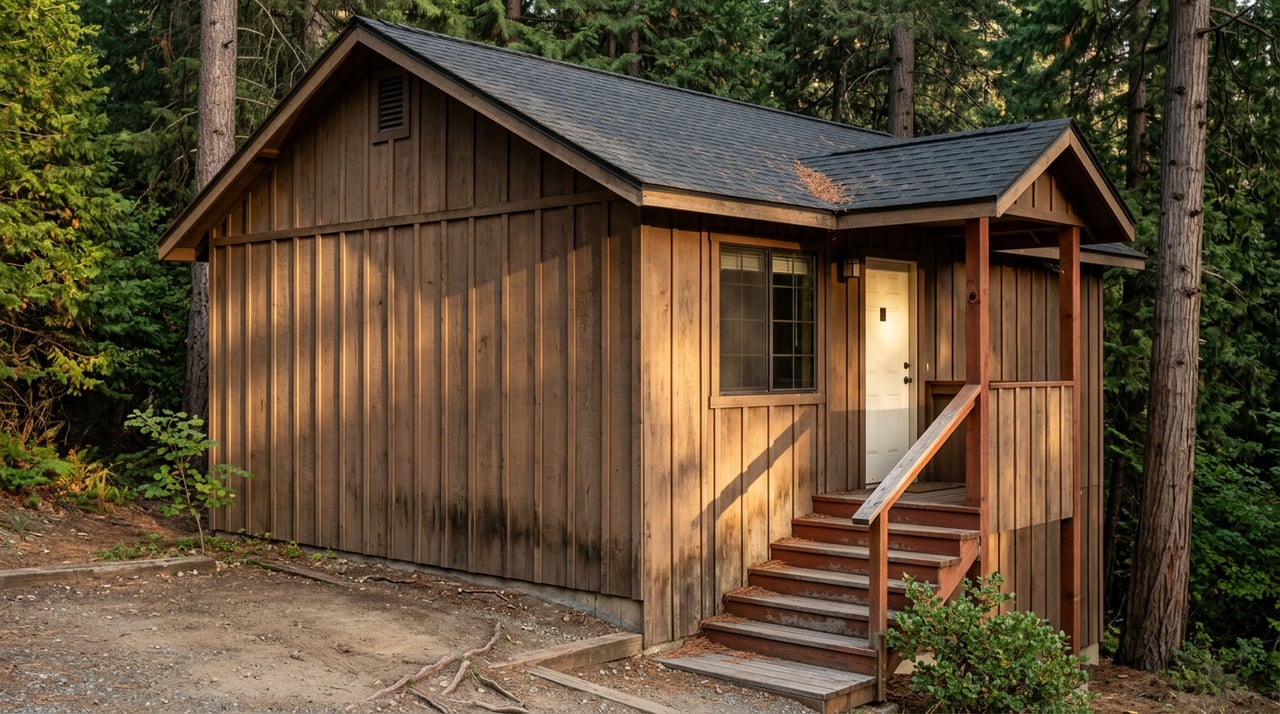
Many cabins share features that make ignition more likely: older roofs, open eaves, deck‑to‑wall gaps, and flammable materials within a few feet of walls. These are the areas CAL FIRE highlights in its home hardening guidance.
Start with high‑impact fixes
These upgrades deliver the most protection per dollar. Tackle them first.
Upgrade to a Class A roof
If your roof is wood shake or very aged, replacing it with Class A materials like metal, tile, or Class A asphalt shingles is the single largest improvement. Pay attention to roof valleys, flashing, and ridge caps because embers collect there. Plan for a building permit and professional installation.
Install ember‑resistant vents and seal gaps
Swap attic, crawlspace, and soffit vents for ember‑resistant models or cover them with 1/16 to 1/8 inch corrosion‑resistant metal mesh. Seal around roof penetrations and utility openings to block ember entry.
Enclose open eaves
Box in exposed rafters and soffits with noncombustible or ignition‑resistant materials. This reduces ember intrusion into attic spaces.
Clean gutters and add metal guards
Needles and leaves in gutters are easy fuel. Keep roofs and gutters clear, then add metal gutter guards to prevent buildup.
Strengthen walls, windows, decks
After the top fixes, improve the envelope and attachments.
Upgrade windows and exterior doors
Dual‑pane, tempered glass is far more resistant to heat. Fit tight weather‑stripping and ember‑resistant screens. Well‑sealed frames reduce ember entry.
Repair siding and trim
Replace rotten boards and caulk gaps. If you are re‑siding, consider ignition‑resistant options such as fiber‑cement, stucco, or metal, especially the lower wall area.
Reduce deck ignition paths
Use ignition‑resistant materials when replacing decking. Keep the area under and around decks free of stored items and cover soil with noncombustible material. Install metal flashing where decks meet walls.
Add or maintain spark arrestors
Chimneys and stovepipes should have code‑compliant spark arrestors and proper clearances.
Create defensible space zones
Good yard layout keeps flames and embers from reaching your walls.
Zone 0, 0–5 feet
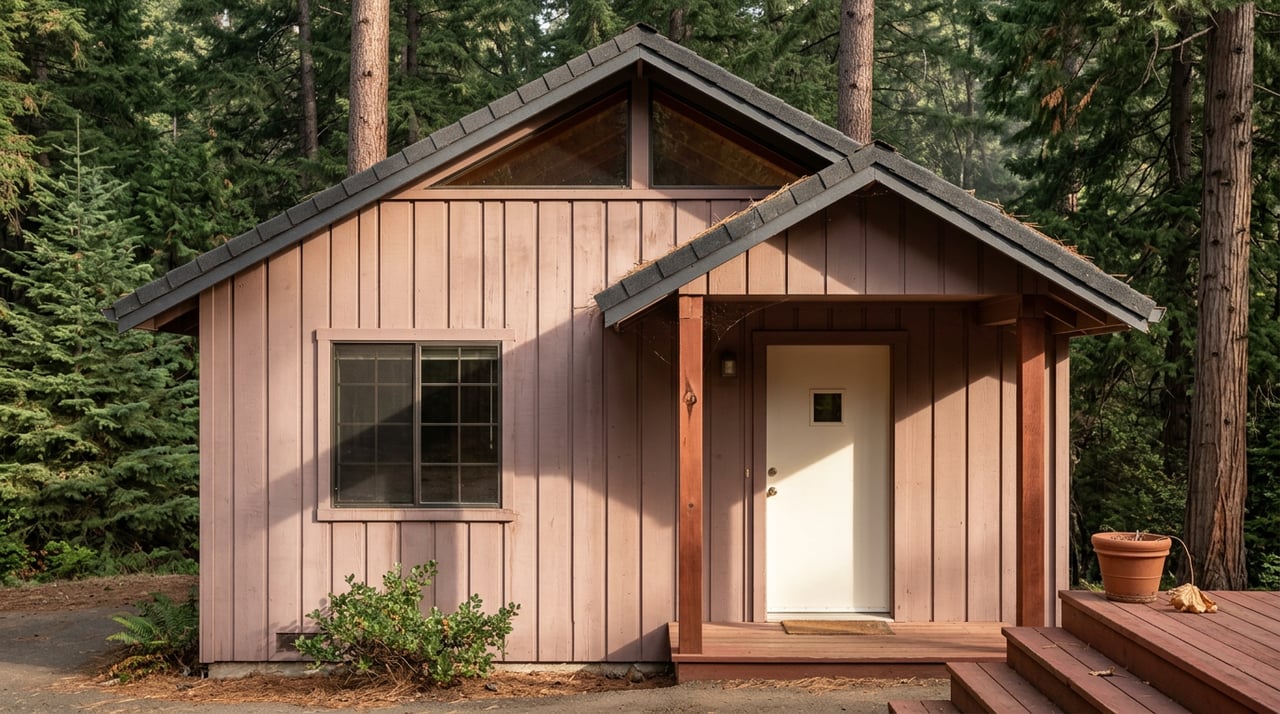
California is finalizing “Zone 0” rules that aim to keep the first 5 feet ember‑resistant by limiting combustibles next to structures. Follow updates from the California Board of Forestry’s Zone 0 project. Use rock, concrete, or other noncombustible materials next to walls. Remove doormats, mulch, and potted plants under eaves.
Zone 1, 5–30 feet
Thin out shrubs, prune lower tree branches, and remove ladder fuels. Keep this area lean, clean, and green where possible.
Zone 2, 30–100 feet
Reduce fuel density and remove dead and down material. Maintain spacing so fire cannot easily climb or spread.
Move fuels and improve access
- Relocate firewood, propane tanks, and vehicles outside Zones 0 and 1. Farther is better when space allows.
- Make sure your address is visible from the road and that driveways allow engine access. Trim back brush along access routes.
- If water is limited, consider a reliable on‑site supply and portable pumps. This supports suppression efforts.
Permits, timing, and budget
Some work, like reroofing or major deck or siding changes, usually requires permits. Before you start larger projects, coordinate with your local fire prevention office at San Bernardino County Fire.
Here is a simple phasing plan:
Weekend wins, low cost
- Clean roofs and gutters, remove debris in roof valleys.
- Clear the 0–5 foot area, move doormats and potted plants away from walls.
- Install metal mesh over existing vents and seal exterior gaps.
Seasonal projects, moderate cost
- Replace standard vents with ember‑resistant models.
- Add metal gutter guards and flashing at deck‑to‑wall joints.
- Trim ladder fuels and maintain Zones 1 and 2.
Major upgrades, higher cost
- Replace a non‑Class A roof with Class A materials.
- Upgrade to dual‑pane tempered windows and ignition‑resistant siding.
- Rebuild older decks with ignition‑resistant materials and proper clearances.
Insurance savings and programs
California’s Department of Insurance created the Safer from Wildfires framework so insurers can recognize documented mitigation. Some carriers offer discounts for verified upgrades, and proof of work helps underwriting. Review the state’s update on mitigation and insurance recognition in the Department of Insurance announcement. Third‑party verification, such as IBHS programs, can strengthen your file with carriers. Explore the latest from IBHS.
Save receipts, take before‑and‑after photos, and keep product approvals. Share this documentation with your insurance agent when you request credits.
Local resources
- CAL FIRE: Home hardening and defensible space checklists — statewide guidance
- California Board of Forestry: Zone 0 rulemaking — project updates
- San Bernardino County Fire: Prevention and local stations — contact page
- Mountain Rim Fire Safe Council: Regional fuels projects for Crestline–Lake Arrowhead–Rimforest — CEQA project info
Ready to harden your cabin?
Fire‑hardening protects your cabin, supports insurance, and adds confidence for buyers when the time comes to sell. If you want a cabin‑specific plan or guidance before listing or renting, let’s talk about a practical, phased approach that fits your budget and timeline. Connect with Rosemarie Labadie for local, renovation‑aware advice.
FAQs
What should a Rimforest cabin owner do first for fire safety?
- Clear roofs and gutters, remove combustibles in the first 5 feet, and install ember‑resistant vent screening. These steps reduce the most common ignition paths.
How will California’s Zone 0 rules affect landscaping next to my cabin?
- The state is finalizing rules that aim to keep the 0–5 foot area ember‑resistant, which generally means using noncombustible materials near walls and limiting plants under eaves; watch the Board of Forestry for updates.
Do I need permits for roof, siding, or deck work in San Bernardino County?
- Many structural changes, like reroofing or major deck and siding work, typically require permits; confirm details with San Bernardino County Fire’s prevention office before starting.
Can hardening my Rimforest cabin lower my insurance premium?
- Some insurers offer credits when you document upgrades that align with the Safer from Wildfires framework or third‑party verification, though discounts and availability vary by carrier.
Where can I find help with chipping or hazardous tree removal near Rimforest?
- Local Fire Safe Councils in the Rim of the World area run fuels projects and chipping days when funding is available; check regional announcements and council calendars.