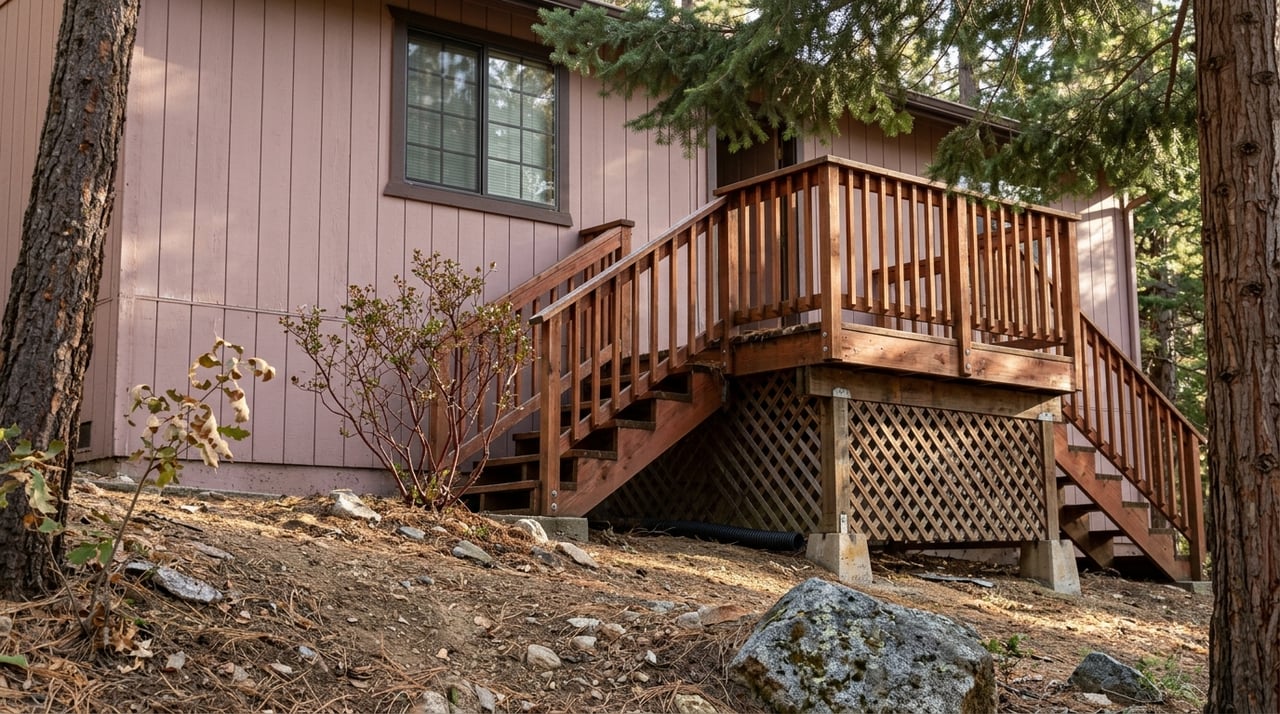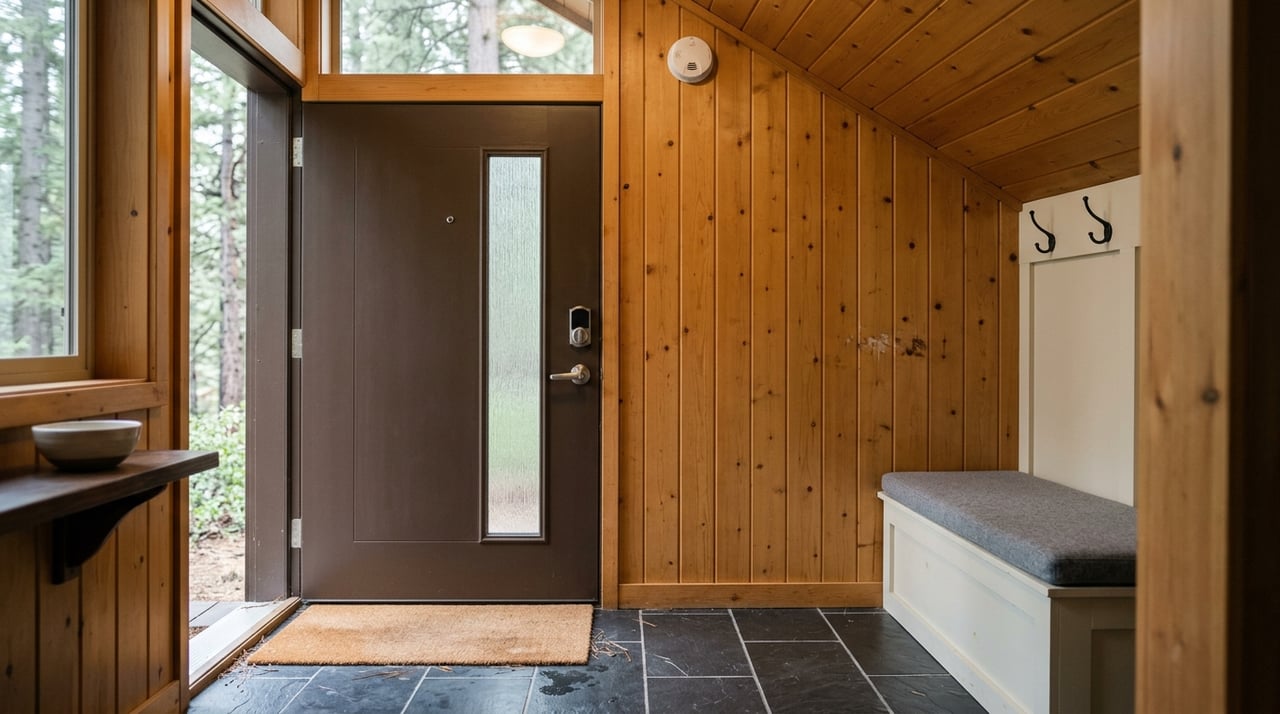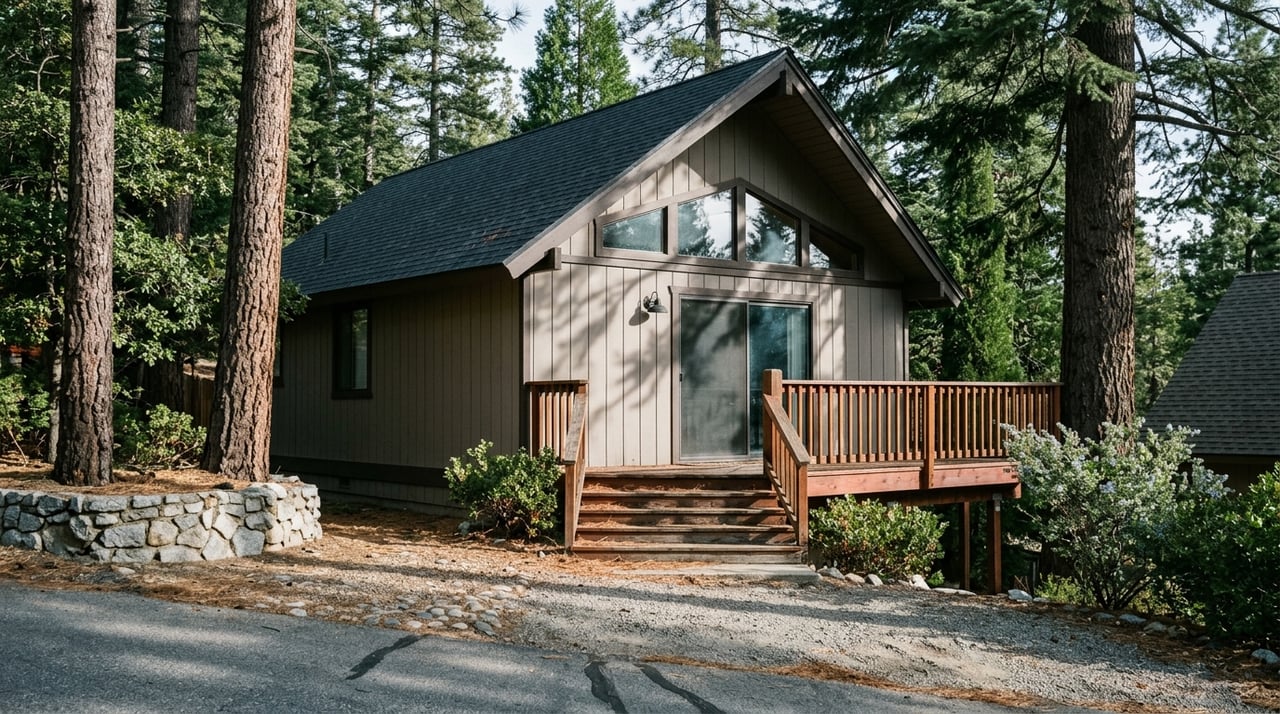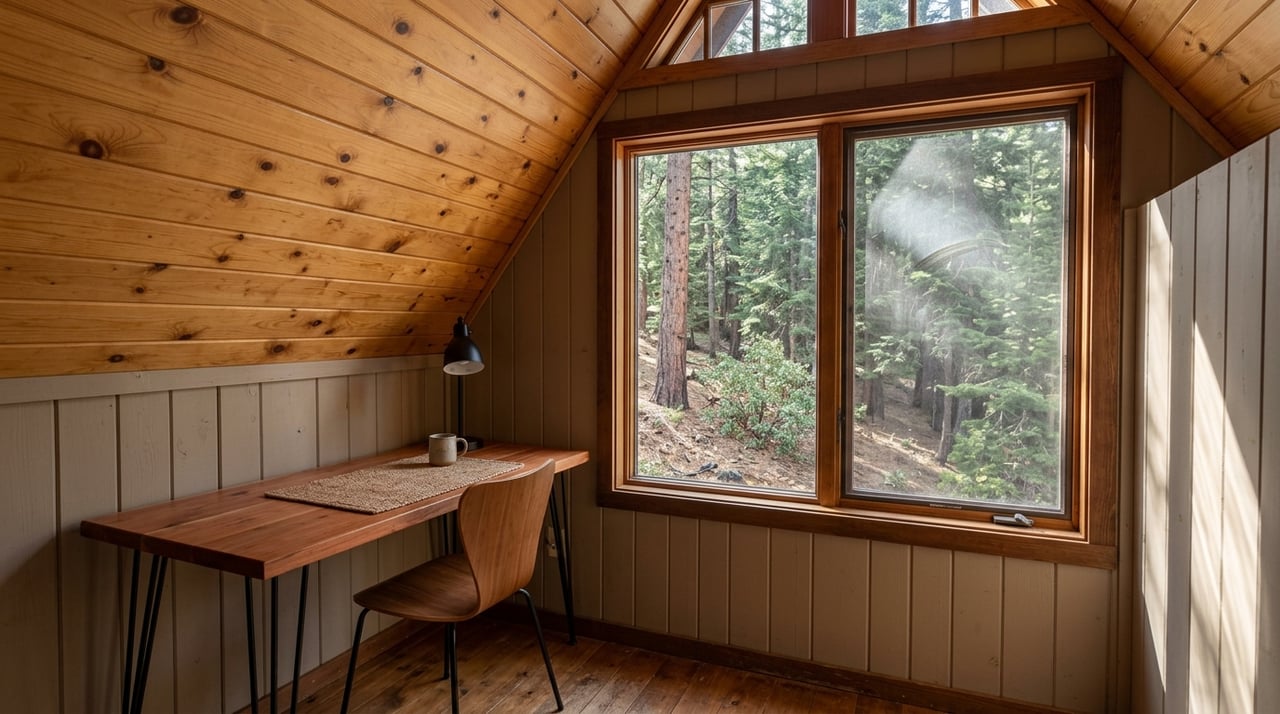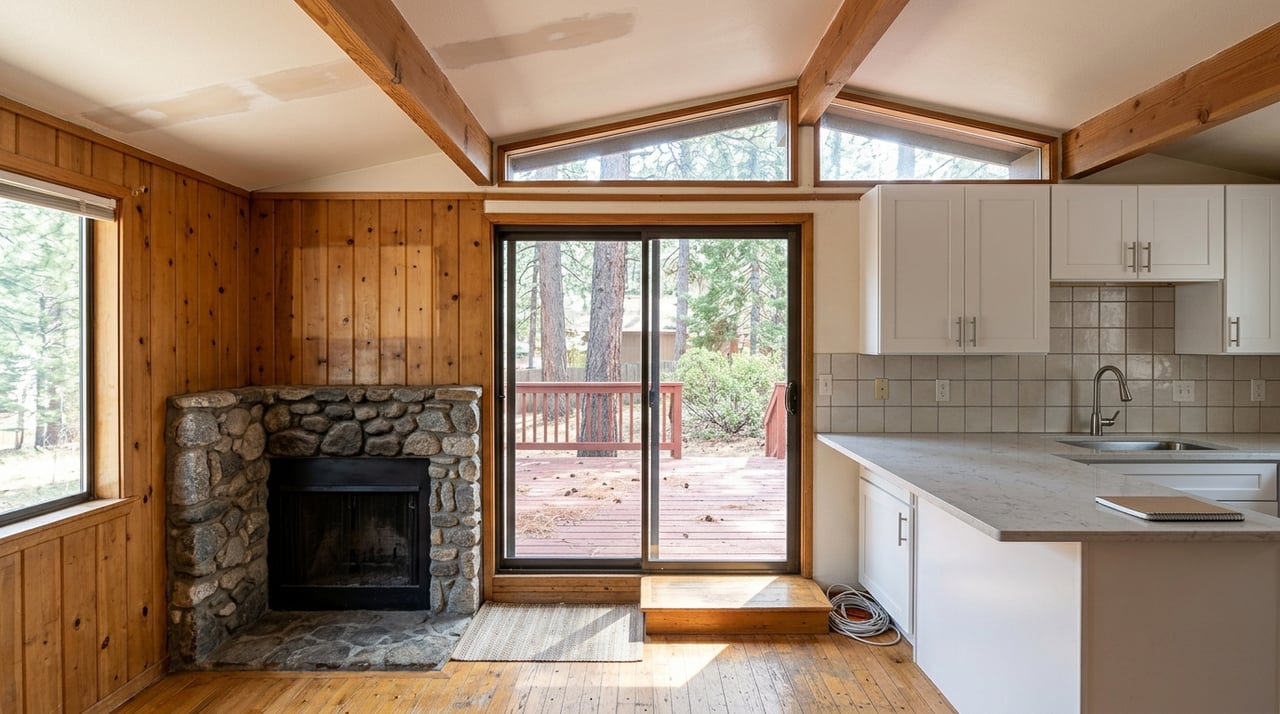
If you price your Crestline home like a generic before-and-after flip, you could leave money on the table or watch your listing sit. In a mountain market, buyers look closely at condition, utility setup, fire readiness, and whether updates feel solid and well-documented. The good news is that you do not need to guess. With the right comp strategy and a clear look at your home’s real condition, you can price more confidently and attract stronger offers. Let’s dive in.
Why Crestline Pricing Needs Context
Crestline market numbers can look different depending on the source, which is why broad averages should not drive your list price by themselves. Recent data shows a median sale price of $353,817 over the last three months ending April 2026 on Redfin, an average home value of $360,553 and median sale price of $378,333 on Zillow as of March 2026, and a March 2026 median sale price of $348,000 for ZIP code 92325 in the county and MLS report.
Those numbers are useful signals, but they are not interchangeable. They reflect different geographies and methods, so the best pricing decisions still start with the most comparable recent sales for your specific property.
Start With the Right Comps
In Crestline, comp selection matters more than a market headline. A cabin’s price can shift based on location, lot characteristics, utility setup, condition, and how updated the home feels compared with other nearby sales.
That matters even more because nearby mountain communities do not all trade in the same price range. In March 2026, county and MLS data showed Cedarpines Park at a median sale price of $248,000, Running Springs at $337,000, and Twin Peaks at $439,000. Even within the same broader mountain market, the spread is significant.
For you as a seller, the takeaway is simple: your home should be priced against the closest true alternatives, not against a broad regional average. That is especially true if your cabin has features that buyers in Crestline notice right away.
Understand Crestline Market Pace
Crestline is not a market where every listing automatically sells fast at any price. Redfin describes the market as somewhat competitive, with homes selling at about 98.0% of list price on average, a median of 101 days on market, and 27.8% of homes selling above list price over the last three months.
That means condition and presentation can create separation. A well-prepared home can still perform better than the average, but an overpriced home with visible issues may lose momentum while buyers compare it with other mountain options.
Mountain Features Buyers Price In
Fire Readiness Matters
In Crestline, fire readiness is not just a maintenance detail. San Bernardino County conducts annual defensible-space inspections in mountain communities and treats certain vegetation, roof litter, dead branches, and other fuels within 100 feet of a structure as fire hazards in the mountain area.
If your property shows clean gutters, managed brush, and visible defensible space, buyers may see a home that has been cared for with mountain conditions in mind. If they see overgrowth and debris, they may start thinking about cost, risk, and future work before they even step inside.
Utility Setup Affects Value
Utility type can shape pricing conversations more than many sellers expect. According to the Crestline Sanitation District, it serves about 10,000 residents with about 4,700 sewer connections, while the remainder use septic systems or holding tanks.
That does not make one home automatically better than another, but it does mean buyers often want clarity. California’s Transfer Disclosure Statement specifically contemplates items like public sewer, septic tank, central heating, patios or decking, and water supply, so known system type and condition should be part of your pricing strategy early.
Permit History Builds Confidence
Permit history can also affect how buyers view value. San Bernardino County states that a building permit is required to alter an existing building or structure, and plan review may confirm compliance with county fire, development, and building codes.
If your home has additions, major exterior changes, siding work, window replacements, or structural repairs, clear documentation can support buyer confidence. If the work appears undocumented, buyers may factor that uncertainty into their offer.
What to Fix Before You List
Not every project deserves your time or money before you sell. The smartest approach is to separate issues that hurt buyer confidence from updates that are mainly cosmetic.
A practical way to think about it is to sort your home into three buckets:
- Safety and compliance items
- Functional wear and deferred maintenance
- Cosmetic dating
Safety and compliance issues usually deserve the most attention because they can affect negotiations, timing, and financing.
Fix or Price In Heavily
Some issues tend to create the biggest pricing pressure in a sale. Based on inspection guidance and local mountain realities, sellers should pay close attention to:
- Roof leaks
- Drainage problems
- Electrical panel issues
- Plumbing leaks
- Rot or structural damage
- Wildfire clearance concerns
- Permit gaps
You do not always have to repair every issue, but these are the items most likely to trigger buyer hesitation or price reductions later. If you choose not to repair them, your list price should reflect that clearly.
Consider Smaller, High-Impact Updates
You may not need a full remodel to improve your result. The 2025 Remodeling Impact Report found that 46% of buyers are less willing to compromise on condition, and REALTORS most often recommend painting the entire home, painting one room, or replacing the roof before listing.
The same report also found stronger estimated resale payback from smaller or targeted projects, including:
- New steel front door at 100% estimated cost recovery
- Closet renovation at 83%
- New fiberglass front door at 80%
- New vinyl windows at 74%
- New wood windows at 71%
- Complete kitchen renovation at 60%
- Minor kitchen upgrade at 60%
For many Crestline sellers, that supports a practical strategy. Clean, visible improvements often help more than an expensive remodel that pushes beyond the local comp ceiling.
When It Makes Sense to Price Through Condition
Sometimes the right move is not to renovate. If your home’s likely value is already limited by size, location, layout, or broader condition, a major remodel may not return enough to justify the cost.
In those cases, it can be smarter to price through the issue instead. That means you acknowledge the home’s true condition up front, disclose known facts clearly, and let the price reflect what a buyer will likely need to do after closing.
This approach can be especially useful for dated kitchens, older finishes, and highly personal design choices. If the update is optional and the likely buyer may want their own style anyway, pricing realistically can be more effective than over-improving.
Use Pre-Listing Insight to Avoid Surprises
A pre-listing inspection can be helpful when you want fewer surprises during escrow. Inspection findings often become renegotiation points, and common issues include foundation movement, wiring, plumbing, HVAC, safety items, and drainage.
For a Crestline seller, that kind of early information can help you make better decisions before the home goes live. You can fix the issues that matter most, gather documentation, or set a price that already accounts for them.
This is where renovation-aware pricing becomes valuable. Instead of guessing what buyers might overlook, you make decisions based on the issues they are most likely to notice and discount.
A Simple Pricing Framework for Crestline Sellers
If you want a practical way to think about your list price, start here:
- Use recent solds first. Focus on sales that closely match your home’s location, utility setup, and condition.
- Separate issues by impact. Safety and compliance items deserve the most attention, functional wear should be priced realistically, and cosmetic dating may be handled through presentation and positioning.
- Treat fire readiness as value. In Crestline, defensible space and visible exterior upkeep send a strong message about maintenance.
- Match upgrades to the market ceiling. Smaller high-signal improvements often make more sense than a full remodel.
- Price the home you have. Do not price based on a hypothetical finished version unless the work is already done and supported.
The goal is not to chase a perfect number from a portal. The goal is to position your home honestly and competitively so buyers can see the value clearly.
Why Local Advice Matters in Crestline
Mountain homes ask different questions than many city properties. Buyers may look closely at slope, access, decks, older systems, defensible space, sewer versus septic or holding tank, and whether past updates appear properly handled.
That is why pricing in Crestline works best when it is local, practical, and renovation-aware. A pricing strategy grounded in nearby sales and real property condition usually creates a cleaner path than one built on broad averages or wishful math.
If you are thinking about selling, the best next step is often a clear walk-through of your home’s condition, features, and likely buyer concerns before you pick a price. For hands-on local guidance, connect with Rosemarie Labadie to schedule a free home consultation with local mountain experts.
FAQs
How should Crestline sellers price a home with outdated finishes?
- Start with recent comparable sales and decide whether the dated features are cosmetic or tied to larger functional issues. In many cases, cosmetic dating can be priced through more effectively than fully remodeled before listing.
What renovations add the most value for a Crestline home sale?
- Smaller, visible updates often make the most sense, such as paint, entry improvements, and selected window or roof-related work, especially when they align with local buyer expectations and nearby comp ceilings.
Why does fire readiness affect Crestline home pricing?
- San Bernardino County conducts annual defensible-space inspections in mountain communities, so brush clearance, roof cleanliness, and visible upkeep can influence how buyers view risk, maintenance, and value.
Does sewer or septic matter when selling a Crestline house?
- Yes. Utility setup can affect buyer expectations and should be discussed early because Crestline includes homes on sewer as well as homes using septic systems or holding tanks.
Should Crestline sellers get a pre-listing inspection before pricing?
- A pre-listing inspection can help you spot issues that buyers may raise later, giving you the chance to repair key items, gather documentation, or price the home with fewer surprises during escrow.