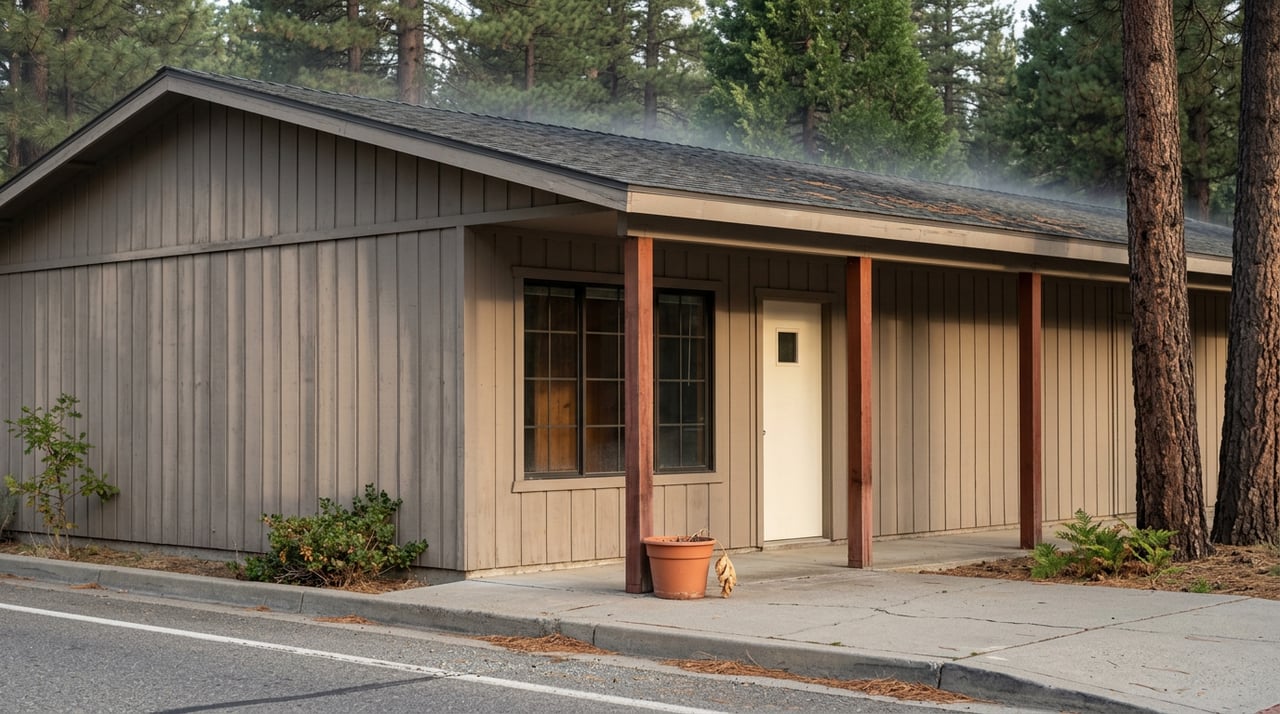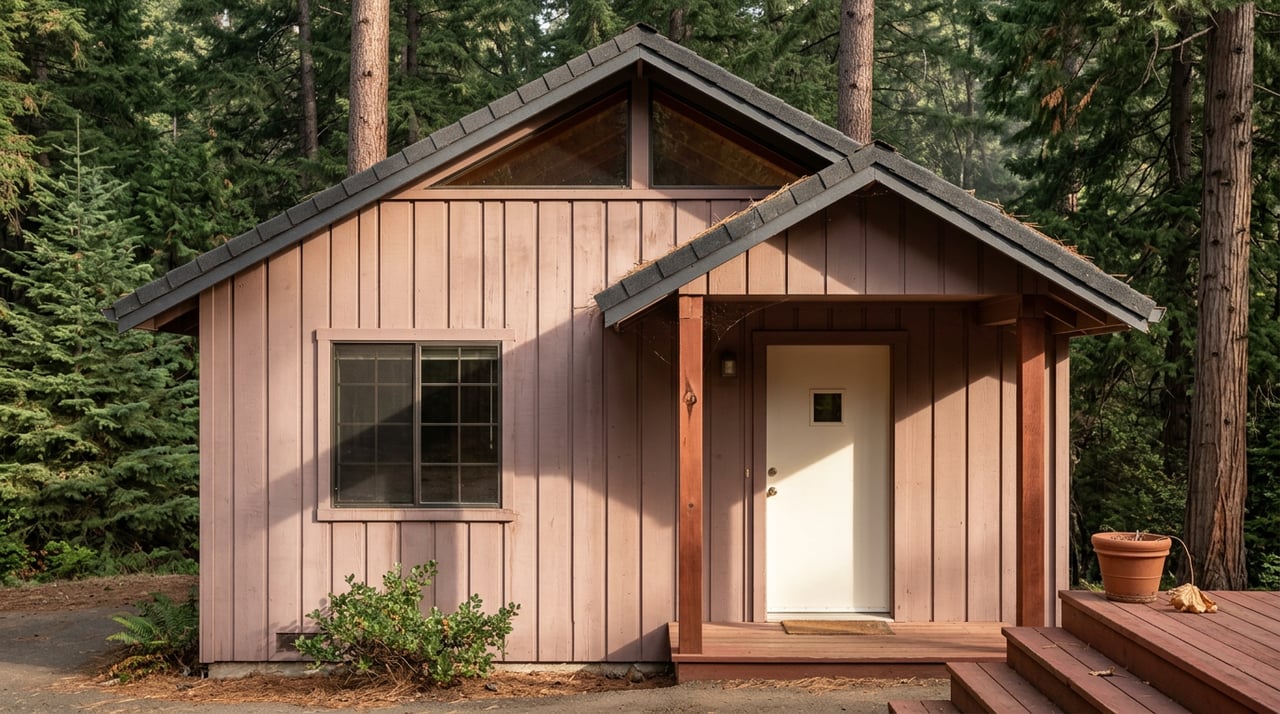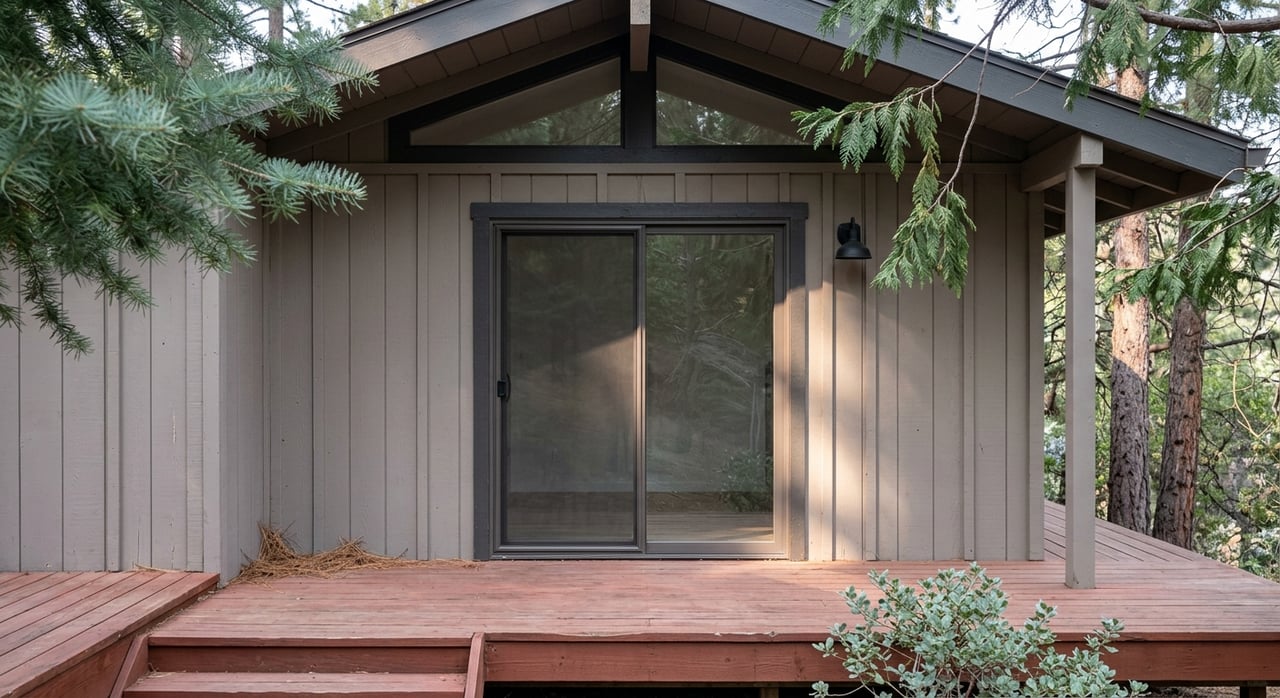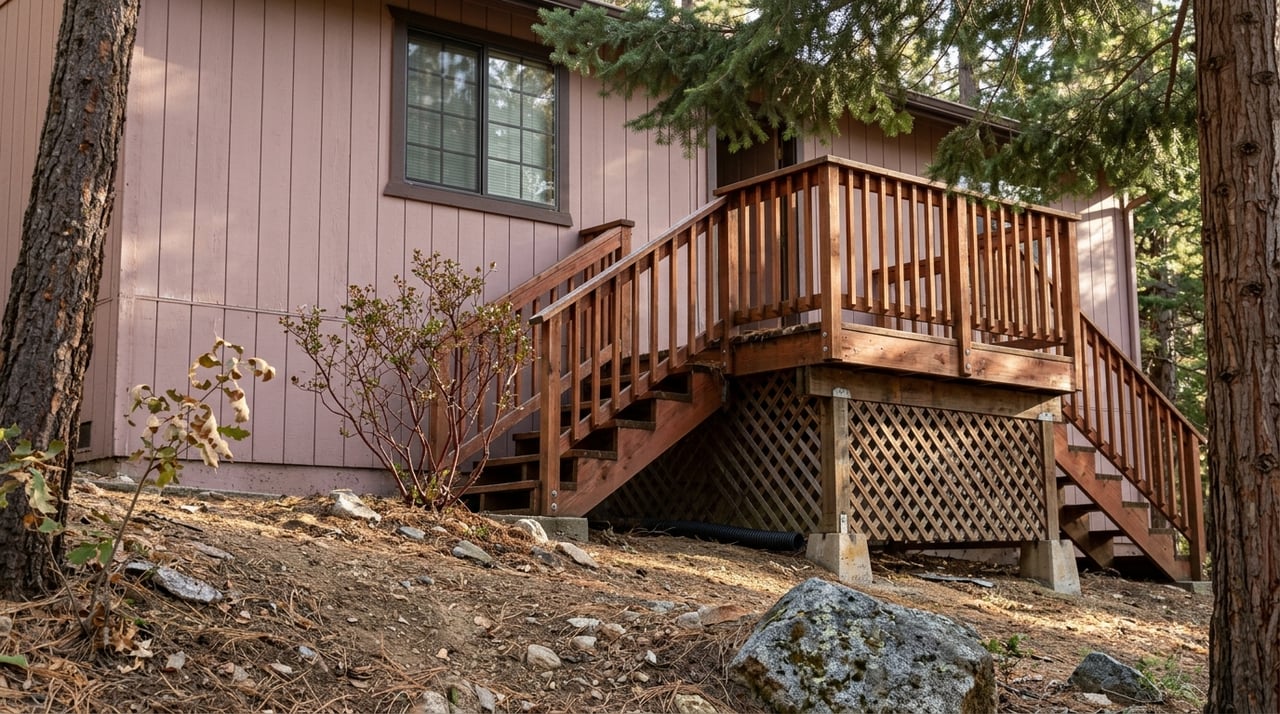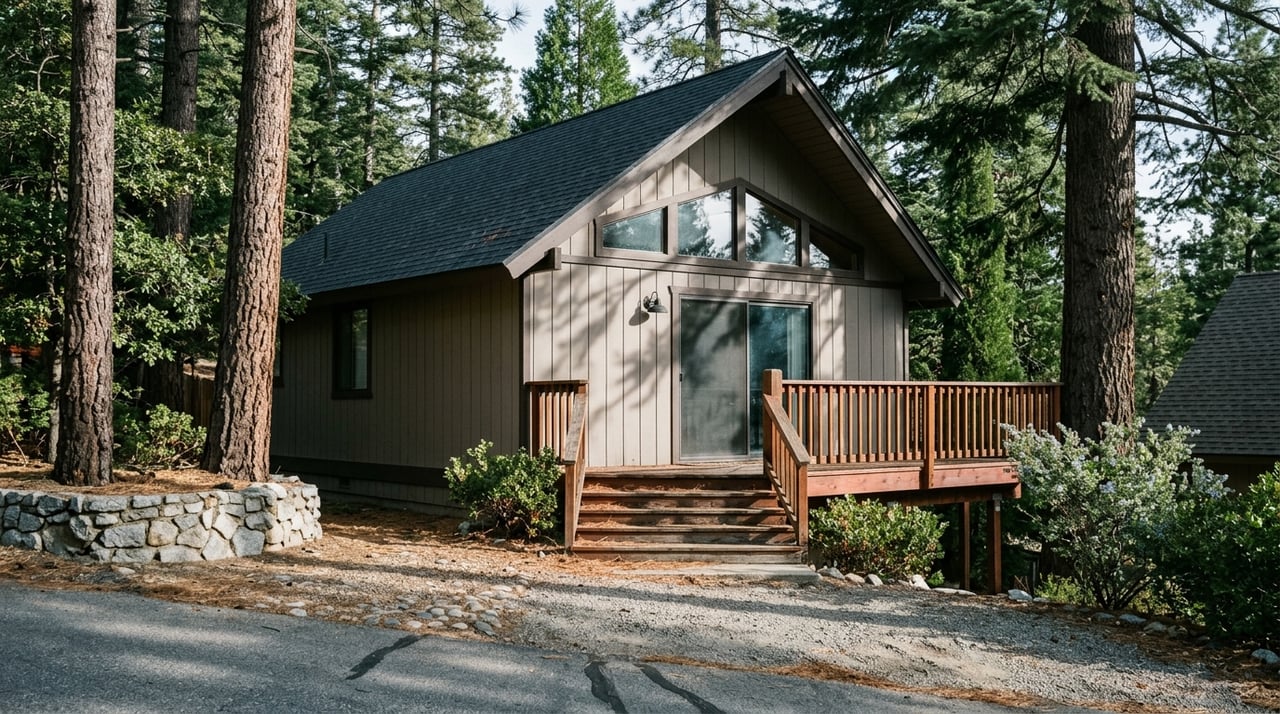
If you are wondering whether Twin Peaks feels like a getaway spot or a place you can truly settle into, the answer is a little of both. Everyday life here is shaped by mountain quiet, familiar faces, and practical routines that look different from life down the hill. If you are thinking about buying, selling, or simply getting to know the area better, this guide will help you picture what daily living in Twin Peaks really feels like. Let’s dive in.
Twin Peaks Feels Calm and Close-Knit
Twin Peaks is part of the Lake Arrowhead communities, where San Bernardino County describes daily life as tranquil, small-town, and rooted in the natural mountain environment. That shows up in the pace of the day, the setting around you, and the way neighbors tend to know and rely on one another.
You do not get the feeling of a dense town center with everything packed into one main strip. Instead, life tends to revolve around a few shared places, local routines, and the simple comfort of being surrounded by trees, mountain roads, and familiar community touchpoints.
Weekdays and Weekends Feel Different
One of the most important things to understand about Twin Peaks is that the rhythm changes depending on the day. Weekdays are often quieter and more local, while weekends and holidays can bring noticeably more activity to the mountain communities.
The local sheriff station notes that the broader patrol area population can swell to more than 85,000 on weekends and holidays. For full-time residents, that often means learning to enjoy the peaceful weekday baseline while also planning errands and outings around heavier visitor traffic during peak times.
Getting Around Twin Peaks
SR-189 Is Part of Daily Life
State Route 189 is one of the main roads that shapes how you move through Twin Peaks. County planning identifies it as the key local access route for residential areas in Twin Peaks and nearby Blue Jay, while State Route 18 is the broader route connecting the mountain area.
In practical terms, that means a lot of your regular movement starts with knowing the mountain road network and watching conditions closely. Even short drives can feel different here because curves, elevation, and weather all play a bigger role than they do in flatter communities.
Public Transit Exists, but Planning Matters
Mountain Transit helps connect the area to nearby communities. Route 2 links Crestline, Twin Peaks and Rimforest, and Lake Arrowhead, while Route 6 runs Monday through Friday between the mountain communities and San Bernardino, including the transit center and Santa Fe Depot.
That can be helpful if you want an alternative to driving, but most residents still plan carefully around schedules and mountain travel time. County planning also points to future goals for better shuttle, trolley, walking, hiking, and cycling connections, which shows that mobility remains an ongoing local focus.
Errands Are Simple, but Usually Small-Scale
Twin Peaks supports a practical, stop-as-you-go style of daily errands. The Crestline-Lake Arrowhead Water Agency vendor list includes Mountain High Market and 5 Points Shell in Twin Peaks, which gives you nearby options for basic supplies and quick stops.
For bigger grocery needs, many residents look to nearby stores such as the Stater Bros. in Lake Arrowhead. That pattern is common in mountain living. You often handle the basics close to home, then plan larger shopping trips with a little more intention.
The Farmers Market Adds a Weekly Rhythm
A nice local detail is the county-certified Twin Peaks Farmers Market at 26012 CA-189, held every Thursday from 2 to 7 p.m. year-round. In a community where daily life is spread across several small gathering points, a recurring market can become part of the weekly rhythm.
It is not just about produce or local goods. It also adds a regular moment when neighbors can cross paths, catch up, and feel connected to the local community in a simple, low-key way.
Public Services Stay Close to Home
One practical advantage of Twin Peaks is that some important county services are right in the community. San Bernardino County keeps both the Twin Peaks Assessor District Office and the Twin Peaks Building and Safety Office at 26010 State Highway 189, and the sheriff station is on the same corridor.
That means certain property, permitting, and public safety needs do not always require a trip down the mountain. For homeowners especially, that kind of convenience can make daily life feel more manageable.
Community Life Happens in Shared Spots
Twin Peaks does not depend on a single busy downtown to create a sense of community. Instead, social life tends to gather around a handful of shared places and recurring events.
The Twin Peaks Recreation Complex on Grandview Road is one of those places. Combined with the farmers market and the county’s description of active community service and neighbor support in the Lake Arrowhead communities, it helps paint a picture of local life that is steady, personal, and relationship-driven.
Neighbor Ties Matter Here
County planning notes that residents in these mountain communities depend on neighbors and are active in community service organizations. That matters because mountain living often works best when people stay aware, communicate, and help one another through changing weather, road conditions, and seasonal demands.
For many people, that is a big part of the appeal. Twin Peaks can feel more personal than larger suburban areas, with a stronger sense that people share the same environment and understand the same day-to-day realities.
Seasonal Living Is Part of the Experience
Winter Means Snow Planning
In Twin Peaks, snow is not just scenic. It affects driving, parking, and timing. CSA 70 R-22 maintains 2.03 miles of paved road in Twin Peaks and funds snow removal services, which gives the area a local framework for winter road response.
County snow guidance says plows begin on primary roads when snowfall reaches 2 inches or more. Full-width and secondary roads are completed after storms based on snowfall depth, and mountain street parking restrictions generally run from October 15 through April 15.
Caltrans also notes that chains may be required on mountain roads depending on conditions. In everyday terms, winter life in Twin Peaks means keeping an eye on forecasts, allowing extra travel time, and treating snow readiness as part of normal planning.
Fire Season Is Also Real
The other major seasonal reality is wildfire risk. The San Bernardino National Forest says the area is historically wildfire prone because of dry climate, flammable vegetation, steep slopes, Santa Ana winds, and year-round fuels reduction work.
County notices also show that prescribed burns can bring smoke into Twin Peaks at times. So while the setting is beautiful, daily life in the mountains includes staying aware of seasonal conditions and understanding that preparedness is part of responsible homeownership.
Twin Peaks Balances Nature and Routine
A lot of mountain communities look charming in photos, but Twin Peaks also has the pieces that support everyday living. You have road access through SR-189, transit connections, basic local stops, weekly market activity, community facilities, and nearby public offices.
At the same time, the natural setting still leads the experience. The trees, changing weather, and mountain pace are not just background scenery. They shape your routines, your planning, and the overall feel of living here.
What Buyers and Sellers Should Notice
If you are considering a move to Twin Peaks, it helps to think beyond the cabin appeal. Everyday life here is about how comfortable you feel with mountain roads, seasonal weather, smaller-scale errands, and a community rhythm that shifts between quiet weekdays and busier weekends.
If you own a home here and plan to sell, these same lifestyle details often matter to buyers. People are not just choosing square footage or a view. They are choosing a pattern of life, and Twin Peaks offers one that feels grounded, scenic, and distinctly mountain-oriented.
For many buyers, that is exactly the draw. For sellers, understanding how to frame that day-to-day experience clearly can make a real difference in how a home is positioned in the market.
If you want practical local guidance on buying, selling, or managing property in Twin Peaks, Rosemarie Labadie can help you make sense of mountain living with clear, hands-on insight.
FAQs
What is everyday life like in Twin Peaks, California?
- Everyday life in Twin Peaks tends to feel quiet, small-town, and nature-focused, with local routines shaped by mountain roads, neighbor connections, and seasonal weather.
How do residents get around Twin Peaks?
- Residents commonly use State Route 189 for local travel, connect through State Route 18 for broader mountain access, and can also use Mountain Transit routes that serve Twin Peaks and nearby communities.
Where do people shop for groceries in Twin Peaks?
- Twin Peaks has small-stop options for basic supplies, including Mountain High Market and 5 Points Shell, while larger grocery trips are often made to nearby Lake Arrowhead.
Does Twin Peaks have local community events or gathering places?
- Yes, community life is supported by places like the Twin Peaks Recreation Complex and the year-round Thursday Twin Peaks Farmers Market.
What should homeowners know about winter in Twin Peaks?
- Winter living in Twin Peaks often includes snow removal planning, seasonal parking restrictions from October 15 through April 15, and possible chain requirements on mountain roads depending on conditions.
What seasonal risks affect daily life in Twin Peaks?
- Snow and wildfire conditions are the two biggest seasonal factors, and both can affect travel, visibility, and routine planning throughout the year.