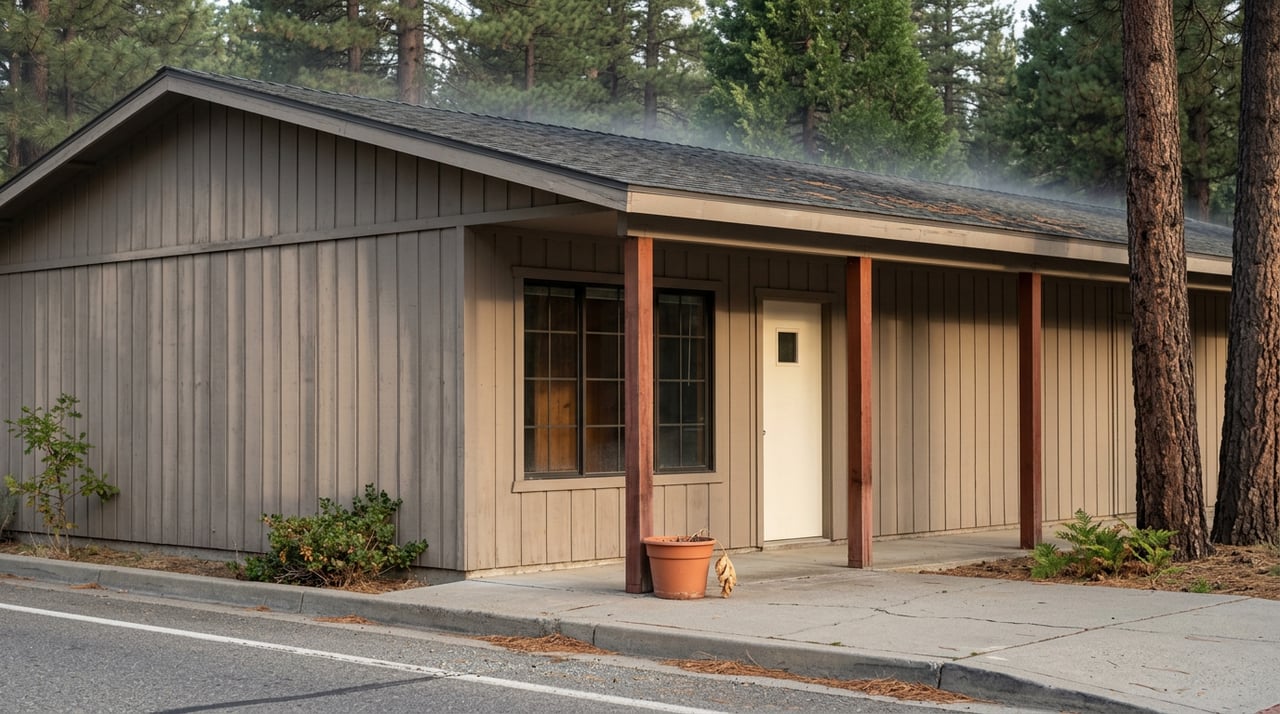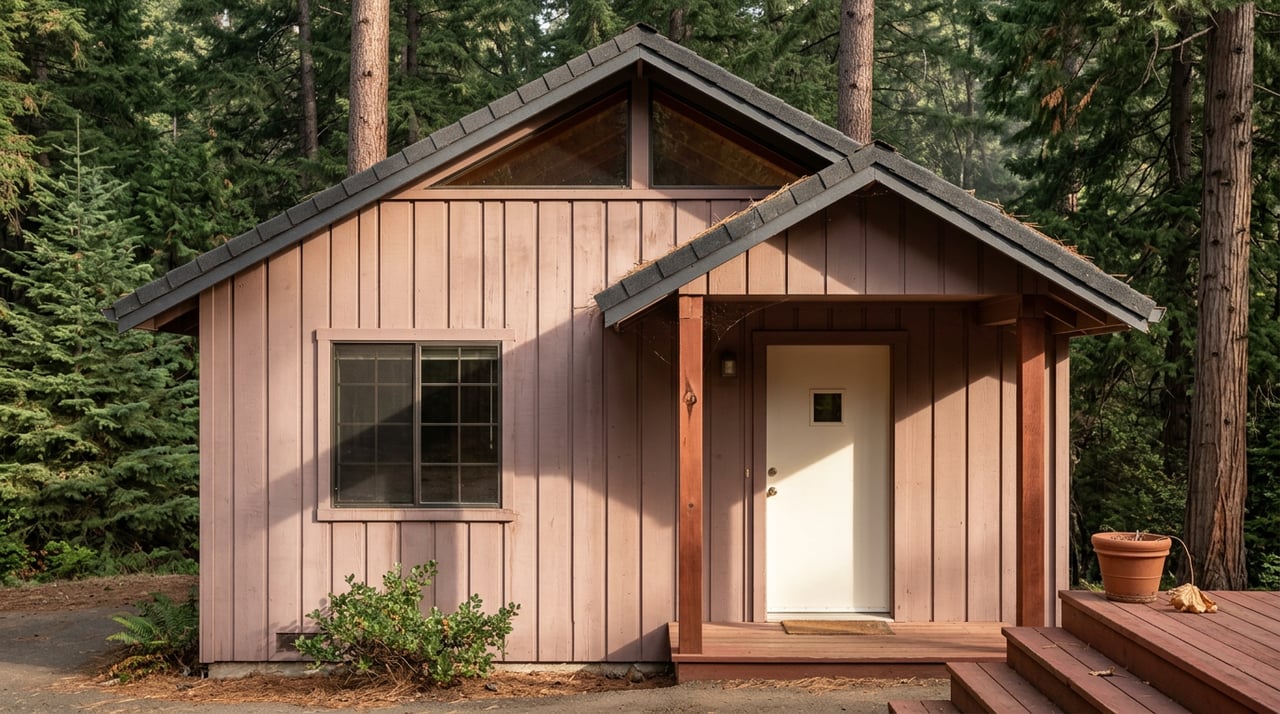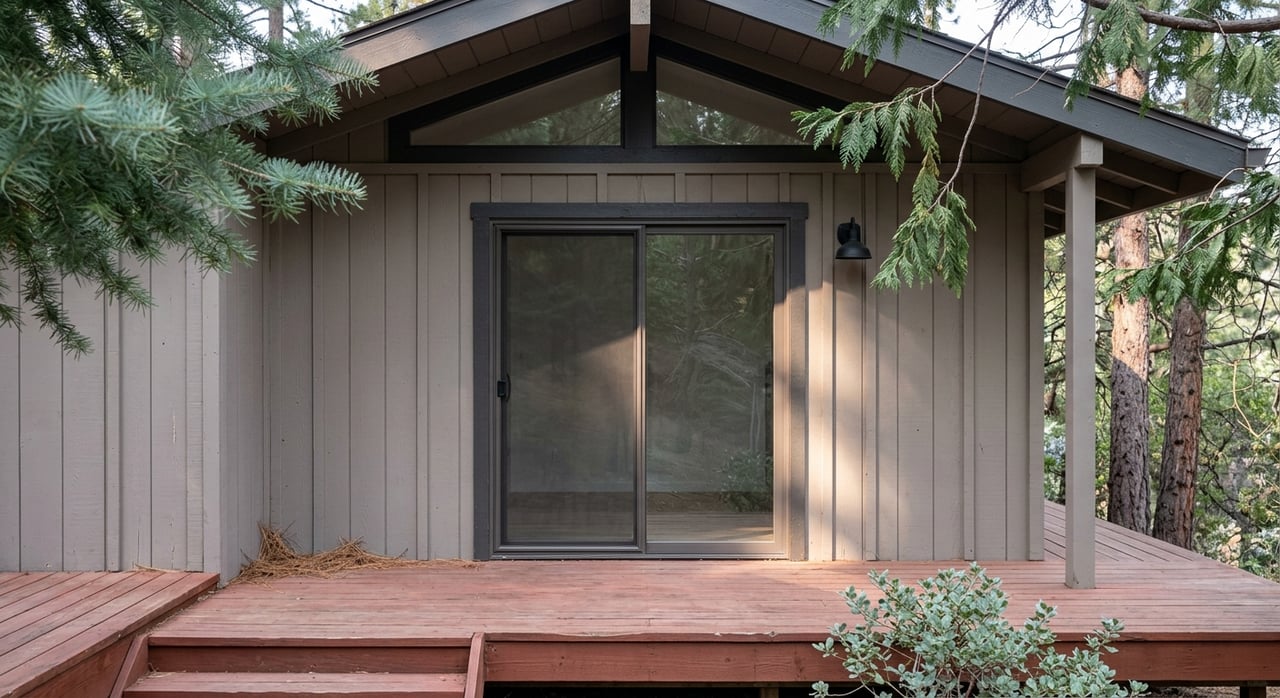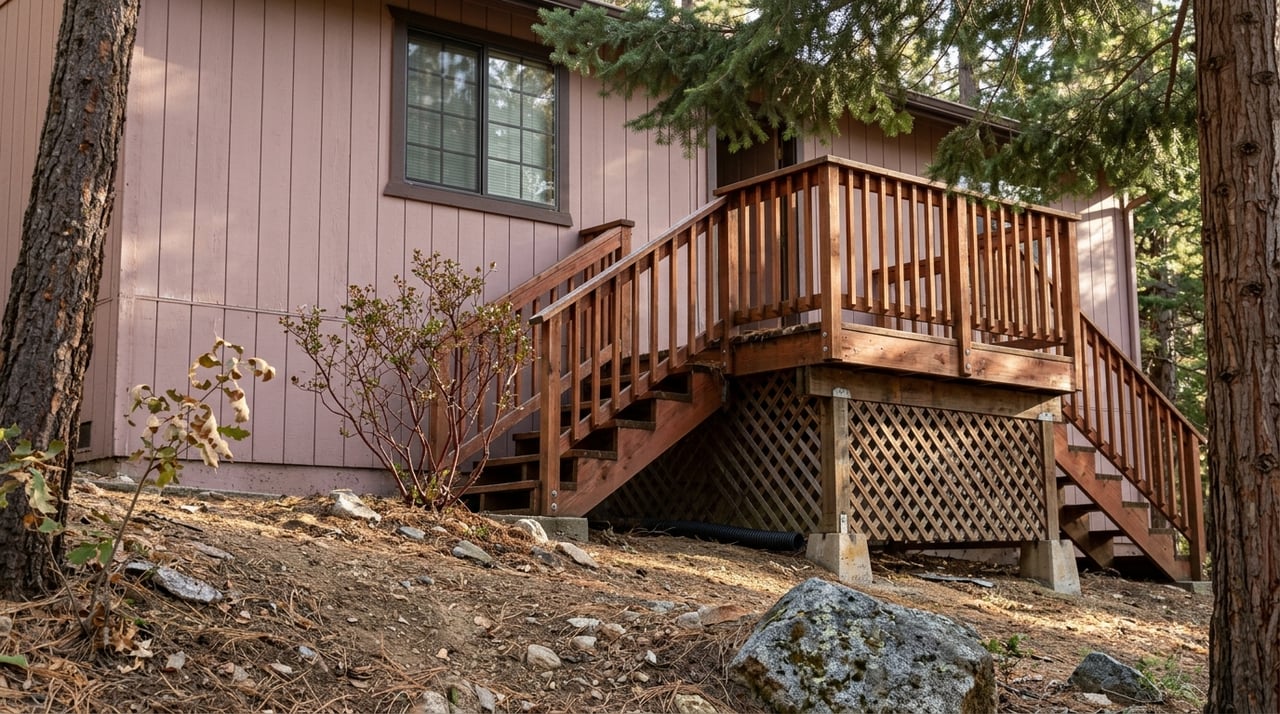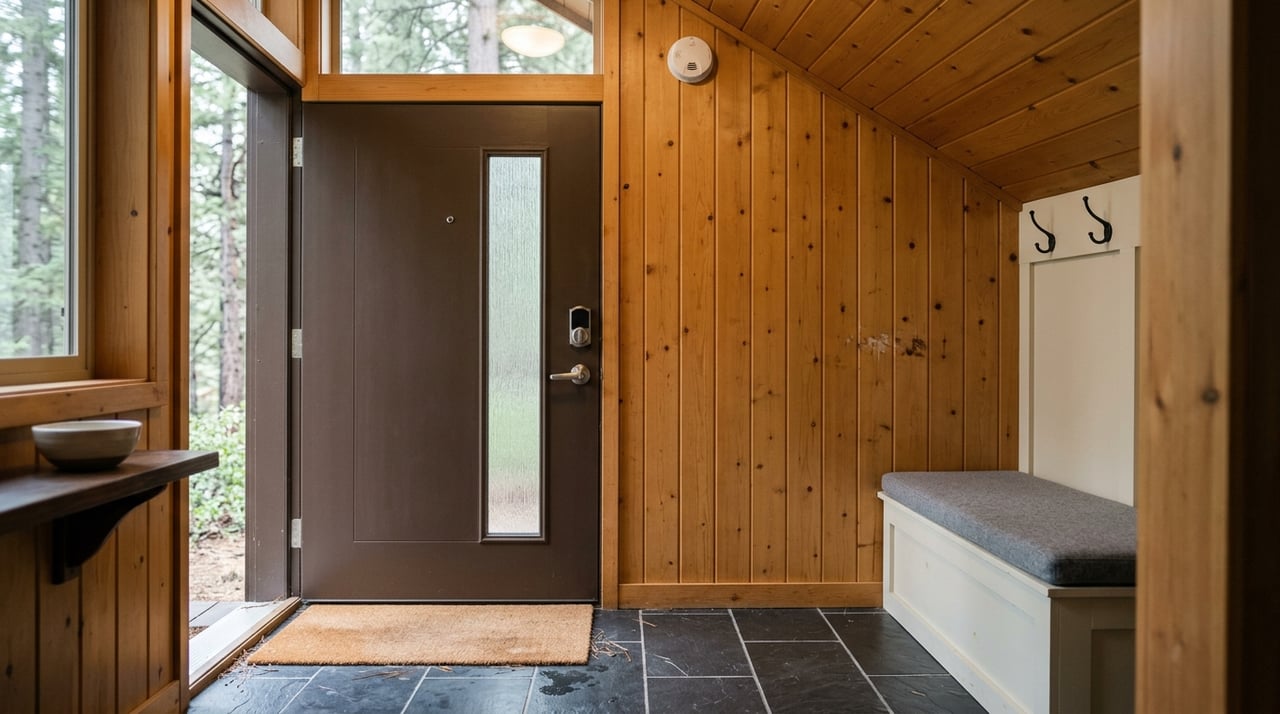
If you own a cabin in Twin Peaks, turning it into a long-term rental can look simple at first. Put it on the market, find a tenant, and collect rent, right? In reality, mountain rentals have a few extra moving parts, especially when you want the home to work well through snow season, fire season, and everyday wear. This guide will walk you through what to check, what the county requires, and how to set your cabin up for a smoother long-term rental experience. Let’s dive in.
Start With the County License
If you plan to rent your Twin Peaks cabin for 30 or more consecutive days within any consecutive 12-month period, San Bernardino County requires a Rental Dwelling Unit License. This is the main county-level requirement for a long-term rental in unincorporated areas like Twin Peaks.
That matters because some owners confuse long-term rental rules with short-term rental rules. In these mountain communities, rentals of 30 days or less fall under the county’s short-term rental permit structure, while longer rentals use the Rental Dwelling Unit License.
Before you market the property, confirm which category fits your plan. Getting that piece right early can save you time and avoid last-minute problems once you start showing the home.
Price the Cabin for Today’s Market
Twin Peaks is part of the Lake Arrowhead mountain communities, where homes are shaped by the natural setting, outdoor lifestyle, and small-town feel. Because of that, a cabin rental is often evaluated more like a mountain home than a standard apartment.
Current public listings point to a fairly tight rental market, but they also show a range. Apartments.com reports an average rent of $1,740 per month, Realtor.com reports a $2,200 median rent, and Zillow shows visible house rentals priced from about $1,995 to $2,800 per month.
For many clean, move-in-ready cabins, that suggests a practical target somewhere in the low-to-mid $2,000s. Smaller homes, less updated cabins, or properties with tougher access may land lower, while stronger condition and better usability may support more.
What Affects Rent Most
In Twin Peaks, rent is not just about square footage. Mountain-specific details can change how renters see value and how fast your home leases.
A few factors usually matter most:
- Year-round access and parking
- Heating reliability during winter
- Roof, gutter, and drainage condition
- General interior updates and move-in readiness
- Septic or sewer setup
- Outdoor maintenance and defensible space
If two cabins are priced similarly, the one that feels easier to live in through all four seasons often stands out faster.
Prepare the Cabin for Year-Round Living
One of the biggest mistakes owners make is preparing a Twin Peaks cabin like a vacation property instead of a full-time home. A long-term tenant needs consistent function in every season, not just charm on a sunny weekend.
Start with access. Twin Peaks sits in a forested mountain setting, and at least part of the area falls within a county road and snow-removal district. That makes driveway condition, parking layout, and snow responsibility important practical issues.
Check Access and Snow Readiness
Before listing the home, look closely at how a tenant will get in and out during winter weather. A steep or narrow driveway, limited parking, or unclear snow removal expectations can become a real problem after move-in.
Review these items first:
- Driveway condition and traction
- Number and usability of parking spaces
- Roof condition
- Gutters and drainage paths
- Walkways, stairs, and railings
- Heating performance before cold weather
If the cabin is hard to access or expensive to maintain in winter, your pricing and lease planning should reflect that.
Treat Fire Safety as Ongoing
Fire readiness is not a one-time cleanup project in Twin Peaks. CAL FIRE says 100 feet of defensible space is required by law, and San Bernardino County’s Fire Hazard Abatement program surveys properties, sends notices when hazards need correction, and gives owners 30 days to fix violations.
That means vegetation control, debris removal, and ongoing exterior upkeep should be part of your rental plan from day one. If you wait until summer to think about brush, pine needles, and clearance, you may already be behind.
Confirm Septic or Sewer Capacity
If your cabin is on septic rather than sewer, do not treat that as a minor detail. San Bernardino County Environmental Health says properties must connect to sewer when available or use an onsite wastewater treatment system, and some systems require inspections or ownership-transfer paperwork.
Before setting rent or occupancy expectations, confirm that the system can support the intended number of residents. It is also smart to gather any pumping records or inspection history so you have a clear picture of the system’s condition.
Build a Lease Around California Rules
A strong lease matters in any market, but it matters even more in a mountain rental where maintenance, access, and seasonal responsibilities need to be clear. Your lease should match the property’s real-world needs, not just use a generic template.
California law also sets important baseline rules for long-term rentals. Those rules affect notice periods, rent increases for covered properties, entry into the home, and security deposit handling.
Understand Notice and Tenancy Basics
In California, month-to-month tenancies generally require 30 days’ written notice. Once a tenant has occupied the property for a year or more, California Courts summarize that 60 days’ notice generally applies.
For properties covered by the Tenant Protection Act, just-cause termination protections begin after 12 months, and annual rent increases are capped at 5% plus CPI or 10%, whichever is lower. Some individually owned single-family homes may be exempt if they meet the ownership rules and the required exemption notice is given, so it is important to verify whether your cabin is covered before using that law as your default approach.
Follow Entry Notice Rules
Landlords cannot simply stop by because the property needs attention. California Civil Code requires reasonable written notice before entry, and 24 hours is presumed reasonable in most cases.
The notice should state the date, approximate time, and purpose of entry, and entry is generally limited to normal business hours except in emergencies. In a Twin Peaks rental, that becomes especially important when repairs, seasonal inspections, or vendor visits are part of normal upkeep.
Handle the Security Deposit Correctly
For most residential properties in California, the security deposit is capped at one month’s rent. After move-out, the landlord generally has 21 days to return the deposit or provide an itemized statement of deductions.
That timeline can sneak up on owners, especially if the property needs cleaning, trash removal, or repair work after a tenant leaves. Clear records and good turnover planning can make that process much easier.
Why Management Can Make a Big Difference
Owning a long-term rental in Twin Peaks is not only about collecting monthly rent. The administrative side can add up quickly, especially when you combine county licensing, California notice requirements, winter maintenance, and fire-season upkeep.
A good property management setup can help with:
- Tenant screening
- Rent collection
- Repair coordination
- Entry notices
- Lease renewals
- Winter and fire-season inspections
- Vendor scheduling
- Recordkeeping tied to county requirements
This is especially useful in a market with limited rental inventory. Public snapshots currently show only a small number of active Twin Peaks rentals, which means a well-prepared home can stand out, but neglect is also easier for renters to spot.
Focus on Livability, Not Just Maximum Rent
When inventory is limited, it is tempting to push pricing as high as possible. But in a small mountain market, presentation, maintenance, and responsiveness often matter just as much as the asking number.
A clean cabin with reliable heat, clear access, defensible space, and a solid lease setup is often in a better position than a higher-priced property with deferred maintenance. In other words, your best rental strategy is usually to make the cabin easy to live in, easy to maintain, and easy to show with confidence.
If you are turning a Twin Peaks cabin into a long-term rental, the smartest first steps are usually simple: confirm the county license requirement, check access and safety issues, verify septic or utilities, and price the home based on today’s visible market rather than guesswork. If you want local guidance on leasing, property management, or getting your mountain home rent-ready, Rosemarie Labadie can help you take the next step.
FAQs
Does a Twin Peaks long-term rental need a permit?
- Yes. In unincorporated San Bernardino County, a rental for 30 or more consecutive days requires a Rental Dwelling Unit License.
How much rent can you charge for a Twin Peaks cabin?
- Current public market snapshots suggest many move-in-ready cabins may fit in the low-to-mid $2,000s, with visible rentals ranging roughly from $1,995 to $2,800 and broader market data showing about $1,740 average rent and a $2,200 median rent.
What should you check before renting out a Twin Peaks cabin?
- Start with access and snow readiness, defensible space, heating, roof and drainage condition, septic or sewer capacity, utilities, and lease terms.
What fire safety rules matter for a Twin Peaks rental property?
- CAL FIRE says 100 feet of defensible space is required by law, and San Bernardino County may survey properties and require hazard abatement within 30 days if violations are found.
What are California entry notice rules for a long-term rental?
- California law generally requires reasonable written notice before entry, with 24 hours presumed reasonable, and the notice should include the date, approximate time, and purpose.
How much security deposit can a California landlord collect for a Twin Peaks rental?
- For most residential properties, the security deposit is capped at one month’s rent, and the landlord generally has 21 days after move-out to return it or send an itemized statement of deductions.