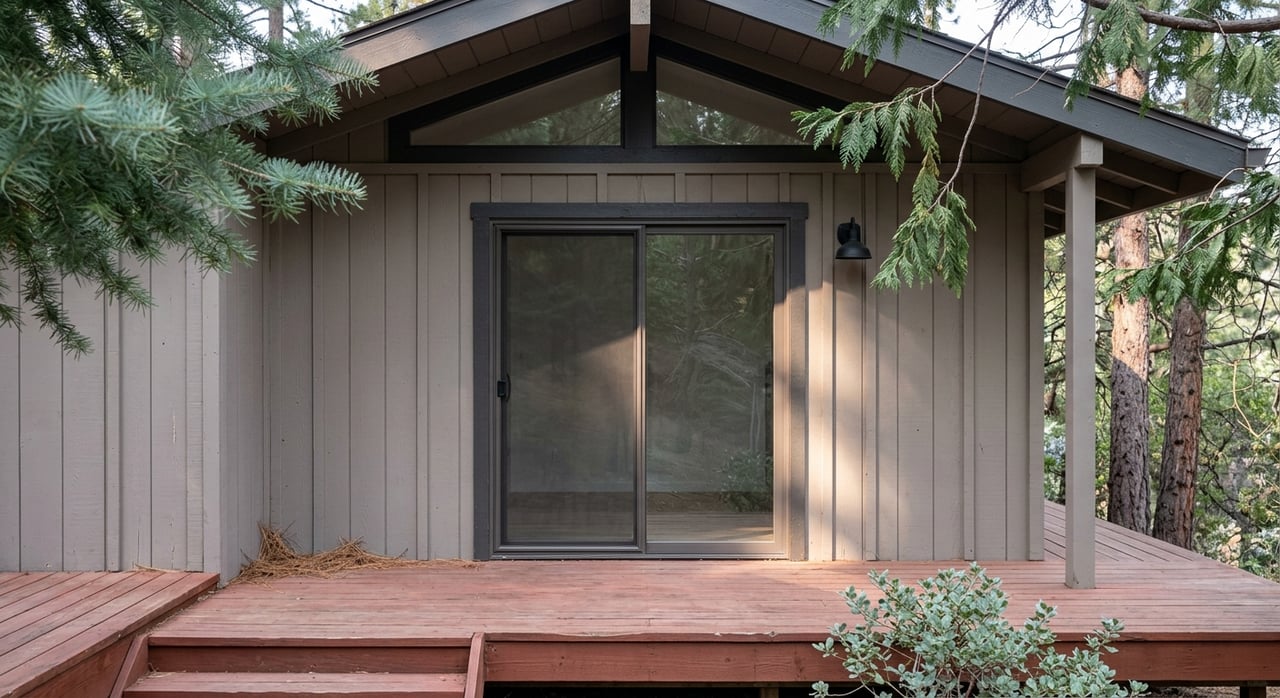
Selling a vacation home from a few hours away can feel simple at first, until the mountain details start piling up. If your Lake Arrowhead property has fire-zone disclosures, septic or sewer questions, HOA paperwork, or old permit records to track down, distance can slow everything down fast. The good news is that a remote sale can go smoothly when you know what to prepare early and who needs to be involved. Let’s dive in.
Why remote sales need more planning
Selling from afar is absolutely possible in Lake Arrowhead, but it usually takes more coordination than a typical local sale. That is because mountain properties often come with location-specific issues that affect disclosures, inspections, repairs, and timeline planning.
In Arrowhead Woods, water and sewer service may involve the Lake Arrowhead Community Services District, while properties without sewer access may also involve San Bernardino County Environmental Health Services for onsite wastewater systems or holding tanks. For you as an out-of-area owner, that means it is smart to gather utility records and county permit history before the home hits the market.
Start with your seller packet
A strong remote sale usually begins with a complete disclosure file. In California, the Real Estate Transfer Disclosure Statement covers the property’s physical condition and any known defects or hazards, and it is not a substitute for inspections.
The Natural Hazard Disclosure Statement is also a key part of the file. It addresses items such as flood zones, fire hazard zones, earthquake fault zones, and seismic hazard zones. If mapping is unclear, the form may require a conservative approach unless a qualifying expert report confirms otherwise.
For an out-of-area seller, using a third-party consultant for natural hazard disclosure materials can be especially helpful. It creates a cleaner process and helps you avoid chasing technical information from a distance.
Pull title early
A preliminary title report should be ordered as early as possible. It can reveal ownership issues, liens, or other encumbrances before your listing goes live.
When you are selling from afar, early title review can prevent last-minute surprises. It is one of the fastest ways to catch issues that could delay escrow later.
Gather renovation records
If you obtained title within the last 18 months, California disclosure rules may require more detail about contractor-performed work. Room additions, structural modifications, alterations, or repairs over $500 may need to be disclosed, along with contractor names and permit copies.
This matters for vacation-home owners who completed updates while living elsewhere. If your paperwork is scattered across emails, invoices, and text threads, it is worth organizing it before listing.
Check for lead-based paint rules
If your Lake Arrowhead home was built before 1978, federal lead-based paint disclosure rules may apply. That includes sharing known lead information before the sale and giving the buyer the opportunity to request an independent lead inspection.
Older cabins and mountain homes often fall into this category. If your property is older, it is wise to confirm what records you already have.
Verify fire-zone status before marketing
In Lake Arrowhead, fire-risk status is not a minor detail. It is one of the first things you should verify before photos, pricing, or marketing begin.
California seller disclosures now require notice of whether a property is in a high or very high fire hazard severity zone and whether it is in a state or local responsibility area. San Bernardino County also adopted an updated Fire Hazard Severity Zone ordinance on June 10, 2025, which makes parcel-specific verification especially important.
Know the extra disclosure rules
If your home was built before January 1, 2010 and is located in a high or very high fire hazard severity zone, you must provide an additional fire-hardening disclosure notice. That notice highlights common vulnerability points such as roof vents, untreated wood roof coverings, combustible materials near the home, single-pane windows, missing flashing or bird stopping, and gutters without noncombustible covers.
If you already have a final defensible-space inspection report, it should be included in your seller packet. Having that documentation ready can save time and reduce buyer concerns.
Defensible-space documentation matters
For properties in high or very high fire hazard severity zones, documentation showing compliance with defensible-space requirements is a major part of the transaction. If you have not obtained that documentation, the buyer and seller can agree in writing on who will obtain it.
For a remote owner, this is not something to leave until escrow. It is much easier to address early, while you still have time to coordinate cleanup or inspections.
Prep the home like a project
When you are not living nearby, pre-listing prep should be treated like a risk-reduction project, not just a quick tidy-up. In a mountain market, the goal is to identify problems that can affect value, disclosures, or buyer confidence before they become deal issues.
The most useful early inspections are usually the ones tied to common mountain-property trouble spots. That often means roof and exterior condition, drainage and water intrusion, and septic or wastewater issues if the home is not on sewer.
Focus on fire-hardening cleanup
CAL FIRE’s defensible-space guidance focuses on the first five feet around the home, the next 30 feet, and then out to 100 feet. Practical tasks include removing combustible mulch or bark near the structure, clearing debris from roofs and gutters, trimming branches near chimneys, and reducing dead vegetation and ladder fuels.
For you as a seller, that translates into straightforward pre-listing work:
- Clear pine needles and debris from decks
- Clean roofs, gutters, and eaves
- Trim overhanging branches near the structure
- Remove dead vegetation close to the home
- Make exterior areas look accessible, clean, and maintained
This kind of cleanup does more than support documentation. It also helps the property photograph better and gives buyers a stronger first impression.
Confirm septic or holding tank records
If the home uses septic or a holding tank, confirm the permit trail with San Bernardino County Environmental Health Services before escrow opens. The county regulates onsite wastewater treatment systems and holding tanks in unincorporated areas, and those rules can affect what documentation may be needed after closing.
This is especially important when a property has changed hands, been remodeled, or has older records that are hard to locate. A little early research can prevent big delays later.
Handle HOA items early
If your vacation home is part of a common-interest development, you will likely need to provide governing documents, current assessment and fee information, unpaid assessments or fines, unresolved violation notices, and a statement about any rental or leasing prohibition in the CC&Rs.
For remote sellers, HOA issues are much easier to resolve before the listing is active. Open violations, unpaid charges, or rental-rule questions can slow down escrow once a buyer is in the picture.
Create a local support system
Even when most of the transaction is handled digitally, remote sales still need on-the-ground help. A local team can make the process much smoother by coordinating vendor access, opening the property for inspections, checking repair progress, and confirming the home stays show-ready.
That matters in California because the buyer-side inspection process includes visual review of the property. A clean, accessible home supports a smoother showing experience and reduces the chance that easily visible problems become bigger concerns.
Use a shared digital file
A shared digital folder can keep the sale organized from start to finish. It can hold your disclosure forms, title report, permits, inspection reports, contractor invoices, HOA documents, and fire-compliance paperwork.
For an absent owner, this kind of system is practical and efficient. It supports a workflow built around scanned documents, photo logs, and regular updates instead of paper handoffs.
Plan ahead for notarization
California notary rules still require personal appearance before a notary public. The state’s general remote online notarization system is not yet operative until the technology project is certified or January 1, 2030, whichever comes first.
That means you should build in extra time for documents that require notarization. Even if most of your sale is handled electronically, some final steps may still require in-person signing.
What matters most for a smooth sale
If you are selling a Lake Arrowhead vacation home from afar, the biggest time-savers usually come down to early verification and local coordination. The items most likely to affect your timeline are often the same ones buyers will ask about first.
Here are the top priorities to line up before listing:
- Fire-zone verification
- Defensible-space documentation
- Septic or sewer status
- HOA documents, if applicable
- Renovation records and permits
- Lead-based paint disclosure for older homes
- Preliminary title review
When these pieces are handled early, the sale tends to feel less reactive and more controlled. That is especially valuable when you are managing everything from outside the mountain area.
If you are preparing to sell from a distance, working with a local, hands-on brokerage can help you stay ahead of the details that matter most in Lake Arrowhead. Rosemarie Labadie offers practical mountain-market guidance, pre-listing support, and steady local coordination to help you move from prep to closing with more confidence.
FAQs
Can you sell a Lake Arrowhead vacation home without living nearby?
- Yes. A remote sale is very possible, and it usually goes more smoothly when you have local help coordinating inspections, vendor access, disclosures, and notarization.
What disclosures matter most when selling a Lake Arrowhead home from afar?
- The key items often include the Transfer Disclosure Statement, Natural Hazard Disclosure Statement, fire-zone and defensible-space documentation, HOA documents if applicable, and lead-based paint disclosure for homes built before 1978.
What should you verify first for a Lake Arrowhead remote sale?
- Start with parcel-specific fire-zone status, septic or sewer information, preliminary title, and any permit or renovation records that may be needed for disclosure.
Do Lake Arrowhead sellers need fire-hardening paperwork?
- If the property is in a high or very high fire hazard severity zone, you may need defensible-space documentation, and if the home was built before January 1, 2010, you may also need the additional fire-hardening disclosure notice.
What if your Lake Arrowhead vacation home has a septic system or holding tank?
- You should confirm the permit history and system status with San Bernardino County Environmental Health Services before escrow opens, since onsite wastewater rules can affect the transaction timeline.
Can you sign Lake Arrowhead sale documents online from another city or state?
- Many parts of the transaction can be handled electronically, but California still requires personal appearance before a notary for documents that need notarization, so extra planning time is wise.