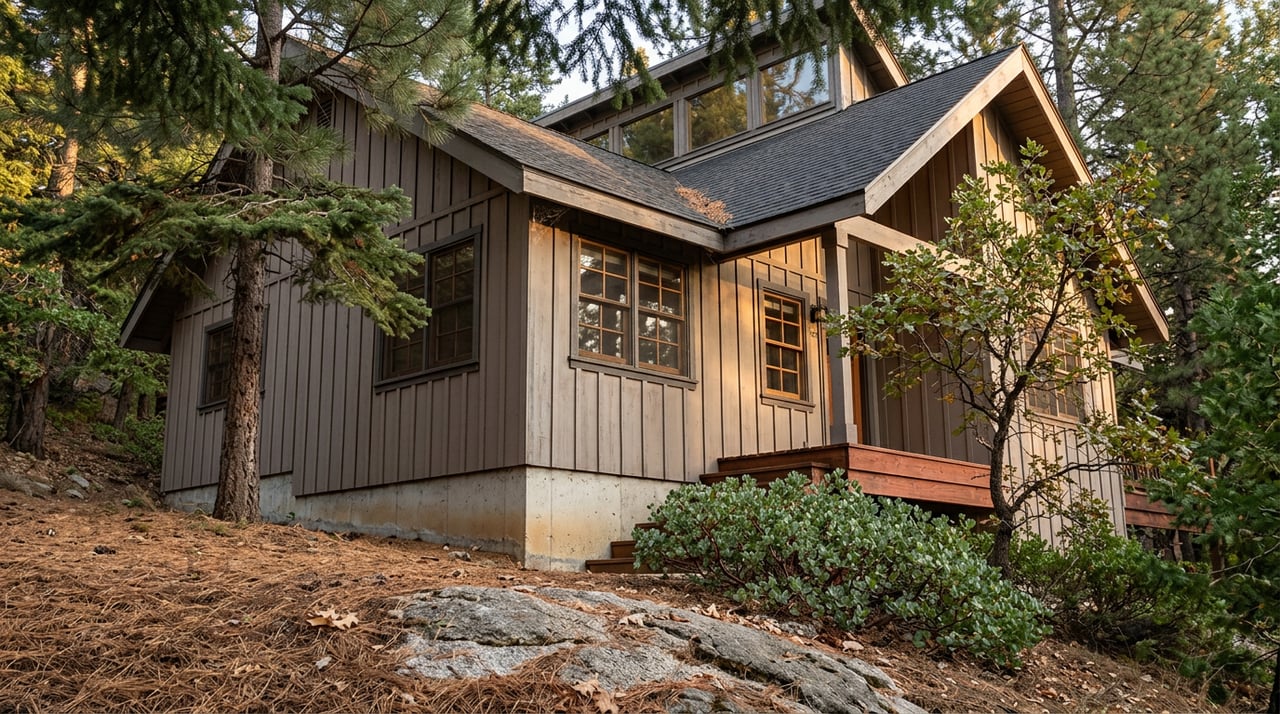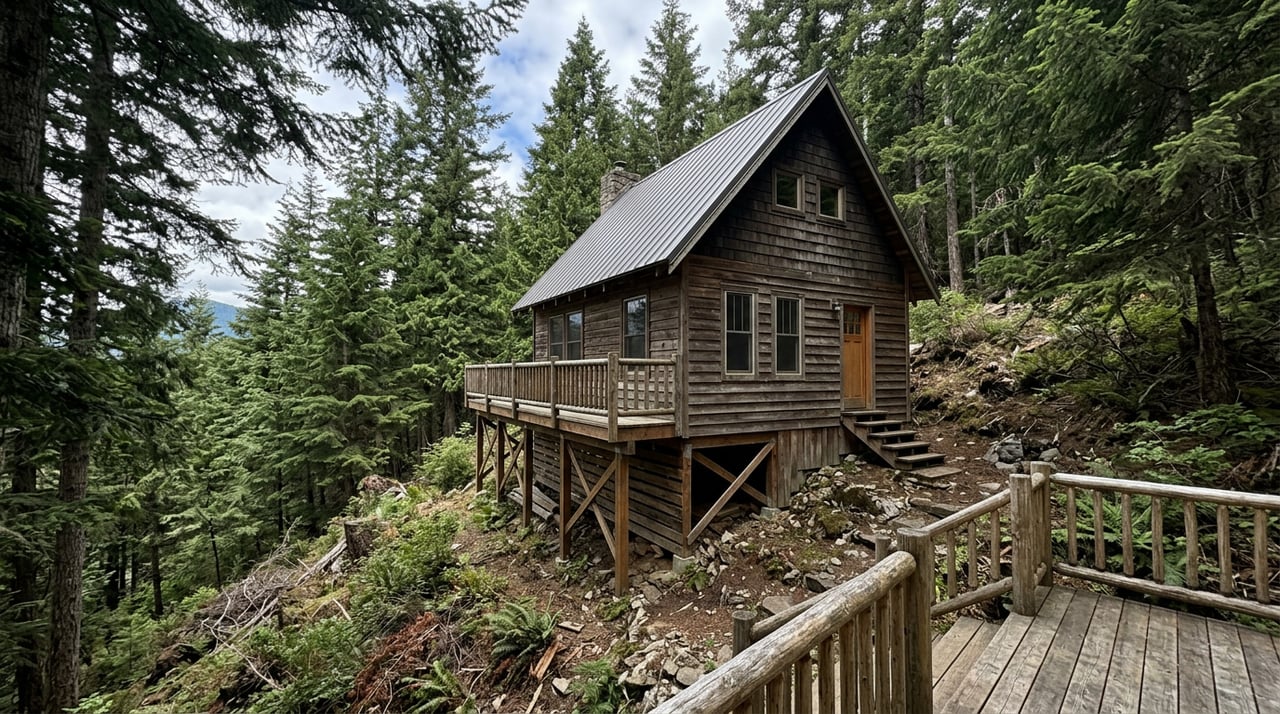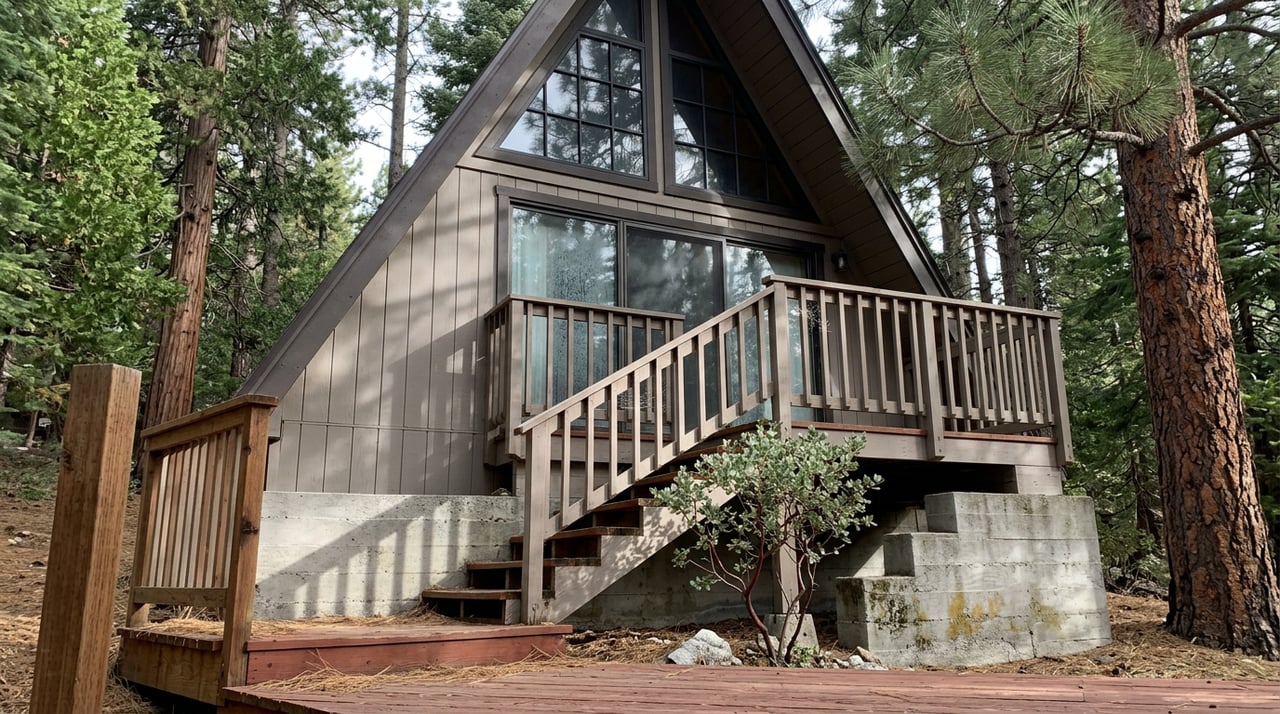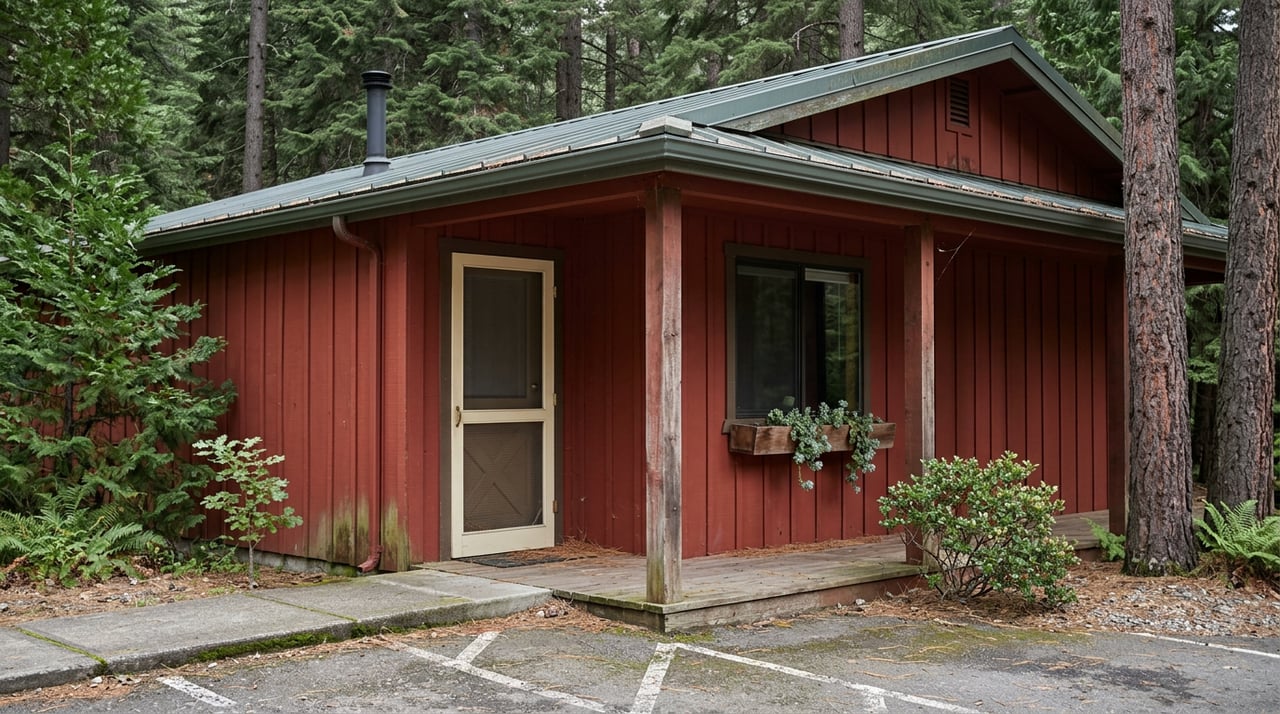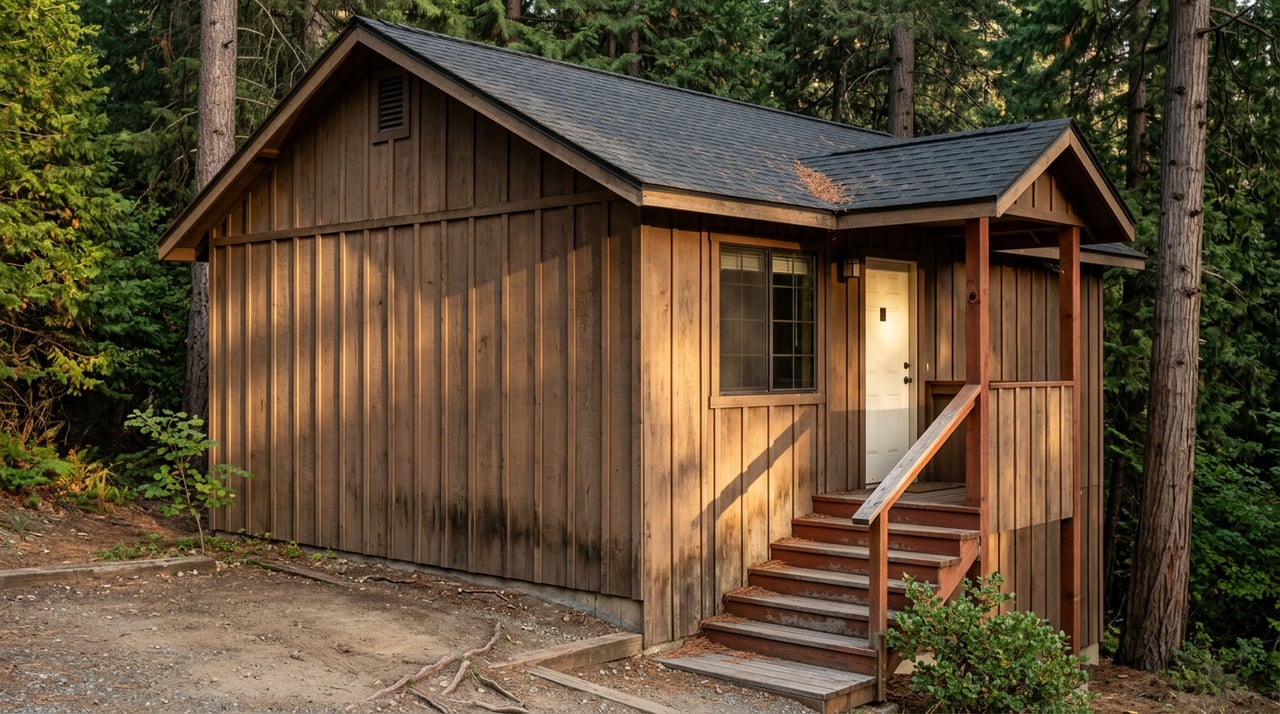
A three-bedroom cabin on Ocean View sold in Running Springs this year for $425,000, a tidy 1,894 square feet that moved through escrow without much drama. A few streets over, a similar cabin can sit on the market for a season with no offers, no price drama, just time passing. Buyers scrolling the portals see one median number and one days-on-market number for the whole town and assume they're looking at a single market. They aren't. Running Springs is a handful of small subdivisions stitched together along Highway 18, and which one you're looking at determines how long your escrow is going to take almost as much as the price does.
That distinction matters more this year than it has in a while, because the headline numbers on Running Springs right now look contradictory if you don't know where to look.
The Number Everyone Quotes
Home values in Running Springs have barely moved. As of this summer, Zillow's home value index puts the typical home there at $377,831, down just 1.3 percent over the trailing year. That's not a market in retreat. That's a market holding roughly flat, the kind of number that would normally suggest business as usual.
The Number Nobody Explains
Here's the part that doesn't square with a flat market. In the most recent full year-over-year comparison Redfin has published, covering the twelve months through September 2025, homes in Running Springs sold after an average of 119 days on market, up from 35 days the year before. That's not a modest slowdown. That's more than a tripling of the time it takes to get a home from listed to sold, while the price barely moved.
A market that's cooling shows up as falling prices and shrinking sale counts. This isn't that. Nineteen homes sold that September, up from fourteen the year before, so more deals are closing, not fewer. Prices are steady. Something else is stretching the timeline.
A flat price and a tripled days-on-market number aren't two symptoms of the same problem. They're evidence of two different things happening at once.
That something is financing friction, and it isn't evenly distributed across town.
Running Springs Is Not One Market
The MLS doesn't file Running Springs as a single area. It's broken into named pockets, each with its own designation: Running Springs proper, Arrowbear, Lower Rowco, Smiley Park, Luring Pines, Nordic, Upper Rowco, Enchanted Forest, and Rimwood Ranch. Locals already think this way, even if they've never seen the MLS codes. A cabin in Arrowbear and a cabin in Smiley Park can be five minutes apart and sit on completely different utility infrastructure, and that difference is exactly what a national portal's citywide average erases.
Where The Sewer Line Ends
The Running Springs Water District runs both the water system and the wastewater system for the community, and its own rate-setting record shows it also receives wastewater from Arrowbear and CSA 79 under a separate rate methodology. That single administrative detail tells you something useful: sewer service reaches into some outlying pockets through inter-district agreements, but it doesn't reach everywhere. Plenty of older cabins in the outer subdivisions were built on private septic systems and private wells long before any sewer line got close, and many of them still are.
That split, sewer-served here, septic-and-well there, is the fault line running through this year's days-on-market number. It's invisible on a portal listing. It is not invisible in escrow.
What A Septic Inspection Actually Adds To Your Timeline
If you're financing a well-and-septic property in Running Springs with a USDA, FHA, or VA loan, you're not just buying a cabin. You're buying a set of underwriting steps that a sewer-connected buyer down the street never sees:
- Well water testing, which runs $150 to $300 and takes three to five days to come back with results the lender can act on.
- Septic inspection, typically $300 to $500, to confirm the system is functional and meets county health standards before the loan can close.
- If either test fails, repair or replacement, which can run anywhere from $5,000 for a minor fix to $25,000 for a full system replacement, and adds one to two weeks to the timeline while the work gets done and re-inspected.
- A rural appraisal with thin comparable sales, since fewer similar properties have sold nearby in the past year, which on its own can add another one to two weeks before the appraiser can support a value.
None of these steps are optional and none of them move fast. A buyer on a sewer-connected lot in the Rusg core skips all four. A buyer on a septic lot in one of the outlying pockets budgets for all of them, and that difference alone can stretch an otherwise normal 30-day escrow into 60 or 90 days before anyone's even talking about price.
There's a financing wrinkle worth knowing if you're eyeing a larger parcel too. Lenders get more cautious as acreage and land value increase relative to the structure, and rural land-heavy purchases in California often call for a larger down payment, in the range of 20 to 30 percent, precisely because comparable sales are harder to find and the collateral is harder to standardize. If you're planning to buy land with a cabin already on it rather than a straightforward single-family lot, that's a conversation to have with a lender early, not during underwriting.
Reading The Slowdown Correctly
Put the pieces together and the citywide days-on-market number stops looking like a demand story and starts looking like a blended average. Sewer-connected homes in the core of town are probably still moving in something closer to that old 35-day pace. Well-and-septic homes in the outlying subdivisions are the ones absorbing most of the added time, sometimes doubling or tripling their own escrow length for reasons that have nothing to do with how much a buyer wants the house.
That's a useful thing to know whether you're buying, selling, or holding a rental here. A seller with a septic property whose home has been listed for ten weeks isn't necessarily overpriced. A buyer comparing two similar listings, one at 90 days on market and one at 20, isn't necessarily looking at a red flag on the slower one. In both cases, the utility hookup underneath the house is doing more explanatory work than the sale price is.
What This Means Depending On Where You Sit
If you're a regional buyer looking for a weekend place, ask early which subdivision you're in and whether the home is on district sewer or private septic. It changes your realistic closing timeline more than almost any other single fact about the property.
If you're selling a septic-and-well cabin, pricing it fairly won't shorten the inspection and appraisal steps a buyer's lender requires. What helps is having a recent septic inspection and water test on hand before you list, so a buyer's lender isn't starting that clock from zero.
If you're buying for rental income, budget the extra escrow time into your projections. A property that takes an additional month to close is a month of lost booking revenue if you were planning to have it rent-ready by a certain date.
A Few Questions Worth Asking Before You Write An Offer
Is the property on Running Springs Water District sewer or on a private septic system? The district serves the core of town and, through agreement, Arrowbear and CSA 79. Outlying pockets and older cabins are more likely to be on private systems, but the only way to know for a specific address is to ask the seller or check with the district directly.
How much extra time should I plan for if it's well-and-septic? Budget at least one to two additional weeks beyond a standard escrow for testing alone, and more if either the well or the septic system needs work before it will pass.
Does a longer days-on-market number mean I can negotiate harder on price? Not automatically. If the home has been sitting because of financing logistics rather than a lack of buyer interest, the seller may have already had an accepted offer fall through in underwriting rather than sat unwanted the whole time.
Running Springs isn't slowing down because fewer people want to live there. It's slowing down because a meaningful share of its housing stock runs on infrastructure that takes longer to finance, and that fact never shows up in a citywide average. Knowing which subdivision you're standing in tells you more about your timeline than the median price ever will.
If you're weighing a purchase, a sale, or a rental in Running Springs and want someone who can tell you which side of that sewer line a specific address falls on, Crestline Real Estate has spent years working these mountain pockets one cabin at a time. Schedule a free home consultation with our local mountain experts and we'll walk the specifics with you before you write an offer or list a listing.